When Kai Cenat turned a mansion into a makeshift college campus, the internet paid attention. Streamer University was a multi-day creator collaboration that reimagined what streaming could look like. The venue was retrofitted with dorm-style living spaces and hosted scheduled classes, round-the-clock streaming, unstructured hangouts, and competitive challenges. Millions of viewers tuned in across multiple simultaneous Twitch feeds as the experiment went viral.
Kai Cenat, a highly influential streamer, conceptualized and hosted the whole production. Known for high-energy content and ambitious scale, he built something that blended entertainment with a social experiment.
Peter from By Solopreneurs sits down with Kai to explore what drove the idea, how it came together, and where it might go next. The conversation covers the origin of the university concept, the mechanics of managing dozens of creators under one roof, the criticism, the viral moments, and the long-term thinking behind a project that felt chaotic and deliberate.
On this page
- The Origin Story: How Did Streamer University Start?
- Inside the Streamer University Curriculum and Structure
- Who Made the Cut? Selecting the Inaugural Class
- The Cultural Impact and Viral Momentum of Streamer University
- Multi-Stream Chaos: Planned Activities vs. Spontaneous Moments
- Addressing Critics: The Established Creator Debate and Other Controversies
- How Participants Took Ownership and Shaped the Experience
- The Future Vision: What’s Next for Streamer University and Kai Cenat
The Origin Story: How Did Streamer University Start?
Peter from By Solopreneurs: Let’s go back to the beginning. Where did the idea for Streamer University actually come from?
Kai Cenat: Man, it hit me early 2025. I was sitting there thinking about my own life. I never had that traditional college experience. Never moved into a dorm, never had a roommate, never walked across campus to a class. And I started wondering: what if I built that experience, but for streaming? What if instead of sending kids to a lecture hall, I put creators in a house together and let the whole thing play out live?
Peter from By Solopreneurs: So the university framework was more than a gimmick. You actually studied how real campuses work?
Kai Cenat: Hundred percent. I looked at real university dynamics. The dorms, the class schedules, the majors, that whole organic social fabric you get when you throw a bunch of people into a shared environment. You got the people who wake up early for breakfast, the ones who stay up all night, the cliques that form, the rivalries. That’s real. I wanted to capture that energy and put it on stream.
Peter from By Solopreneurs: What was the core motivation behind bringing so many creators together under one roof?
Kai Cenat: Solo streaming gets lonely. You’re in your room, talking to a camera, and that’s your whole world for hours. I wanted to break that isolation. Put creators in a continuous, shared physical space where they can bounce off each other, feed off each other’s energy, create moments you could never script. The magic is the stuff that happens when people are just together.
Peter from By Solopreneurs: When did you first pitch this, and how did people react?
Kai Cenat: January 2025. I brought it to my longtime manager and my production partners. I told them: this isn’t a stream event. This is cross-platform virality waiting to happen. You got clips going to YouTube, TikTok, Instagram, Twitter. Every moment can live in ten different places. They saw the vision pretty quick.
Peter from By Solopreneurs: Was it always called Streamer University?
Kai Cenat: Nah, we went through a bunch of names. ‘Creator Campus’ was on the table for a minute. ‘Stream School’ got thrown around. But Streamer University hit different. It says exactly what it is. No confusion. You hear it and you know: this is a university for streamers.
Peter from By Solopreneurs: What were the biggest hurdles in those early planning stages?
Kai Cenat: Bro, so many. First, we had to find a mansion big enough to house everybody and still have room for production. Then you gotta figure out how to run simultaneous streams without the whole thing crashing. That’s a technical nightmare. And the cast? Curating the right mix of personalities was its own puzzle. You need people who can hang, who bring different vibes, who aren’t gonna kill the energy. One wrong pick and the whole house feels off.
Peter from By Solopreneurs: The university structure felt very intentional. Professors, deans, a headmaster. Why go that deep with the framing?
Kai Cenat: Because the frame matters. If I said, ‘hey, we’re all living in a house for a week,’ that’s a collab house. We’ve seen that. But a university? That gives everybody a role. You got professors teaching classes, deans running departments, a headmaster keeping order. It creates a narrative. Viewers understand the hierarchy, they understand the stakes, they understand who to root for. It’s a story. More than just a stream.
Peter from By Solopreneurs: Did you see this as a one-time thing from the start?
Kai Cenat: Not at all. Even while we were planning it, I was thinking about sequels. Streamer University 2026: bigger venue, bigger cast, bigger moments. This was always designed as a scalable format. The first one proves it works. The next ones perfect it.
Peter from By Solopreneurs: And on a personal level, what did this mean for you?
Kai Cenat: Look, I came up grinding. I know what it’s like to want a break and not get one. Streamer University was my way of democratizing exposure. I wanted to give emerging creators the kind of platform I wish somebody had handed me early on. Put them in front of millions of eyes and let them show what they can do. That’s the whole point, bro.
Inside the Streamer University Curriculum and Structure
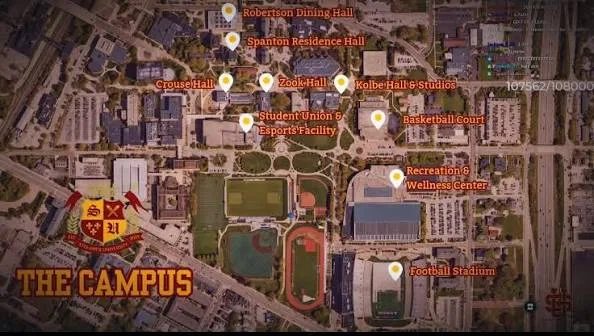
Peter from By Solopreneurs: Walk me through the physical setup. What did the campus actually look like?
Kai Cenat: It was a mansion, but we turned it into a full campus. Common areas, actual classrooms, shared sleeping quarters that felt exactly like a dorm. Everybody had a bunk. You walked in and it hit you: this isn’t a house party, this is a school. The vibe was intentional. We wanted people to feel like they’d moved in somewhere new.
Peter from By Solopreneurs: You sorted participants into majors. How did that work?
Kai Cenat: Yeah, we had four: IRL Streaming, Gaming, Talk Shows, and Creative. Every participant picked one, and each major was led by a professor. An experienced creator who actually knew that lane. These weren’t lecturers reading off slides. They were mentors running workshops, giving real feedback, showing people how to tighten their craft. Casual, hands-on, no ego.
Peter from By Solopreneurs: What did a typical day look like?
Kai Cenat: Mornings were classes. Skill-building, content critiques, breaking down what works and what doesn’t. Afternoon was live streams, everybody putting what they learned into practice. Evenings? Unstructured. Hangouts, games, spontaneous stuff. That’s where the real energy lives, honestly. The schedule gave people structure but never suffocated them.
Peter from By Solopreneurs: Were the classes actually broadcast?
Kai Cenat: A lot of them, yeah. That was the whole point. Blend education with entertainment. Viewers got to learn alongside the participants. You’re watching a professor break down pacing or engagement, and you’re picking up tips yourself. It made the stream feel useful, not just entertaining.
Peter from By Solopreneurs: How did viewers navigate everything happening at once?
Kai Cenat: We had a central dashboard where you could toggle between live channels. Wanted to check the Gaming major while somebody in Creative was cooking? One click. It was like a campus tour from your couch. You chose your own schedule.
Peter from By Solopreneurs: What specific skills did the curriculum emphasize?
Kai Cenat: Practical stuff. Pacing your stream so people don’t click away. Reading the room in chat. Emote design. That’s a real skill if you’re building a community. Cross-platform promotion, how to take a Twitch moment and make it hit on TikTok or YouTube. Nothing theoretical. Everything you could use the next day.
Peter from By Solopreneurs: You mentioned spontaneous moments. How did those fit into the structure?
Kai Cenat: Those were the electives. Dance-offs at 2 AM, late-night debates about nothing, dorm-room storytelling that went viral. You can’t schedule that stuff. But you can create the conditions for it. Put people together, give them space, let the cameras roll. Some of the best clips came from moments nobody planned.
Peter from By Solopreneurs: How many cameras were running?
Kai Cenat: Bro, everywhere. Embedded throughout the mansion. We captured the structured stuff like classes and streams, but also the candid moments. Late-night conversations, someone walking through the common room at 4 AM. All of it went to highlights and archives. Nothing wasted.
Who Made the Cut? Selecting the Inaugural Class
Peter from By Solopreneurs: Casting is everything in a project like this. Walk me through how you picked the first class.
Kai Cenat: Man, that was months of work. I had a scouting team and we went deep. Twitch, YouTube, TikTok. Watching hundreds of small to mid-sized channels. We weren’t looking for the biggest names. We wanted undiscovered talent. People with high growth potential, a strong personality, and that collaborative spirit where you know they’ll add energy instead of drain it.
Peter from By Solopreneurs: Did you open it up to applications?
Kai Cenat: We put the call out publicly, yeah. Asked people to apply, asked the community to nominate creators they believed in. But the final roster? Invitation-only. I had to be deliberate about balance. You can’t take the first fifteen people who raise their hand and hope it works. You need a mix that creates chemistry.
Peter from By Solopreneurs: How many ended up in the first class?
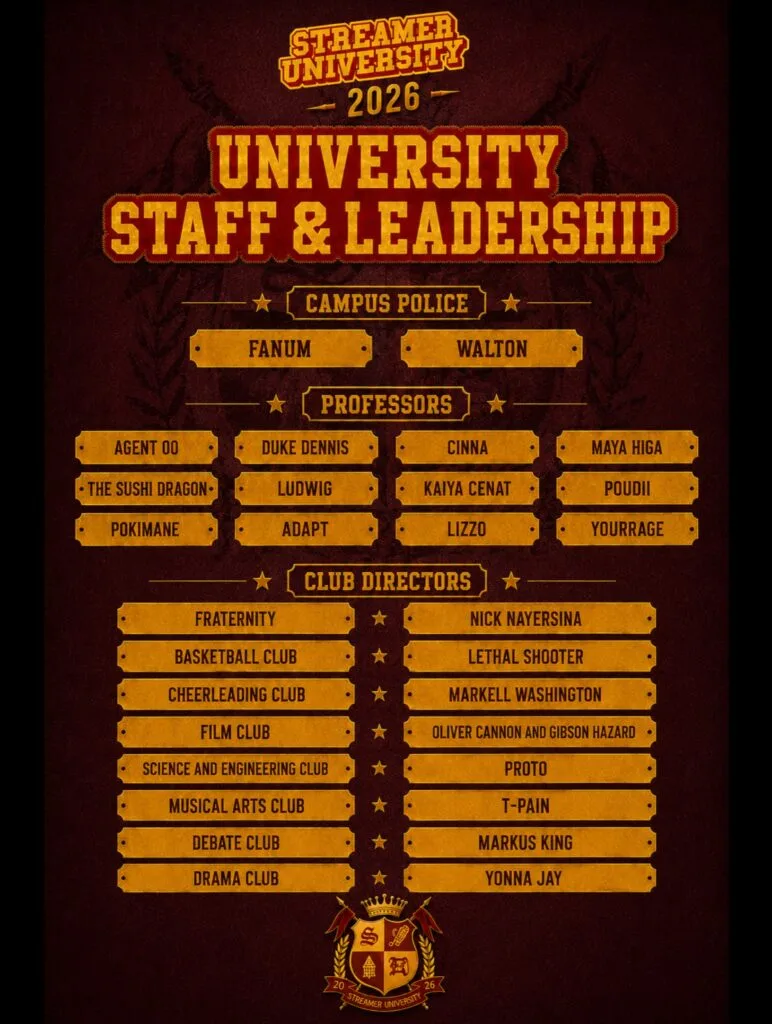
Kai Cenat: Fifteen participants, split across five majors. Each major had a professor leading it, and the whole thing was overseen by my close friend Duke Dennis as dean. Duke kept the energy right, kept people accountable. The professors handled the craft, Duke handled the culture.
Peter from By Solopreneurs: What kinds of content did the majors cover?
Kai Cenat: We made sure the genres clashed on purpose. Gaming, Just Chatting, music, reaction, outdoor adventure. You put a competitive gamer in a dorm with a musician and a reaction streamer, that friction is gold. They see the world differently, they stream differently, and when they’re living together, that tension creates moments you can’t write.
Peter from By Solopreneurs: Did you avoid bringing in established names?
Kai Cenat: Intentionally. I didn’t want mega-influencers with millions of followers dominating the room. That kills the dynamic. The whole point was mixing big and small voices so the smaller creators get lifted. True growth happens when you put somebody with a hundred thousand next to somebody with a thousand and let them learn from each other.
Peter from By Solopreneurs: How did you group them once they arrived?
Kai Cenat: Cohorts. We housed them together by group, not by individual rooms. That forced rapid bonding and rapid friction. When you’re sharing space with strangers for days straight, you either figure it out fast or you clash. Both outcomes make good content. The bonding gives you heartwarming moments, the friction gives you drama. It’s a real college experience.
Peter from By Solopreneurs: What was the age range?
Kai Cenat: Eighteen up to mid-thirties. That was deliberate too. Real universities don’t have everybody the same age, so why should this one? The younger creators brought raw energy, the older ones brought perspective. Different viewer demographics can find somebody they relate to.
Peter from By Solopreneurs: How did you build hype around the reveal?
Kai Cenat: Kept the final list completely secret. Fans spent weeks speculating, campaigning for their favorites, making predictions. That social-media buzz was free marketing. By the time we officially revealed the roster, people were already invested in who made it and who didn’t. The anticipation was part of the show before the show even started.
The Cultural Impact and Viral Momentum of Streamer University
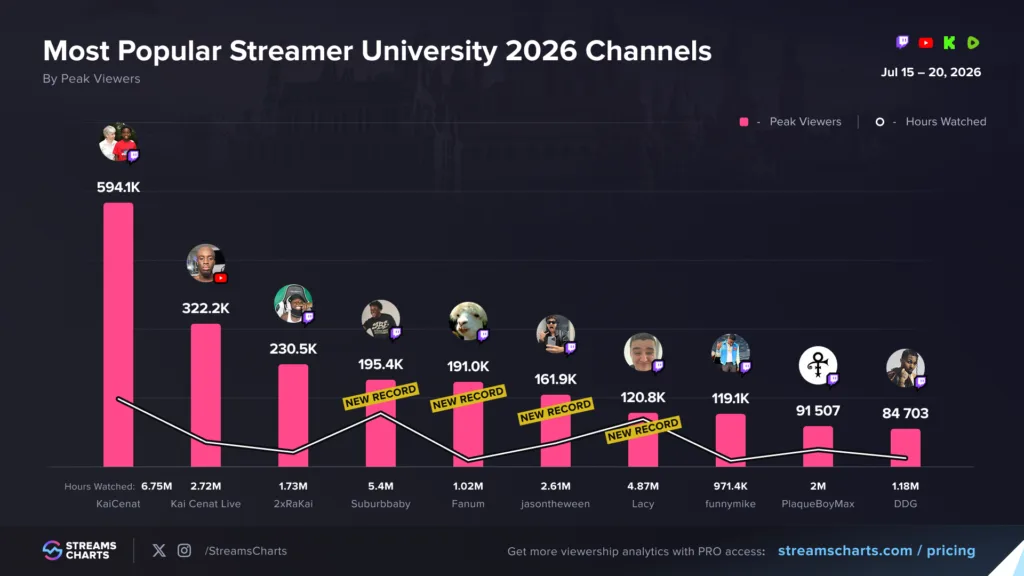
Peter from By Solopreneurs: Let’s talk numbers. The final-day challenges hit half a million concurrent viewers across all streams. That’s major esports territory. Did you expect that scale?
Kai Cenat: Honestly? I believed in the vision, but seeing those numbers in real time was different. Half a million people watching simultaneously, spread across multiple feeds, all tuned into the same ecosystem. That’s not a stream. That’s a broadcast event. It rivaled tournaments that have been running for years, and we did it with a bunch of creators living in a house.
Peter from By Solopreneurs: The TikTok explosion was massive. Two billion views across event hashtags, clips dominating the For You Page for three straight weeks.
Kai Cenat: That’s the part that still blows my mind. Two billion. People weren’t just watching on Twitch. They were discovering the moments on TikTok, then coming to Twitch to catch the next one live. It created this cycle where a clip from 2 AM would be everywhere by breakfast, and then that night’s stream would have thousands of new viewers who saw it. The platform cross-pollination was unreal.
Peter from By Solopreneurs: #StreamerUniversity trended on Twitter for seven consecutive days. That’s sustained attention, not a flash in the pan.
Kai Cenat: Seven days, bro. That’s a week of people waking up and seeing Streamer University on their timeline. Fan accounts popped up chronicling every subplot: who was beefing, who was teaming up, who had the funniest moment the night before. It became its own media ecosystem. You didn’t have to watch every stream to know what was happening. You could check Twitter and catch up.
Peter from By Solopreneurs: Rolling Stone, Complex, The Verge. Major outlets called it the most ambitious creator stunt of the year.
Kai Cenat: That validation was wild. When you’re in the thick of it, you don’t always know how it looks from the outside. But seeing those outlets cover it the way they cover music drops or film releases, that told me we’d built something that transcended streaming. It became a cultural moment, not just a Twitch event.
Peter from By Solopreneurs: The audience went deep. Fan edits, ship theories, a dedicated subreddit dissecting every interaction.
Kai Cenat: Man, the subreddit was hilarious. People were analyzing eye contact, reading into who sat next to who at breakfast, building whole narratives around a 10-second interaction. That level of investment doesn’t happen by accident. It happens when the audience feels like they’re watching something real unfold, not a produced show. The subreddit was essentially a live commentary track on top of an already live experience.
Peter from By Solopreneurs: Alliances, cliques, rivalries developed organically. How much of that was real versus performance?
Kai Cenat: That’s the thing. It was real. You put fifteen people with different personalities in a shared space for days, and social dynamics are going to form whether you want them to or not. Some people clicked immediately. Some rubbed each other the wrong way. We didn’t manufacture any of it. The audience can smell fake drama from a mile away. What they were watching was genuine human chemistry, for better or worse.
Peter from By Solopreneurs: The participants saw massive growth. Average follower increase of 145% within two weeks.
Kai Cenat: That’s the stat I’m most proud of, honestly. 145%. Smaller creators walked in with a modest following and walked out with their careers accelerated by months, maybe years. That was the whole mission. Use the platform to lift others. Seeing those numbers proves the model works. Exposure isn’t theoretical when millions of eyes are watching you every day.
Peter from By Solopreneurs: Brands that weren’t involved initially started scrambling to sponsor clips and highlights after seeing the organic reach.
Kai Cenat: That was funny to watch. Suddenly everybody wanted in. But that’s how it works. When something catches fire organically, the brands come to you. We didn’t need to pitch anybody. The numbers spoke for themselves. A clip with 50 million views doesn’t need a sponsorship deck.
Peter from By Solopreneurs: People compared it to old-school reality TV. The Real World meets streaming, but with live audience interaction.
Kai Cenat: That comparison makes sense. The Real World put strangers in a house and let the cameras roll. We did the same thing, except the audience could interact in real time. Chat could influence moments, viewers could switch between feeds to follow their favorite participant. It’s reality TV with a feedback loop. That’s the evolution. People don’t want to just watch anymore. They want to be part of it.
Multi-Stream Chaos: Planned Activities vs. Spontaneous Moments
Peter from By Solopreneurs: Let’s talk about the daily rhythm. How did you balance scheduled activities with letting things happen?
Kai Cenat: The schedule was designed with intention. Rigid class blocks in the morning. Skill sessions, workshops, critiques. Then long, completely unscheduled stretches where people had to figure out what to do with themselves. That’s where the magic lives. You can’t script 2 a.m. dorm-room arguments about nothing. You can’t plan impromptu karaoke that goes viral. You build the container, and then you get out of the way.
Peter from By Solopreneurs: Was that a conscious philosophy going in?
Kai Cenat: Hundred percent. My directive to the production team was simple: build a sandbox, not a script. Give people toys, give them space, and let them play. Cameras always rolling, no retakes, no apologies for raw moments. The second you start polishing reality, you kill it. Viewers can feel when something is manufactured.
Peter from By Solopreneurs: You still had planned activities though. Talent shows, debate nights. What was the thinking there?
Kai Cenat: Those gave the day structure. A spine for people to hang their energy on. A talent show at 8 p.m. gives everybody a shared goal, a reason to prepare, a moment to perform. But the real gold, the clips that exploded, happened in the gaps. Debate night was fun. But the 2 a.m. hallway conversation where two people accidentally revealed their whole life story? That got 40 million views.
Peter from By Solopreneurs: Speaking of technical logistics, you were running over twelve simultaneous 1080p streams with zero downtime. How did that not collapse?
Kai Cenat: Bro, that was a nightmare to engineer. We had a dedicated tech team running bonded cellular encoders as backup. Basically, if the main internet went down, the system switched to aggregated cellular signals without dropping a frame. You can’t have a mansion full of creators streaming simultaneously on residential Wi-Fi and expect it to hold. That’s how you get buffering and dead air. We over-engineered the hell out of it so nobody ever noticed.
Peter from By Solopreneurs: Viewers could toggle between perspectives through a custom web portal. Walk me through that.
Kai Cenat: Yeah, we built a dashboard where you could click between live feeds from any room. Wanted to check what was happening in the courtyard while the Gaming major was running a tournament in the lounge? One click. It turned the audience into editors. They curated their own experience, followed their favorite participants, switched when they got bored. Nobody watches one static stream for six hours anymore. They want to choose their own adventure.
Peter from By Solopreneurs: There’s a famous moment. A water spill that turned into a full-floor slip-and-slide. That became the most-viewed clip of the entire event.
Kai Cenat: (Laughs) Man, that was pure chaos. Somebody knocked over a pitcher in the common room, and instead of cleaning it up, somebody else took a running start and slid across the floor. Within thirty seconds, the whole cast was out there, slipping, falling, laughing, somebody grabbed a phone and started commentating like it was the Olympics. No producer called that. No schedule slot said “2:15 p.m., slip-and-slide.” That’s what happens when you put people together and let them be dumb and joyful.
Peter from By Solopreneurs: You mentioned stepping back as headmaster. How hands-off were you really?
Kai Cenat: Intentionally hands-off. I’d let situations escalate naturally. Watch a disagreement build, watch alliances form, watch people navigate social friction on their own. I only stepped in if safety became a concern or a conflict crossed a line. Otherwise, let them cook. The audience wants to see real human dynamics, not the headmaster solving every problem. My job was to set the stage and trust the cast to perform.
Peter from By Solopreneurs: The mansion itself was chosen carefully. Small rooms, long hallways, a central courtyard.
Kai Cenat: Deliberate. You put people in big, isolated suites and they’ll stay in their rooms. But small shared quarters, narrow hallways where you have to squeeze past each other, a central courtyard that everybody crosses to get anywhere. That forces constant, close-quarters interaction. You can’t avoid each other. You bump into somebody at 3 a.m. getting water, and suddenly you’re having a conversation that becomes a clip. The architecture was part of the content strategy.
Peter from By Solopreneurs: Post-event analysis showed that unplanned interactions drove 70% of the viral reach. Does that validate the approach?
Kai Cenat: Seventy percent. That’s the number that proves the philosophy. If we had scripted everything, we’d have gotten maybe 30% of that reach. The audience rewards authenticity. They shared those clips because they felt real. Nobody was performing. You can’t fake a genuine moment, and you can’t manufacture virality. You can only create the conditions for it and then get out of the way.
Addressing Critics: The Established Creator Debate and Other Controversies
Peter from By Solopreneurs: Not everybody loved the professor concept. A central criticism argued that featuring well-known creators diluted the focus on emerging talent and turned the event into a celebrity playground.
Kai Cenat: I hear that, and I get why it looks that way from the outside. But here’s what people don’t see: those professors weren’t the stars of the show. They showed up, ran their workshops, mentored their students, and then stepped back. Their follower counts were a tool, not the point. You need somebody with real experience teaching pacing or engagement, not somebody who learned it last week. The students were the focus. The professors were there to teach them something they could actually use.
Peter from By Solopreneurs: There were technical issues too. Stream dropouts, audio desyncs that broke the immersion during key moments.
Kai Cenat: Yeah, those hurt. There’s no excuse for a stream dropping at a peak moment. We pushed the infrastructure hard, and sometimes it broke. I addressed it publicly on stream because pretending it didn’t happen is worse than owning it. We’re already planning for 2026 with a dedicated A/V production team, better redundancy, and infrastructure that doesn’t buckle under the load. The technical side has to be invisible, and it wasn’t always this time.
Peter from By Solopreneurs: Some viewers felt the constant camera presence made interactions feel performative rather than authentic. That the line between structured content and manufactured drama got blurry.
Kai Cenat: That’s the tension at the heart of this whole format. Cameras everywhere means nothing is private, and that changes how people act sometimes. But I’ll say this clearly: nobody was given scripts. Nobody was told to start a fight or fake a friendship. The drama that happened was real friction between real people living together under pressure. Did the cameras make people more aware of themselves? Sure. That’s unavoidable. But manufactured? No. The audience can tell the difference.
Peter from By Solopreneurs: There was a vocal minority who accused you of exploiting smaller creators for clout. How do you respond to that?
Kai Cenat: Look at the data. Post-event follower numbers, the partnership deals that came in for participants who had none before, the career acceleration that happened in real time. If I was exploiting anybody, those numbers wouldn’t exist. Exploitation doesn’t leave people better off than you found them. Every single participant walked out of that house with more opportunity than they walked in with. That’s not exploitation. That’s a launchpad.
Peter from By Solopreneurs: You also implemented a real-time feedback dashboard for stream health during the event. Tell me about that.
Kai Cenat: That was something the production team built mid-event. Viewers could flag technical issues, and the dashboard surfaced them instantly so engineers could fix things before they became big problems. It wasn’t perfect, but it showed we were listening. When the community tells you something’s wrong, you don’t ignore it. You build a system that catches it faster next time.
Peter from By Solopreneurs: You’ve said before that criticism is necessary feedback. Does that apply even to the harshest takes?
Kai Cenat: Especially the harsh ones. If nobody cared enough to critique the event, it means the idea wasn’t big enough to matter. Small ideas get ignored. Big ideas get picked apart. I’d rather have people debating what we got wrong than not talking about it at all. Every critique sharpens the next version. I don’t take it personally. I take notes.
How Participants Took Ownership and Shaped the Experience
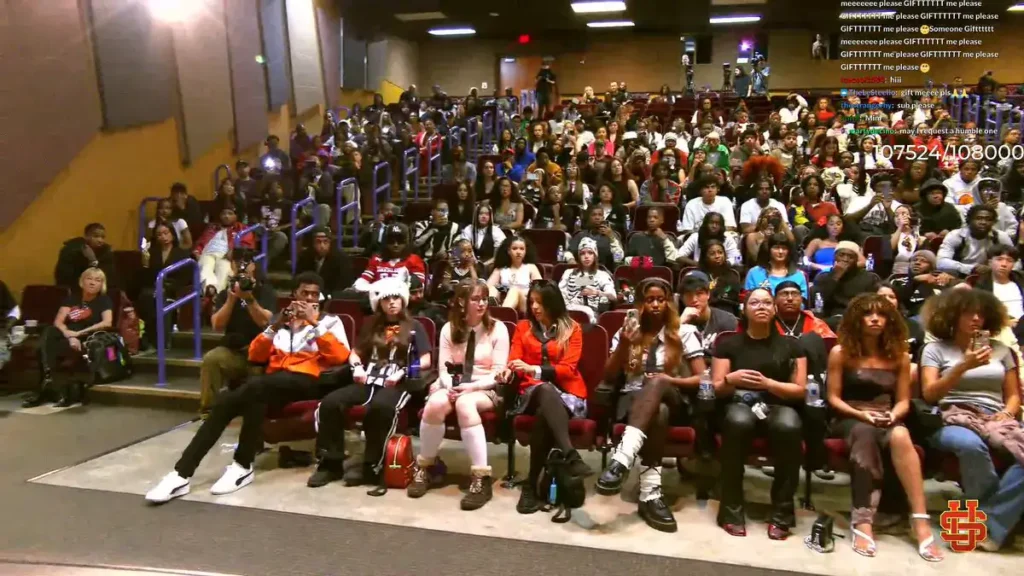
Peter from By Solopreneurs: Within three days, participants had already organized unofficial ‘night classes.’ Late-night gaming sessions and storytelling circles that rivaled official content in viewership. Were you surprised by how fast they took initiative?
Kai Cenat: Surprised? Nah. Hopeful, maybe. But I knew if we built the right environment, creators would start treating it like theirs, not mine. By day three, people weren’t waiting for a schedule to tell them what to do. They were hosting their own late-night sessions, running gaming tournaments at 1 a.m., gathering in circles to tell stories that had everybody crying or laughing. Some of those unofficial streams pulled numbers that matched the scheduled classes. That told me everything I needed to know.
Peter from By Solopreneurs: The student-led initiatives went further than anyone expected. A campus newsletter, a secret handshake society, a self-curated talent showcase voted on by the audience.
Kai Cenat: Bro, the newsletter. Somebody literally wrote and distributed a daily campus newspaper, recapping the drama, the highlights, the inside jokes. That wasn’t our idea. That was a participant who saw a gap and filled it. The secret handshake society was hilarious. You’d see people in the hallway doing this ridiculous hand thing and nobody knew what it meant except them. And the talent showcase? The audience voted on who performed. We didn’t touch it. That was pure participant ownership, and it was better than anything we could have produced.
Peter from By Solopreneurs: Your role shifted noticeably over the course of the event. You started as director and ended up more like a Dean of Students, popping into streams briefly, offering advice, then disappearing.
Kai Cenat: That was intentional. Early on, I was everywhere, setting the tone, making sure the machine was running. But the longer the event went, the more I pulled back. If I’m constantly in frame, people start performing for me instead of being themselves. Hero-worship kills organic dynamics. So I’d swing by a stream, drop some advice, crack a joke, and dip. Let the participants own the spotlight. My job wasn’t to be the star. My job was to make sure everybody else could be.
Peter from By Solopreneurs: The professors started crowdsourcing their sessions too. Instead of lecturing, they’d ask participants what they were struggling with in real time and build tutorials around that.
Kai Cenat: That was the professors being smart. You can walk into a room with a prepared lesson plan, but if your students are hitting a specific wall, you pivot. The best sessions weren’t the ones we planned. They were the ones where somebody said, ‘I keep losing viewers thirty minutes in,’ and the professor built the whole workshop around fixing that exact problem. Real-time, responsive, no fluff.
Peter from By Solopreneurs: Cross-major collaborations started happening spontaneously. IRL streamers partnering with gamers for challenge streams, creating hybrid content nobody predicted.
Kai Cenat: That’s the beauty of putting different creator types under one roof. An IRL streamer who’s great at talking to strangers on the street teams up with a competitive gamer who’s never left their setup, and suddenly they’re doing a challenge stream where the gamer has to navigate real-world tasks while the IRL streamer commentates. Nobody planned that. It emerged because people with different skills bumped into each other and went, ‘Yo, what if we tried this?’ Those hybrid streams were some of the most-watched content of the whole event.
Peter from By Solopreneurs: You’ve called participant autonomy the secret sauce. Why does that matter more than the production value or the casting?
Kai Cenat: Because ownership changes everything. When a creator feels like they’re just a hired performer showing up to somebody else’s event, they coast. They do the minimum. But when they feel like it’s their launchpad, their opportunity to build something that outlasts the week, they go hard. They stay up late planning, they take risks, they invest emotionally. That’s the difference between a gig and a launchpad. We gave them the keys and let them drive.
Peter from By Solopreneurs: There was a moment that illustrated this perfectly. A little-known artist designed a live mural on-stream, and the audience donated so much that they sold out a merch drop right there.
Kai Cenat: Man, that was beautiful. This artist walked in with maybe a few thousand followers. Set up a canvas in the common room, started painting live, and people in chat went crazy. They were donating, requesting colors, asking for prints. By the end of the stream, they’d sold out their entire merch inventory. That doesn’t happen if the artist is waiting for permission. That happens when somebody sees an open camera and decides to create something right now. No scheduling, no approval, just action.
Peter from By Solopreneurs: The environment clearly encouraged risk-taking. But there’s a fine line between confidence and pressure. How did participants handle streaming under the eyes of both an audience and their peers?
Kai Cenat: That pressure is real, and it’s productive. When you’re alone in your room, you can play it safe. Nobody knows if you tried something weird and it flopped. But in that house, your peers are watching. There’s a healthy competitive energy. You see somebody else trying something bold and pulling it off, and you think, ‘Alright, I gotta step up.’ The safety net is the audience, they’re supportive, they’re rooting for you. But the pressure of your peers pushes you past your usual limits. That combination is powerful.
Peter from By Solopreneurs: Months later, several participants launched joint YouTube channels and podcast series directly from friendships formed at the event. That seems like the longest-lasting impact.
Kai Cenat: That’s the legacy right there. A week-long event is cool. But friendships that turn into ongoing collaborations, channels that are still uploading, podcasts that are still recording, that’s real. People met their creative soulmates in that house. They found somebody who matches their energy, their humor, their work ethic. Those partnerships will outlast any single event. That’s not something you can manufacture. That’s what happens when you put creators together and let genuine connections form.
The Future Vision: What’s Next for Streamer University and Kai Cenat
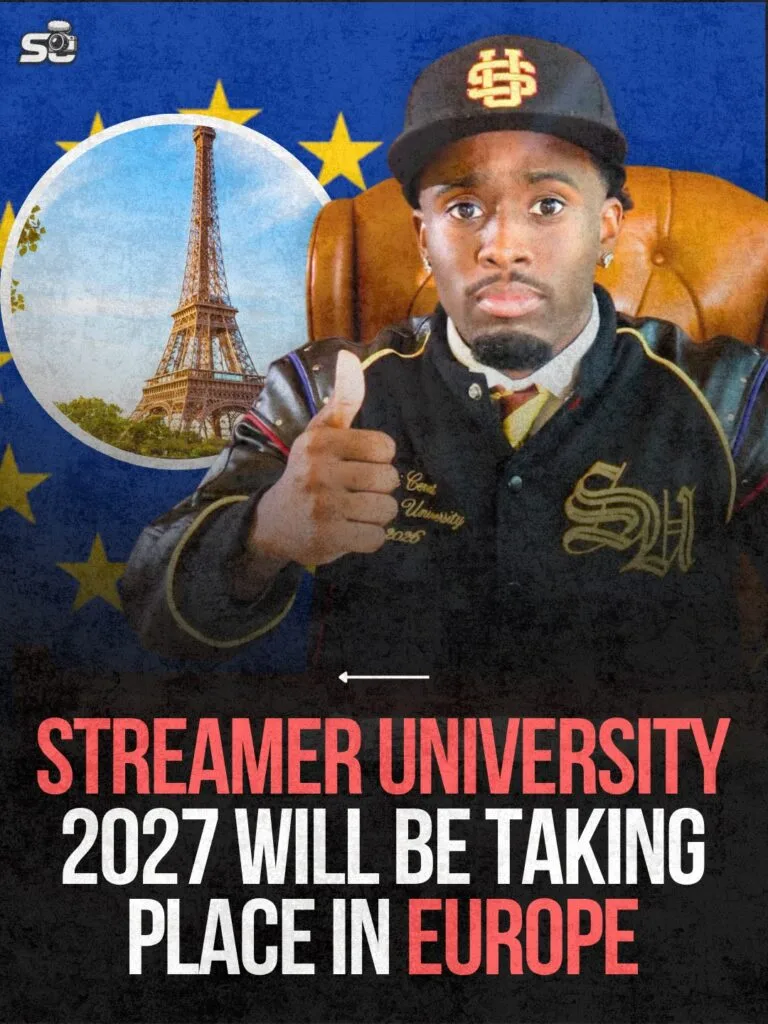
Peter from By Solopreneurs: Let’s talk about what’s next. Streamer University 2026 is already in pre-production, from what I’ve heard. Can you confirm that and tell us what’s changing?
Kai Cenat: Yeah, we’re already deep in it. Bigger campus, more creators, and for the first time, we’re opening applications internationally. The first run proved the format works. Now it’s about scale. Think twice the space, twice the cast, and a production infrastructure that doesn’t break when things get wild. I’m not interested in doing the same thing again. I want to level it up.
Peter from By Solopreneurs: Is the long-term goal to turn this into a recurring franchise? Something like a reality series or a documentary spanning multiple seasons?
Kai Cenat: Hundred percent. I see Streamer University as a franchise that lives beyond any single event. A documentary following multiple seasons, capturing the behind-the-scenes story, the casting drama, the moments that don’t make it to stream. That’s the vision. This isn’t a one-off stunt. This is a format that can run year after year, with different casts, different locations, different challenges. Each season builds on the last.
Peter from By Solopreneurs: You’ve mentioned a concept called ‘Streamer University: Global.’ Walk me through that.
Kai Cenat: Imagine simultaneous campuses running in different countries. Tokyo, London, São Paulo, maybe Lagos. All connected through live streams. Participants in Japan competing or collaborating with participants in Brazil in real time. The time zones create a 24-hour content cycle. When one campus goes to sleep, another wakes up. The audience never has to stop watching. That’s the dream. A truly global creator ecosystem running in parallel.
Peter from By Solopreneurs: There’s also talk of a nonprofit arm. What does that look like?
Kai Cenat: We’re in early talks, but the idea is simple: provide streaming setups and mentorship to underrepresented creators who can’t afford the equipment or don’t have the connections. A lot of talent never gets seen because they don’t have a decent camera or a strong enough internet connection. That’s a solvable problem. If Streamer University becomes a platform that can fund those setups and pair creators with mentors year-round, that changes who gets to participate in the first place.
Peter from By Solopreneurs: Do you see the format expanding beyond gaming? Music production, stand-up comedy, even STEM-focused cohorts?
Kai Cenat: Absolutely. The university framework isn’t exclusive to streaming. You could run the same model for musicians. Put producers and vocalists in a house, have them collaborate on tracks for a week, broadcast the whole process. Stand-up comedians workshopping material in front of a live audience every night. STEM creators building projects together. The format is modular. The core idea, put talented people together, give them structure, let the cameras roll, that works across any creative discipline.
Peter from By Solopreneurs: Through all this expansion, how does the core mission stay intact?
Kai Cenat: It doesn’t change. Not ever. Take people who have the work ethic but not the spotlight, and give them a stage. That’s the whole thing. Whether it’s a mansion in LA or three campuses on three continents, the mission is the same. Find creators who are grinding every day with nobody watching, put them in front of millions, and let their talent do the rest. Everything else, the production, the branding, the scale, is infrastructure around that one idea.
Peter from By Solopreneurs: How does your own role evolve? Do you see yourself staying as the face of it forever?
Kai Cenat: Nah. I want to phase into executive production over time. Be the guy who builds the machine, not the guy who has to be in every frame. Eventually, I want new students to run entire days without me even being there. That’s the sign that the format is sustainable. When it works because the system works, not because I’m in the building. My name might be on it, but the future of it shouldn’t depend on me showing up.
Peter from By Solopreneurs: You’ve said that within five years, most major streamers will organize collaborative physical events. Do you really believe Streamer University will become the blueprint?
Kai Cenat: I don’t think it’s optional. The solo streamer in a bedroom model is getting old. Audiences want scale, they want chaos, they want real human dynamics. Every major creator is going to realize they need to put people together in physical spaces and let something organic happen. We proved it works. The numbers don’t lie. Other people are going to copy it, adapt it, put their own spin on it. That’s fine. That means the format is real. Streamer University showed what’s possible. Others will take it further.
Peter from By Solopreneurs: Last question. What’s your final message to the aspiring creators watching this, the ones who didn’t make the first class but want to be in the next one?
Kai Cenat: You don’t need a degree to be great. You need a room full of people who push you. That’s what we built. Not a school with grades and exams. A room where everybody around you is trying to level up, and that energy lifts everybody. If you didn’t make it this time, keep grinding. Keep posting. Keep getting better. We’re building a bigger room for 2026, and I want to see you in it. The spotlight isn’t reserved for people who already have one. It’s for people who show up ready to earn it.
Leave a Reply