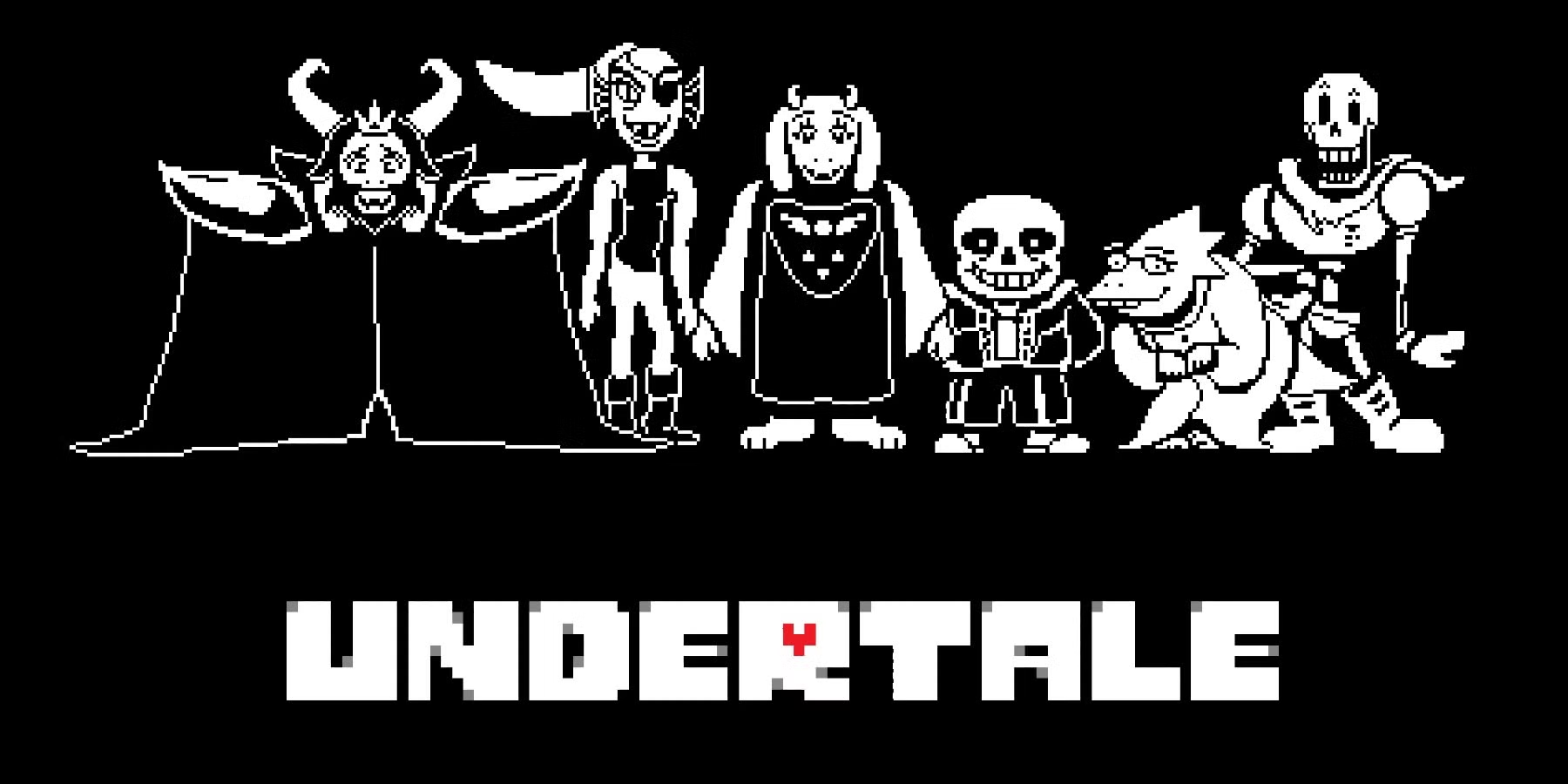
Picture a solo developer shaping an RPG that breaks the rules. No grinding. No forced fights. Every enemy can be spared. No big launch splash, either. It spread through fan art, speedruns, and music covers that filled timelines and forums. That’s the heart of Toby Fox’s Undertale story, a slow burn built through constraints, care, and a tight bond with players.
This reads nothing like an overnight win. One person made a series of careful calls as composer, writer, and designer, with help from a small group of collaborators. Those choices made something odd and sincere, and that mix pulled in a community that stuck around.
Readers won’t just skim dates and milestones here. They’ll see what happens when passion meets a clear process and disciplined scope. Early nods to classic games shaped the foundation. Smart twists on combat and storytelling turned it into something fresh. Indie founders looking to build meaningful experiences on small budgets will find real lessons packed into those decisions.
On this page
- From EarthBound forums to composer, Toby Fox learned the craft
- The influences that shaped Undertale’s design DNA
- Kickstarter in 2013 scoped the vision and built trust
- Building with constraints using simple tools and small-team habits
- Designing mercy with the ACT system and real emotional stakes
- Writing and tone balanced humor, heartbreak, and internet literacy
- Launch momentum came from word of mouth and the streamer flywheel
- Solo developer lessons founders can apply today
- Why this founder story endures and what to do next
- Frequently asked questions
From EarthBound forums to composer, Toby Fox learned the craft
Fans first noticed Toby Fox in the EarthBound community, where he wasn’t a bystander. He jumped into Starmen.Net forums, explored ROM hacks, and tweaked music that nailed the SNES-era feel. This steady practice trained his ear for nostalgic tones and gave him room to test story twists and sharp, dark humor.
By 2008, Fox had released a web album and the EarthBound Halloween Hack. It wasn’t only music. It played with narrative expectations and hinted at ideas he’d push further later. Around 2009, he started composing for the webcomic Homestuck, mixing chiptune rhythms with modern synths. The result: themes that stuck with listeners long after a track ended.
- Years of writing MIDI tracks taught Fox to write tight, looping melodies within strict limits. Those skills proved vital when scoring Undertale.
- Communities like EarthBound and Homestuck gave him fast feedback and a remix-friendly culture, laying the groundwork for later fan-driven growth.
- Work on solo side projects let Fox switch hats across roles, from composer to designer. That versatility became crucial in indie game development.
The influences that shaped Undertale’s design DNA
Undertale borrows a playful voice from EarthBound’s oddball humor and love for breaking the fourth wall. Save and load aren’t just menus here, and they become story beats that poke at the border between player and game.
The ACT system takes clear cues from Shin Megami Tensei’s negotiation battles. Talking through a fight works as well as a sword swing. Combat becomes a conversation, and choices push outcomes toward mercy instead of violence.
White “soul box” dodge sequences nod to Touhou Project’s bullet-hell chaos. Precise dodges drop straight into turn-based menus. Strategy meets reflex in short, tense bursts that test focus.
Toby Fox leans on the Mother series’ minimalist look and hummable melodies. Flashy effects don’t do the heavy lifting. Consistent pixel art and strong hooks build mood and hold it, long after the last screen fades.
Western web culture shapes the self-aware jokes across the script. Forum chatter, fan theories, and remixes created a loop of discovery and sharing. Community felt like part of the design, not a side bonus.
Leitmotifs trace back to composers like Uematsu and Mitsuda. Themes such as “Megalovania” and “His Theme” act like story glue. Repeated musical ideas mark characters, bind scenes, and carry emotion from battle to quiet moments.
Kickstarter in 2013 scoped the vision and built trust
Undertale’s Kickstarter launched in April 2013 with a small goal of about $5,000. The message was simple: keep the scope tight and ship something real. A modest target showed Toby Fox wanted control and clarity, not a bloated wishlist that risked collapse before development even got moving.
A public demo went live alongside the campaign. Potential backers could try the ACT system and the bullet-hell dodges for themselves. Seeing the mechanics in action eased doubts and answered key questions. The demo didn’t sell a dream – it showed the game working.
- Stretch goals stayed grounded, with no feature creep pulling focus from the core combat and story.
- Regular updates kept backers informed with plain progress notes. Expectations were set early, and delays were explained without spin.
This level of honesty turned casual supporters into advocates. Excitement spread into streams and YouTube videos well before release. Word-of-mouth grew around the project, and a community formed that wanted to champion what Toby Fox was building.
Building with constraints using simple tools and small-team habits
Toby Fox chose GameMaker Studio for Undertale to move fast and avoid building a custom engine. Speed mattered more than fancy tech. He could tweak combat or rewrite a scene in minutes instead of wrestling with low-level code. For one person handling writing, music, and design, rapid iteration kept the project alive and focused.
The visuals stayed simple on purpose. Bold, high-contrast pixel art cut out fussy detail that wastes time and muddies tone. Temmie Chang shaped a lot of that personality. Her character and enemy designs added warmth without blowing up scope. The result felt consistent, readable, and lively while sticking to a tight, minimalist look.
Music set the tone before many scenes even existed. Fox often wrote themes first, then built moments around them. Leitmotifs didn’t sit in the background, they guided pacing and emotion. Battles and story beats took their rhythm from those melodies, which made character moments land earlier and harder.
Branching stayed tidy through flags and clear state checks that tracked choices like kills and mercy. Simple logic meant consequences carried across scenes without turning into a mess of interlocking scripts. With clean threads, persistent effects felt natural in play and easier to adjust later.
Feedback loops stayed small. Friends and niche forums weighed in on joke timing, encounter flow, and difficulty. Those tight circles made changes deliberate and grounded in real reactions, not guesswork.
Work finished in complete slices. One encounter at a time, with its art, music, and writing shipped together before moving on. That habit produced visible wins, kept morale up, and avoided a graveyard of half-done content.
Constraints became a framework, not a burden. Focused tools, a clear pipeline, and close-knit testing turned limited resources into momentum and creative control.
Designing mercy with the ACT system and real emotional stakes
Every enemy in Undertale plays like a small puzzle with a loud personality. Instead of only swinging swords or casting spells, players ACT. They talk, joke, compliment, or even flirt, and foes answer based on their quirks. The right approach isn’t obvious. The game nudges careful observation, then rewards experiments when something works. When an enemy’s attitude shifts after the player figures them out, it feels earned. Encounters feel alive, not routine.
The game tracks choices in combat, including how enemies get treated. This shapes more than endings – it threads through the story. Mercy opens paths filled with hope and friendship. Violence makes the world feel heavier with each step. Pacifist and genocide routes reflect the entire playthrough, not just the finale. Consequences land harder because they grow from every decision.
Boss battles raise the emotional stakes with mid-fight twists. Asgore breaks the MERCY button during the fight, forcing direct conflict without an easy exit. UI shifts like this do more than surprise – they echo pivotal story beats where choices grow weighty and the pressure climbs.
Dodging turns into an art. Bullet-hell patterns ramp up in complexity rather than raw numbers. New attacks ask for sharper reflexes and memory. Progress favors skill growth over stat grind. Adrenaline stays high without busywork.
Save and load systems sit inside the narrative. Characters sometimes hint they know about resets or repeated tries, blurring player control and character awareness. This meta touch adds layers beyond standard save points. It asks what fair play means and whether fate can be bent.
All of this matches Toby Fox’s design focus: fewer sprawling branches, denser encounters, and reactions tied tightly to player behavior. Every fight carries emotional weight alongside mechanics. Combat screens turn into stages for storytelling that lingers long after the game ends.
Writing and tone balanced humor, heartbreak, and internet literacy
Undertale balances heartfelt scenes with internet humor without slipping into parody. Earnest moments sit next to meme-level jokes, like Sans dropping font puns that click with online culture yet don’t age out. The game winks, then hits a nerve – playful and sincere at once.
Timing matters as much as the words. Short, sharp lines land, then a beat of silence lets a laugh or a sting sink in. The rhythm feels like real conversation, which tightens punchlines and gives sad lines weight. Quick exchange, pause, shift – simple chats turn into scenes people remember.
Bold silhouettes and signature themes do more character work than dense animation. A few pixels, a strong outline, and a leitmotif carry personality. Music steps in as a second voice, filling quiet spaces with feeling. A small sprite starts to feel huge because the soundtrack says what the face can’t.
Foreshadowing hides in plain sight. A phrase like “Once Upon a Time” circles back across routes and moments, hinting at threads without spoiling them. Each callback adds a layer, and the bigger picture snaps into focus on repeat runs. Careful players spot the seams, then realize those seams were intentional stitches.
Ethics sit inside the mechanics, not a lecture. Choices land because actions change battles and shape scenes. The game doesn’t shove a moral – players make a move, then live with what it sets off. Mercy and harm stop being labels and start being outcomes.
The script got tighter over many passes, trimming excess so scenes move. Jokes sow seeds for later shocks, with the true lab turn as a standout. Trust builds on laughs, then the floor drops. Indie writers get a clear lesson here: layer humor under hard truths to keep attention while deepening the story.
Launch momentum came from word of mouth and the streamer flywheel
Undertale arrived on PC in September 2015, right as YouTube and Twitch were packed with choice-driven games and surprise-heavy stories. Viewers flocked to watch, then wanted to see their own outcomes. Perfect timing for a game where decisions bend the plot in strange ways.
The design leaned into spoilers in a careful way. Streams teased early scenes and tone, but avoided late-game twists. Streamers kept interest high without ruining payoffs. That balance pushed curious viewers to pick it up themselves, turning broadcasts into jump-off points.
The music broke out on its own. “Megalovania” and other tracks spread through remixes and covers, then hit playlists and social feeds. New listeners met the soundtrack first, then found the game after. The songs kept attention long after playthroughs ended.
- Steam reviews climbed to Overwhelmingly Positive, which lifted visibility in Valve’s recommendations.
- Fan art, theory videos, and cosplay spread across communities, forums, and conventions.
- Awards and sales milestones followed over months, not overnight.
Undertale’s rise moved in waves. Community passion fed more discovery, then more creation, again and again. For indie teams working with tight budgets, it shows how steady word-of-mouth and focused design stack up into something far larger than the sum of its parts.
Solo developer lessons founders can apply today
- Embrace constraints with smart tools
Pick tools that help you ship fast. Skip custom engines unless they define the game’s identity. GameMaker Studio let Toby Fox iterate at speed, which kept development nimble for a solo creator covering many roles. - Prototype the emotional hook early
Get the core mechanic working in a rough build first. In this case, the mercy system paired with bullet-hell dodging landed in a playable demo before more content. It showed what clicked and prevented wasted effort later. - Let strengths shape production
Use a standout skill, like music, to guide scenes. Toby Fox wrote themes first so melodies set pacing and mood, instead of chasing flashy visuals or long scripts. - Design difficulty around skill, not grind
Build challenges that reward learning patterns, not repetitive tasks or padded length. This respects player time and keeps the adrenaline up without burnout, as seen in the game’s tight combat flow. - Create moments made for sharing
Plan encounters or beats that spark clips, covers, theories, or memes on their own. These sparks travel farther than ads and grow community enthusiasm early. - Communicate honestly throughout development
Share small, steady updates about progress or delays. Straight talk builds trust, and trusted supporters become vocal advocates on launch day.
Why this founder story endures and what to do next
Undertale shows what steady craft and clear choices can do. Years of practice, community involvement, and careful decisions shaped how players connect with it. Toby Fox built more than mechanics or witty lines. He created moments where players felt noticed. Limits didn’t shrink the game’s heart. They focused it.
Work on EarthBound forums and music for Homestuck set the stage. Those experiences tuned his ear for timing, jokes, and melody, and taught him how to care for an audience early on. Undertale’s personal tone traces back to that feedback loop, where responses came fast and every musical piece mattered.
Constraints acted like filters for design, art, and story. Focus stayed on a tight core mechanic and emotional stakes. Each choice served the game’s voice with no excess. Mechanics carried meaning. Systems held messages and moods that lingered long after a session.
Community shaped the process from Kickstarter supporters to streamers who spread the word. Momentum built over months through reviews, covers, and fan theories. It was a slow burn, not a flash in the pan. Endurance beats noise.
Creators working on a project now can pick their strongest skill and set one clear limit that protects it from distraction. Ship a small, real slice next – a 10-15 minute demo – and test it with actual players this week. That step reveals what works before scaling up.
Creative clarity wins over chasing scale. Protect what matters with smart limits, and the work will land harder than team size or budget might suggest.
Frequently asked questions
Is Toby Fox a solo dev?
Yes, though not alone. Fox worked as composer, writer and designer on Undertale, with help from a small group of collaborators. Temmie Chang contributed character and enemy designs that added warmth without expanding scope. Friends and niche forums weighed in on joke timing, encounter flow, and difficulty.


Leave a Reply