The Solo Founder’s Adventure
Best Affiliate Software for Stripe
The best affiliate software for Stripe, compared on pricing model, payout automation and recurring commissions, with picks for a solo SaaS founder.
How to Add a beehiiv Signup Form to Your Framer Site
Add a beehiiv signup form to your Framer site: free plans on both sides, the right embed option, and styling that fits your design.

Machined AI Coupon Code: How to Get a Discount
Coupon codes Active Machined AI coupon codes MACHINED20 takes 20% off. AIWRITER takes $25 off. Enter one at checkout and check the total before the first invoice. 20% offMACHINED20 $25 offAIWRITER Claim the discount Sick of chasing Machined AI coupon codes that don’t work? Makes sense. Machined AI rarely shares public coupons, so random…
NitroPack vs WP Rocket: Which Speed Tool Actually Fits Your Business
NitroPack vs WP Rocket: where each one optimizes, what you keep when you stop paying, and how metered pricing scales as traffic grows.
Elementor Alternatives for Solopreneurs: What to Use Instead
Three Elementor alternatives — Spectra, Divi and Framer — and the speed, bloat and pricing problems each one actually fixes.

Best SEO Tools for Solopreneurs: What I Actually Pay For
The best SEO tools for solopreneurs after testing seven: keyword research, on-page, content and rank tracking — and when free is enough.
Best WordPress Gutenberg Plugins Compared
Solopreneurs sorting out WordPress in face a pile of Gutenberg block plugins. This review narrows it to four worth serious attention: Superb Addons, Spectra (WP Spectra), Otter Blocks, and CoBlocks. Each serves solo builders with different priorities around design, speed, and cost. The scope stays practical. How many blocks ship ready to go, and…
NitroPack Review: What It Does That a Caching Plugin Can’t
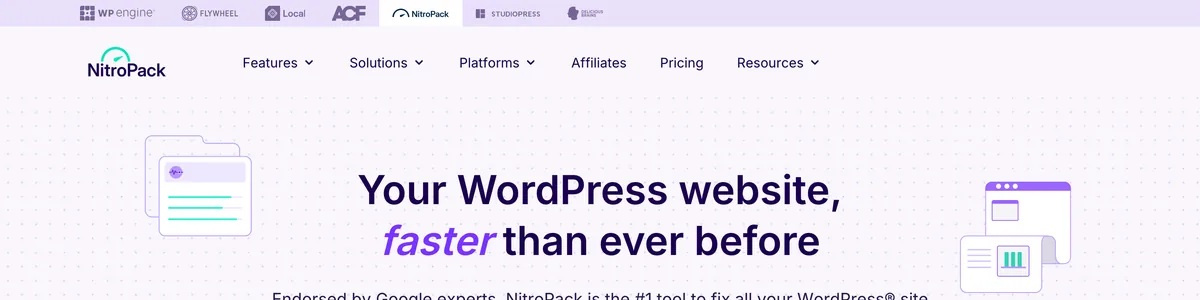
Our NitroPack review covers what it automates, the real pageview limits, and the control you hand over — so you can tell if it fits your site.
Senja Review: Can One Person Really Get Enough from a Free Testimonial Tool?
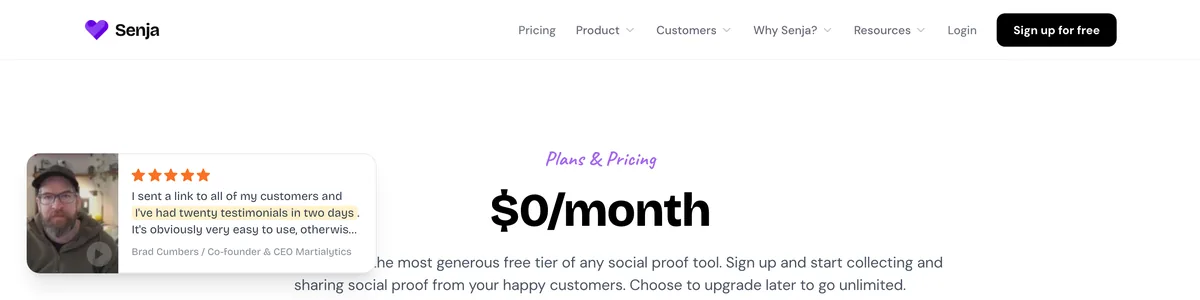
Senja review after weeks on a live site: what the free testimonial tool includes, where the 15-testimonial cap bites, and when to pay.
Toby Fox & Undertale: The Founder Story
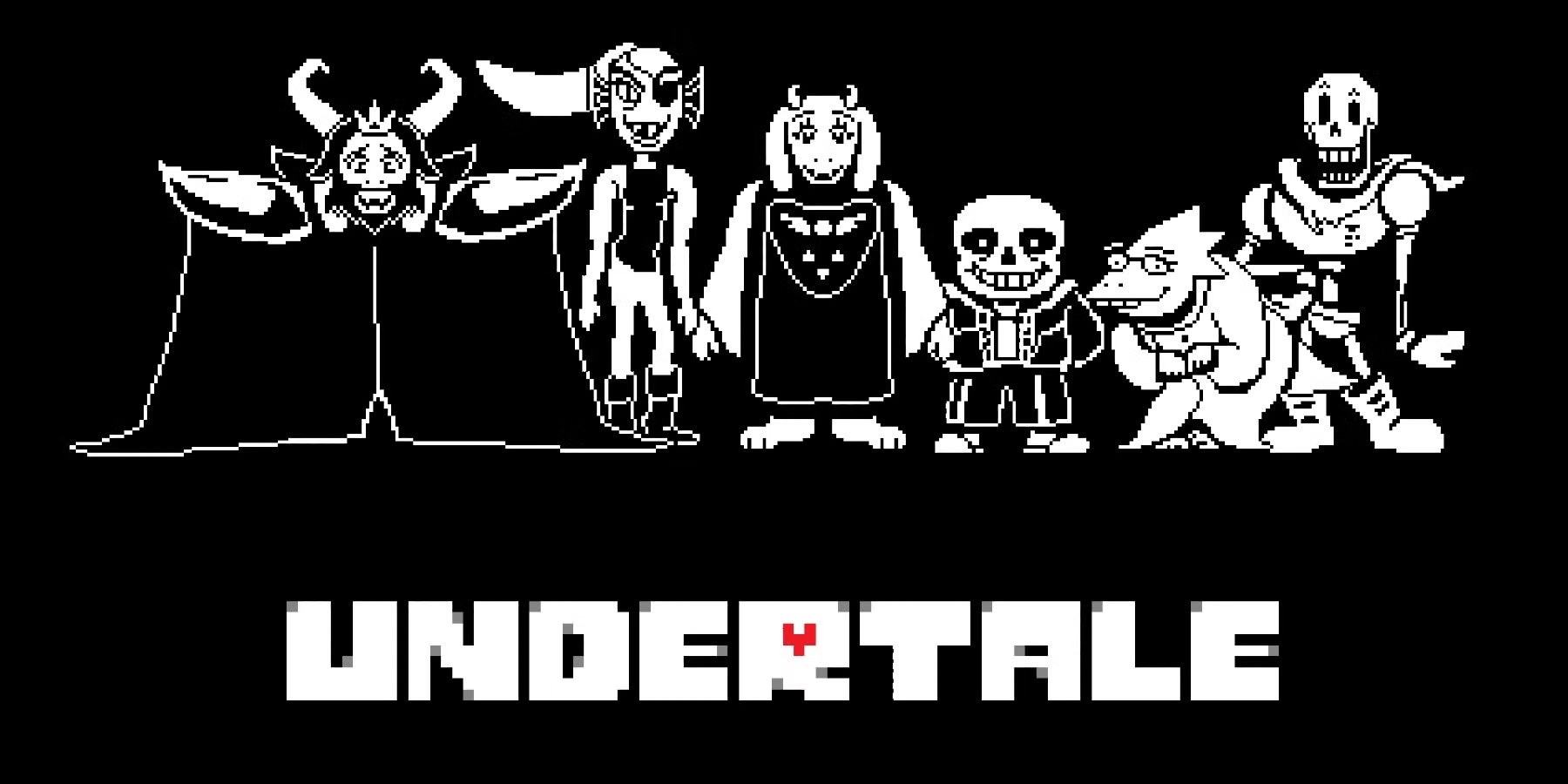
Picture a solo developer shaping an RPG that breaks the rules. No grinding. No forced fights. Every enemy can be spared. No big launch splash, either. It spread through fan art, speedruns, and music covers that filled timelines and forums. That’s the heart of Toby Fox’s Undertale story, a slow burn built through constraints,…