

Choosing between going solo or teaming up with a co-founder starts with knowing the kind of journey you want. If you like full control and can handle wearing all the hats, being a solopreneur fits naturally. You make decisions fast without checking in with anyone else. But if your startup idea needs different skills – like tech on one side and sales driving growth – a co-founder spreads the load.
Personality matters too. Some founders thrive bouncing ideas around together, while others prefer working alone at their own pace. Money plays a role as well; investors often favor founding teams because it feels less risky than backing just one person.
Timing and scale come into play. A simple product launch suits solopreneurs who want quick validation without fuss. Yet if growth is urgent or markets get fierce, sharing responsibilities makes more sense.
Be honest about where you’re headed and how you work best. Don’t rush – talking with fellow founders about their experiences brings real clarity.
Solopreneur Advantages And Tips For Success
One big perk of being a solopreneur is the freedom to set your own schedule. There’s no waiting on meetings or approvals, so you get straight into what matters most every day. Full ownership makes every win deeply personal – and every challenge pushes you to grow in ways teamwork sometimes smooths over.
Thriving solo takes more than skill; it demands grit and self-discipline. When you’re the only one steering the ship, staying motivated through tough times becomes crucial. Resilience isn’t optional – it keeps you moving through setbacks and long hours.
To keep momentum without burning out, try these practical tips: Set clear daily goals that break big projects into manageable steps. Create routines around your peak focus times for deeper work sessions. Schedule regular breaks away from screens to reset energy and creativity. Use calendars and timers to guard against distractions. Connect with other founders online or nearby for support and fresh ideas. Celebrate small wins often to keep inspiration alive throughout the journey.
Working Effectively With A Co-Founder
Having a co-founder means you’re not alone in the trenches. Sharing the workload lightens days packed with endless tasks and decisions, while combining skills unlocks ideas and solutions one person might miss. If you’re strong on product but weak on sales, your co-founder picks up that slack – together, you cover more ground.
The right partner fits more than just your skillsets. It’s syncing visions for where your startup is heading and making sure your daily work styles don’t clash. I’ve seen promising partnerships crash because one founder moves fast and the other prefers slow and steady.
Trust is everything. You need confidence that your co-founder will show up, keep promises, and protect what you build together. Without trust, small hiccups feel like betrayals.
Open communication stops misunderstandings before they grow bigger. Regular check-ins – quick chats or longer talks – keep both of you aligned on goals and challenges.
Clear roles save headaches later. When each founder owns parts of the business without stepping on toes, things move faster with less friction.
Conflicts happen no matter what. The key is addressing them early by focusing on facts instead of emotions or blame games. Listening actively helps turn arguments into problem-solving sessions instead of fights.
When tensions spike, taking breaks from heated talks lets everyone cool off enough to return fresh with real compromises.
The AI Revolution For Modern Founders
AI tools have flipped how we build and run startups, whether flying solo or teaming up. As a solopreneur using AI, I’ve seen smart apps handle repetitive tasks that used to drag on – things like scheduling, replying to customers, or data entry now happen without breaking a sweat. That frees you up to focus on what really matters: growth and creativity.
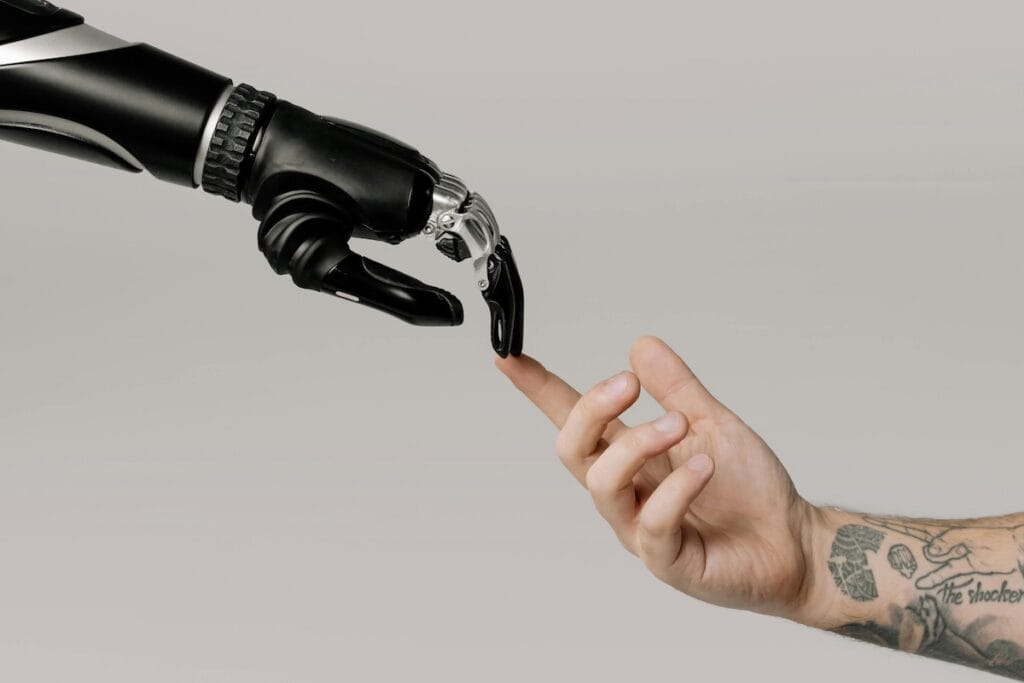
For co-founder teams, AI gives collaboration a serious boost. Shared dashboards powered by AI track progress in real time and spot issues before they slow everyone down. Decision-making moves faster because the data comes through clearer than ever.
More than just saving time, AI cuts costs by automating stuff startups once had to outsource or hire heavily for. Marketing campaigns get tuned with less guesswork thanks to predictive algorithms; finance tools catch mistakes early so budgets hold steady; product testing runs smoother through automated feedback loops.
This isn’t about replacing founders but giving their impact an upgrade. Whether you’re running things alone or with partners, leaning into AI means working smarter – not harder – and carving out space for innovation without burning yourself out.
Productivity Transformation Before And After AI
Before AI tools became part of the daily grind, being a solopreneur meant handling every task by yourself. I spent hours sorting emails, scheduling meetings, and crunching numbers – trying to keep my focus on building the product. Managing time felt like survival rather than strategy; endless chores drained energy and squeezed out space for deep work or creativity.
Now, AI fits right into those repetitive tasks and changes the workflow entirely. Jobs that once ate up half my day – drafting emails or analyzing data trends – get done automatically, often faster than I could manage. For instance, AI scheduling assistants stop all the back-and-forth meeting negotiations. Smart content generators whip up marketing copy in minutes instead of hours. That frees me to zero in on bigger-picture stuff like understanding customers and growing the business.
This shift isn’t just about speed but how solopreneurs rethink their time and energy. Instead of pushing through admin fatigue, you stay fired up for crucial decisions and innovation moments. It took some trial and error to trust these tools without hovering over every move, but learning where AI helps most – and where human judgment wins – is key.
Leaning too hard on automation can cause blind spots if you expect machines to catch everything perfectly. But balancing smart use of AI lets solo founders break free from monotonous routines and reclaim their day for what truly drives their startup forward.
Essential AI Tools And Real Startup Examples
AI tools help solopreneurs and co-founders tackle their biggest challenges. Communication aids like chatbots handle customer questions instantly, freeing time for growth projects. Marketing automation creates content, personalizes emails, and analyzes campaign data to boost sales by targeting customers better. Data analytics spot trends and prioritize features through dashboards that highlight product usage spikes.
Design assistance speeds up launches by generating graphics or UI ideas quickly, while finance management tracks budgets and predicts cash flow issues to avoid overspending during critical funding rounds.
Choosing the right tool boils down to what slows you down most or where you need fast improvement. If communication drains your energy, start with chatbots or scheduling helpers. Want better marketing without hiring a team? Automation platforms that learn from your audience’s clicks are solid.
Keep it simple at first – pick tools that fit smoothly into what you’re already using without long setup times. Try free versions before investing; quick wins build trust in these new assistants.
Limitations And Challenges For Founders
Founding a startup solo or teaming up with co-founders comes with tough challenges. Decision fatigue hits fast when every choice feels urgent and stakes run high. I’ve woken up drained, just dreading the day’s endless to-dos before starting work. Burnout creeps in quick when passion flips to pressure without enough breaks or boundaries.
Working with co-founders brings its own complexity. Conflicts over priorities or work styles slow things down if communication isn’t clear and honest. Small misunderstandings can spiral fast. Relying too heavily on AI tools might seem like a time-saver but misses the crucial human edge needed to really connect with customers and spot subtle shifts early.

Motivation is key but hard to keep steady through constant hurdles. Setting firm limits on hours and unplugging intentionally helps me stay grounded rather than burned out.
Teamwork skills are essential when working with others – trust doesn’t appear overnight but grows from transparency and sharing big wins as well as losses. When solo struggles pile up, mentors or peer groups offer fresh perspectives and much-needed moral support.
Sometimes stepping back for a breather instead of pushing harder leads to smarter decisions versus grinding nonstop. Being honest about these challenges allows planning smarter ways forward instead of getting stuck in cycles of exhaustion or frustration.
Best Practices For Choosing Your Founder Path
Figuring out whether to go solo or partner up demands honest self-reflection. Assessing your strengths, weaknesses, and how you like to work helps have a clearer sense of what fits. Writing down what energizes you versus what drains you can show if flying solo suits you better or if sharing the load feels right.
Building a strong support network has been crucial for me. Early on, I didn’t have all the answers, so connecting with other founders opened my eyes to different options. Joining meetups, online groups, or mastermind sessions brought perspectives from folks who get the grind – and that keeps doubts in check while sparking fresh ideas.
Keeping up with workflows and tools also shaped how I decided. Learning where AI automates repetitive stuff but human judgment still shines made managing founder life easier – whether solo or with co-founders.
Time management shifted from chaos into a real strategy once I started blocking focused hours for deep work and scheduling breaks to recharge without losing momentum. Continuous learning – trying new methods or productivity hacks – helped me stay sharp as challenges changed.
These habits bring clarity again and again as your startup grows; they guide smarter calls about going it alone or building founding teams based on insight – not guesswork.
👉 Considering reading: How To Become a Solopreneur
Building Support Systems As A Solo Founder
Being a solo founder doesn’t mean going it completely alone. Building a strong support system matters, even without a full-time co-founder beside you. Networking with other founders sparks fresh ideas and reminds you that others face the same challenges. Online groups and forums offer quick access to advice, encouragement, or just someone who gets what you’re facing.
Mentors have changed the game for me. Experienced people sharing insights help avoid mistakes and boost confidence when decisions get tough. No need for formal deals – just reaching out can open doors to invaluable guidance.
Freelancers and advisors fill skill gaps or lighten workloads without long-term commitments like co-founders do. Partnering with trusted experts gives flexibility while still delivering great help on marketing, tech, finance, or whatever feels weakest.
Emotional wellbeing often slips under the radar but keeps you resilient as a solo founder. Checking in on how stress affects motivation stops burnout before it sets in. Quick breaks, exercise, or talking honestly about struggles keep my energy steady through rough times.
At By Solopreneurs, Solo But Not Alone means building real connections that lift you up – turning your startup journey from isolating into something powered by community.
Leave a Reply