

Framer’s story isn’t about hype or flashy founders. It’s about practical design and engineering choices that solved real problems. It showed up during the wave of new design tools in the 2020s and stayed focused on steady, thoughtful moves that made the product useful.
The path wasn’t about quick wins. Framer grew through deliberate technical bets and a clear read on the market. Early stack choices mattered, and so did the balance between fundraising and real revenue. The team shifted from code-heavy prototyping to visual tools that more people could use, and distribution changed with it. Each step pushed the product closer to where teams were already working.
Figma set the standard for collaborative design systems. Framer found a different lane. Designers and small teams started picking it for marketing sites. They could ship fast without leaning on engineers or a traditional CMS. That shift didn’t hinge on personalities. It came from a series of smart tradeoffs that placed Framer in a useful spot in digital creation.
How Jorn’s design and engineering roots shaped the problem Framer set out to solve
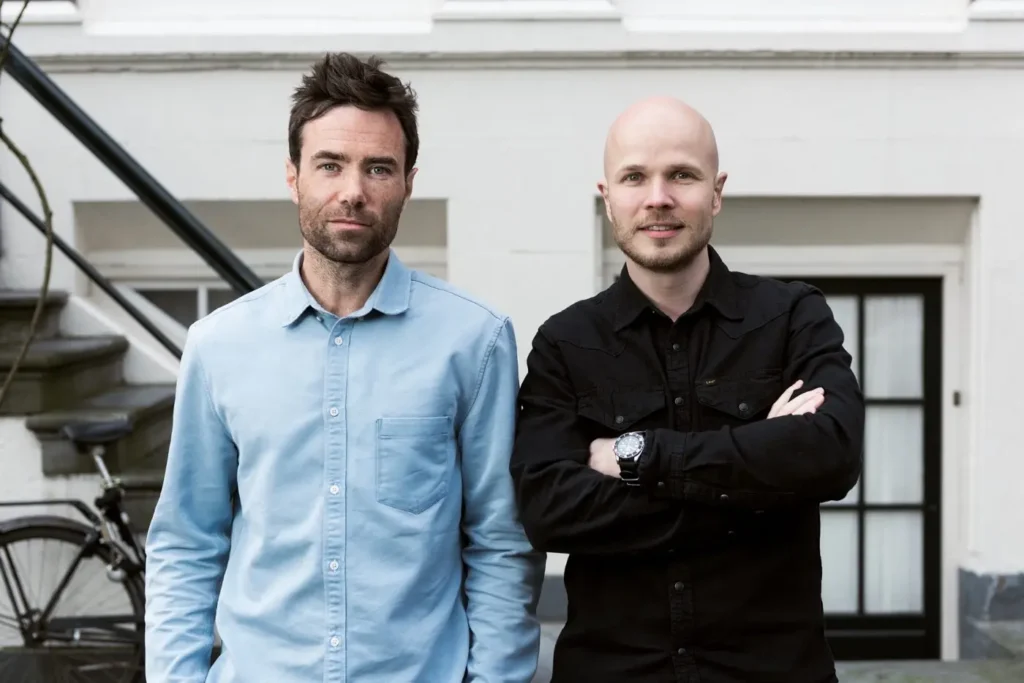
Jorn van Dijk blends interface design with front-end engineering, a mix that spread through product teams in the early 2010s. Designers wrote code to see how interactions felt, not just how screens looked. That work closed the gap between concept and reality. Teams spotted issues early, long before handoff to engineers.
Prototyping sat on two unhelpful ends of a spectrum before Framer. Static mockups looked nice but didn’t show how anything moved. Tools like Quartz Composer demanded heavy scripting and long study. Most designers had no good middle path that felt expressive and stayed approachable.
Jorn worked with co-founder Koen Bok, who also crossed design and development. They focused on tools that acted like real products: physics-based motion, layout rules, real input, real feedback. Prototypes needed to look right and act right.
One idea sat at the center of the work: strong interaction design starts with real states and logic. Put enough code into a prototype to surface risk early. Catch the tricky parts before an engineering sprint exposes them.
They saw a specific gap. Teams needed faster ways to express rich interactions without dumping weeks into hand-coded demos or drifting away from true UI behavior. Framer aimed at that middle – speed with high fidelity.
From code‑first prototypes to a broader visual workflow
Framer Classic started as a playground for people who could work across design and code. It leaned on JavaScript to make interactions feel real. That power drew in designer-developer hybrids and pushed many traditional designers away. The early community shared snippets and demos nonstop, which showed a committed core, but it also made the steep learning curve obvious for anyone without coding skills.
Later, in the X era, the team moved toward visual layers and constraints. They reduced how much code was needed and still kept dynamic components. This was a strategic shift aimed at a broader audience beyond JavaScript-heavy workflows. Visual tools sat next to interactive power, with the goal of joining creativity with technical precision under one roof.
React’s component model raised the ceiling again. Teams could import real components from production into prototypes, which improved fidelity during handoff. The tradeoff was extra complexity that overwhelmed some designers who weren’t comfortable around code-first patterns.
Workshops, meetups, and example kits stepped in to soften the edges. These helped people learn faster, strengthened the community, and lowered a few barriers. Purely visual platforms still felt easier in comparison, so the friction never fully went away.
Why Framer shifted from prototyping to a designer‑led site builder
By the mid-2020s, Figma owned core design workflows. One gap stayed wide open: a fast way for designers to ship marketing sites without leaning on engineers. Framer stepped in, moving past prototyping to offer a visual site builder for teams that wanted speed and control. It took aim at long-time options like WordPress with custom themes and newer no-code tools.
The product shift focused on a responsive canvas and CMS-style content models, so dynamic pages were easy to set up and update. Hosting came with it, turning Framer from an interaction tool into a full website builder for creative teams. The goal stayed simple: give designers native tools to ship production sites without wrestling with traditional development work.
Performance became the backbone. Static generation plus edge delivery made pages load fast everywhere. Real HTML and CSS replaced opaque code, which fixed SEO worries and kept markup clean for search engines. Many older visual builders struggled here, and this move closed that gap.
Monetization changed to match real-world use. Pricing tied to live site needs like traffic and team seats, so revenue mapped to production value, not prototype tinkering. That push encouraged serious adoption by teams running real marketing campaigns.
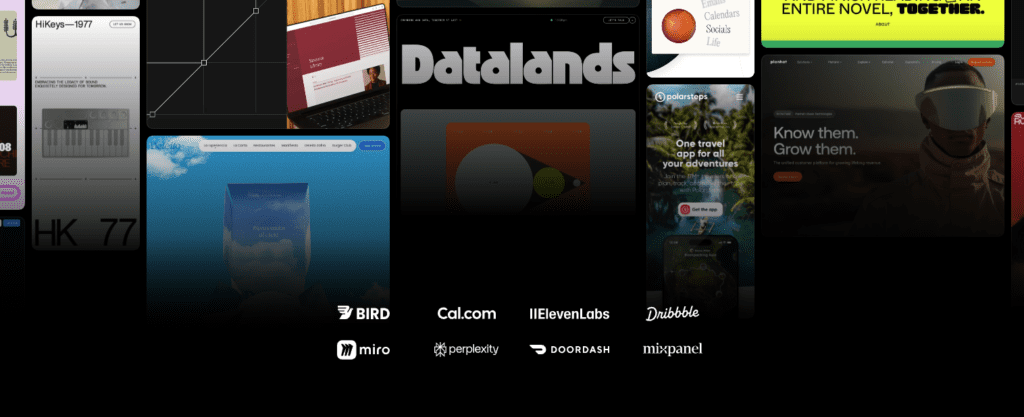
Proof showed up in public template libraries packed with polished starters, agencies listing Framer as a preferred client tool, and showcase galleries filled with launched marketing sites instead of throwaway demos. The shift recast Framer as a design-native platform built for creative work and practical web publishing.
How Framer found product – market fit and what founders can learn
Framer hit product-market fit when the team narrowed their audience. They stopped targeting every designer playing with prototypes and focused on designers shipping live marketing sites, connecting domains, updating content often, and watching performance. Repeated production launches showed real adoption. Framer shifted from a playground to a tool used in daily work with clear outcomes.
Success became concrete. When you pick a workload tied to measurable results, ROI stories become obvious: faster launches, fewer developer handoff issues, and fast-loading pages. Ready-made templates and agency partnerships created steady momentum beyond hobbyists. Less required code brought more users in, while optional custom components kept power users happy. Positioning next to dominant design tools, not against them, gave Framer a durable place where designers own their web presence.
Founders and solo builders get a clear takeaway. Identify who actually buys the tool and which job they want done end to end. Align the product with workflows people pay for. Timing around platform shifts affects momentum. Watch meaningful signals like ongoing usage, not vanity stats. Daily dependence tells the real story.
Leave a Reply