

A solopreneur runs their own business solo – no partners, no employees. It’s just you steering the ship, making every call, and shaping your vision along the way. This route is popular because it means full control over what you create and how you work.
Going solo brings freedom but also responsibility. You pick your hours, choose projects that excite you, and build something personal without layers of hierarchy slowing things down. For those done with traditional office life or who want more flexibility, solopreneurship feels like a real break.
Remote work and digital tools have made going solo easier than ever. Whether it’s freelance writing, consulting, coaching, or selling handcrafted products online, plenty of passions can thrive as a one-person show.
Solopreneur vs Entrepreneur Key Differences
The biggest difference between solopreneur vs entrepreneur is mindset. Entrepreneurs aim big – they picture scaling fast, building teams, and maybe even shaking up an industry. Solopreneurs keep things lean and personal, focusing on mastering their craft or delivering a specific service without losing control. I’ve seen entrepreneurs chasing funding rounds while solopreneurs bootstrap and grow steadily at their own pace.
Decision-making sets them apart too. Entrepreneurs share decisions with partners or advisors because they manage investors and employees. Solopreneurs make every call alone – freedom comes with full accountability for wins and mistakes. Picture a solo designer handling clients directly versus an entrepreneur CEO delegating marketing to a team.
Risk feels different as well. Entrepreneurs take bigger financial risks for rapid growth – launching new products or entering unfamiliar markets fast. Solopreneurs are more cautious since their income depends solely on themselves; one wrong move can hit hard personally. I’ve known freelancers who carefully test new services before diving in fully because there’s no safety net.
Responsibilities split the two clearly: entrepreneurs deal with hiring staff, company culture, investor relations – their days get swallowed by leadership beyond the product itself. Solopreneurs wear all hats daily from sales calls to bookkeeping but skip managing others entirely.
Business structure tells its own story: entrepreneurs build organizations that outlast any one person – with departments that let the company run if the founder steps back temporarily. A solopreneur’s business moves exactly as fast or slow as they do since there’s no separate entity running things behind the scenes.
👉 Considering reading: Solopreneur vs. Co-founder
Pros and Cons of Being a Solopreneur
Being a solopreneur means total freedom to shape your day. You pick when and where you work, which projects get your energy, and how fast your business grows. Every win feels personal and powerful because it’s all on you. Isolation hits hard sometimes – no teammates around means getting stuck in your own head is easy. Joining online groups or local meetups helped me break out of that.

Income fluctuates since there’s no steady paycheck like at a regular job. Watching cash flow closely and building different income streams keeps things steadier in the long run. Work-life balance gets tricky with home as your office; boundaries can disappear overnight. I set firm work hours to dodge burnout and protect my free time.
These upsides shaped how I planned for the solo ride ahead:
Popular Solopreneur Business Ideas
Solopreneur business ideas cover a wide range, letting you pick what fits your skills and style. The real win is how flexible this path can be – whether you’re creating digital products, offering services on your own terms, or selling stuff online, there’s space to make it work without needing a big team.
Many solopreneurs don’t stick to just one thing. Mixing different approaches as you grow keeps things fresh and opens more doors. Popular moves include digital products like online courses or eBooks, freelancing gigs such as writing or social media management, e-commerce options from dropshipping to handmade Etsy crafts, coaching in areas like life or career advice, and creative work including graphic design or video editing.
This captures the core ideas solopreneurs lean into today when starting solo.
Steps To Become a Solopreneur
Starting out means getting clear on the skills you bring to the table. It’s not just what you’re good at but what feels meaningful enough to build your business around. I took time early on to reflect on my strengths and how they could solve real problems for others – that self-awareness made a huge difference.
Finding your niche matters next. Trying to serve everyone only dilutes your impact. Focusing on a specific audience or market helps your offer stand out and connect deeper. If writing is your thing, maybe zero in on helping tech startups shape their stories instead of going broad with general copywriting.
Building your brand ties it all together – it’s how people recognize and trust you. Your brand shows off your skills, personality, and values too. Showing up authentically beats polished perfection every time. When I shared honest experiences, clients connected more than any flashy logo ever could.
Clear goals keep momentum alive when things get tough because they will get tough. Breaking big ambitions into smaller, doable targets day-to-day while keeping long-term growth in sight made progress feel real and worth celebrating.
Expect hurdles along the way – they’re part of every solopreneur’s path. Patience and persistence become allies since setbacks are impossible to avoid running solo. Learning from mistakes instead of fearing them kept me moving forward through rough patches.
These steps aren’t theory but lived experience shaping smarter moves as you launch and grow.
Building Your Personal Brand for Solopreneur Success
Becoming a solopreneur means your personal brand isn’t just about a logo or catchy tagline – it’s the story people get about who you are and what you stand for. Clients decide if they want to work with you or scroll past based on that story. Early on, I learned trust comes from showing up as my real self – not some polished version trying too hard.
Your message sets the foundation. What do you want people to remember when they hear your name? For me, it was all about being reliable and straightforward – no fluff, just honest advice that gets results. Focusing this way stopped me from spreading myself too thin and gave my audience something clear to connect with.
Consistency beats perfection every time. Whether in blog posts, social media, or emails, keeping a steady tone and look builds recognition over time. When I started sharing behind-the-scenes stories alongside tips, followers felt part of my journey instead of distant observers.
Connecting directly makes all the difference. Answering comments honestly or asking questions sparks conversation and turns followers into real relationships. One client told me she picked my services because I took time to answer her doubts personally – that stuck with me as proof authenticity pays off.
Owning every piece of your business means owning how you present yourself live out there. This kind of authentic brand presence takes patience; it grows through small daily moves as much as big marketing leaps.
Step by Step Guide to Solopreneur Success
Becoming a solopreneur and actually thriving begins with knowing exactly what you bring to the table. This goes beyond skills or experience – it’s about digging into what makes your work unique and meaningful. Building expertise comes next, diving into your craft until you’re confident enough that clients trust you without hesitation.
After anchoring yourself in strengths, growing an audience means connecting with people who truly need what you offer. Sharing real stories, helpful tips, or struggles from your own journey creates relationships that matter. Showing vulnerability alongside competence builds the kind of loyal community that sticks around.
As connections grow stronger, diversifying income helps steady the ups and downs of solo life. Developing passive income through digital products or memberships takes time upfront but rewards you later when sales come in while you focus on new projects or take breaks without stressing over cash flow.
Staying adaptable is crucial because nothing follows a perfect script in solopreneurship. When plans don’t pan out – which happens often – adjusting fast keeps momentum alive. Learning from missteps turns challenges into stepping stones.
How to become a solopreneur isn’t one giant leap – it’s many small steps stacked together: understanding yourself deeply; building real connections through genuine content; expanding ways to earn steadily; and embracing change as part of growth.
Inspiring Solopreneur Success Stories
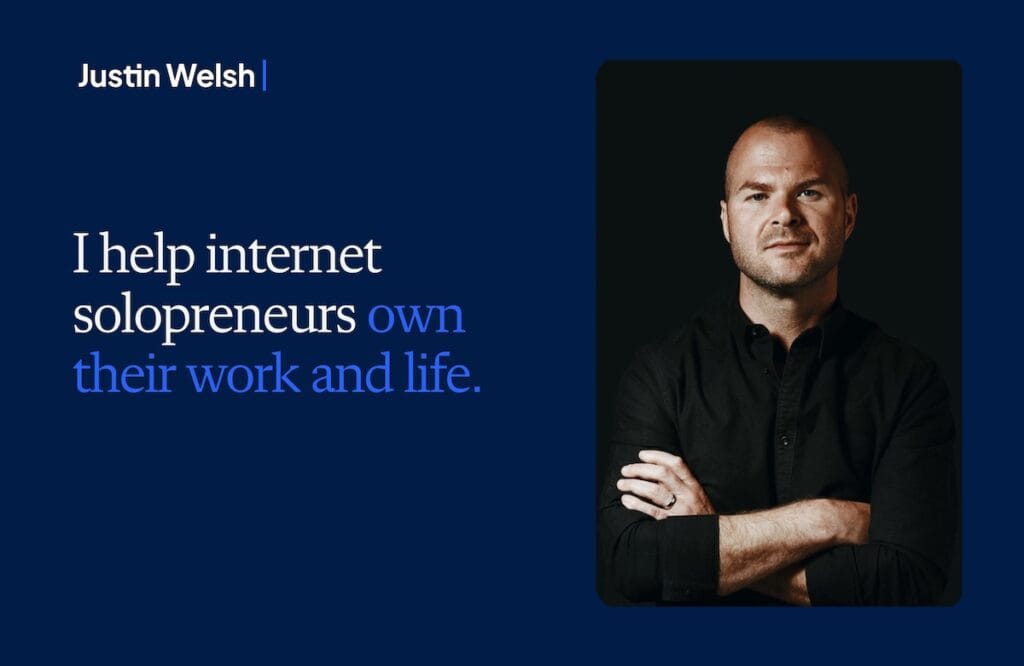
Solopreneur success stories fire up the motivation we all need to make that leap. Take Justin Welsh, who climbed the corporate ladder but tired of feeling stuck with no real ownership. Switching to solopreneurship flipped everything; he built a personal brand by sharing straight-up useful business tips on LinkedIn and through newsletters. What really stands out is his consistency – showing up day after day with solid insights until people trusted him fully. His journey proves steady effort beats flashy shortcuts.
Then there’s Dan Koe, coming from a creative background but lost at first in freelancing chaos. Instead of chasing every shiny opportunity, he picked one lane: helping others craft digital brands through content strategy. Dan’s path was messy and slow because he tested different ideas and learned what actually clicked before hitting his stride. That trial-and-error grit says patience and adaptation seriously matter.
Success doesn’t always start grand either. I’ve met people turning side hustles into full-time gigs solo – an artist selling prints online or a fitness coach streaming workouts – proving you don’t need a master plan upfront. Sometimes just following what lights you up while staying flexible leads somewhere big.
These stories remind us nobody starts perfect or follows one clear map. It’s about carving your own way using your strengths, hustle, and lessons learned while handling whatever solo life throws.
👉 Considering reading: Most Successful Solopreneurs
Top Tools for Solopreneurs To Grow Your Business
Finding the right tools for solopreneurs makes a huge difference in managing daily tasks and scaling smartly. I’ve relied on platforms that handle staying organized and reaching new customers, so you don’t have to juggle everything manually.
For productivity, apps like Trello or Notion keep projects and ideas clear without feeling overwhelming. They track deadlines, store notes, and plan workflows all in one place – super handy when you’re running solo.
Accounting might sound dull but software like QuickBooks or FreshBooks saves headaches with invoices and expenses. These tools automate basics so you spend less time on numbers and more time growing your business.
Email platforms such as Mailchimp nurture leads by sending personalized campaigns that build real connections over time. Social media schedulers like Buffer free up hours by queuing posts ahead instead of scrambling last minute.
Building a website is easier than ever with builders like Squarespace or Wix. Drag-and-drop interfaces mean no coding while creating professional sites that reflect your brand well.
Automation changes the game; Zapier connects apps so they talk automatically – like adding new clients from forms directly into your CRM without lifting a finger.
These tools form the backbone of smooth operations, letting you focus on what matters: delivering value and growing steadily.
Leave a Reply