

Here’s a rare look at what top solo founders earn each month. Not fuzzy estimates. Real numbers pulled from founder reports, product pages, and public updates. These are one-person shops running software, AI tools, creator platforms, and services without full-time staff.
Some totals show gross merchandise value on marketplaces, where the figure reflects all sales volume. Others show actual income after fees or subscriptions. Monthly revenue gives a cleaner view across businesses. It highlights seasonality and growth in a way annual totals hide.
The list tilts toward tech-first founders who share data online. Many high earners in offline niches don’t post numbers, so they don’t show up here. Even with that gap, the patterns still help. Pricing choices, where customers come from, and products that scale with minimal help stand out.
What powers these outcomes? Tight scopes, automation that removes repetitive work, and contractors brought in only when needed. Fewer moving parts. Higher margins. The stories that follow do more than motivate. They give practical clues for building a lean, solo business that can grow fast without hiring a team.
Ranking the top one-person businesses by monthly revenue
Meet 15 one-person businesses pulling in serious monthly revenue. Each runs without full-time staff beyond the founder, stays lean, and makes money through clear, focused models and smart distribution.
- Gumroad – $1.74M/month.
Digital product marketplace that earns from payment fees and premium plans. Growth comes from creator word of mouth, Twitter/X, and newsletters. - JetPrint – $700K/month.
Print-on-demand for e-commerce. Revenue comes from production margins and shipping fees. Grows through the Shopify app ecosystem and tutorial content. - Stripo – $533K/month.
No-code email template builder with tiered SaaS plans. SEO for “email templates” and integrations with ESPs bring most users. - HeadshotPro – $300K/month.
AI headshot generator sold per shoot. Customers find it through LinkedIn, TikTok testimonials, and HR partnerships. - ThirstySprout – $300K/month.
Remote technical talent matching. Earns from placement fees or monthly retainers. Deals come from the founder’s network and LinkedIn outreach. - Boot.dev – $236K/month.
Gamified backend coding courses on monthly or annual plans. YouTube, Discord, and backend SEO drive growth. - Queue – $133K/month.
Platform for productized services with SaaS subscriptions. Reaches buyers through indie hacker communities and YouTube. - Bounce – $117K/month.
Short-term luggage storage marketplace that takes a cut per booking. Local SEO for “luggage storage near me” plus hotel and shop partnerships bring traffic. - Starter Story – $100K/month.
Database of entrepreneur stories monetized with subscriptions and sponsorships. SEO around business ideas and case studies fuels traffic. - Automated Content Tool – $83.3K/month.
AI content publishing sold with seats and usage pricing. Twitter/X demos and affiliates expand reach. - Buttondown – $75K/month.
Simple newsletter tool with tiered SaaS pricing. Popular with developers searching for Substack alternatives. - Castanet – $61K/month.
LinkedIn outreach automation sold as SaaS. Agency partnerships and cold outreach power growth. - WideBundle – $55K/month.
Shopify bundle app on SaaS subscriptions. Shopify App Store SEO and influencer tutorials drive installs. - ShipFast – $50K/month.
NextJS boilerplate for shipping SaaS, sold via one-time licenses plus upsells. Audience grows through Twitter/X in indie maker circles. - ReviewsOnMyWebsite – $49.5K/month.
Review widget SaaS. Clients arrive via local SEO agencies and G2/Google review tutorial exposure.
What these solo founders sell and how each model works
SaaS products work well because revenue doesn’t swing wildly month to month. Stripo, Buttondown, WideBundle, and ReviewsOnMyWebsite charge monthly fees for tools that solve clear, narrow jobs: email templates, newsletter workflows, Shopify bundle setups, and review widgets. After the core app ships, costs for each extra user stay low. New subscribers mostly add revenue, not workload.
Platform fees follow a different path. Instead of fixed subscriptions, they take a cut of each sale. Gumroad and Bounce run marketplaces and service rails where every transaction adds a small slice of income. Revenue scales with sales volume, not just signups.
Other solo founders sell one-off licenses. ShipFast sells NextJS boilerplates for an upfront price with occasional upsells. Launches and new content bring spikes in cash. Keeping that pace going needs steady marketing to reach new buyers.
AI point solutions target tight, high-intent problems and deliver results fast. HeadshotPro creates AI portraits. Automated Content Tool speeds up publishing. Short sales cycles, quick outcomes, strong value for busy teams.
Some founders package services like products. ThirstySprout matches remote technical talent with clear pricing. Queue offers productized services via a SaaS-style plan. Both turn messy service scopes into straightforward offers companies can budget for.
Education-focused platforms sell progress. Boot.dev blends gamified coding paths with community touchpoints on Discord and YouTube. Course loops plus social ties help retention.
Print on demand ties software to physical delivery. JetPrint balances online orders with supplier and logistics workflows. Tight playbooks and dependable partners keep shipments moving even with a solo operator at the helm.
Pricing and margins that turn revenue into take-home pay
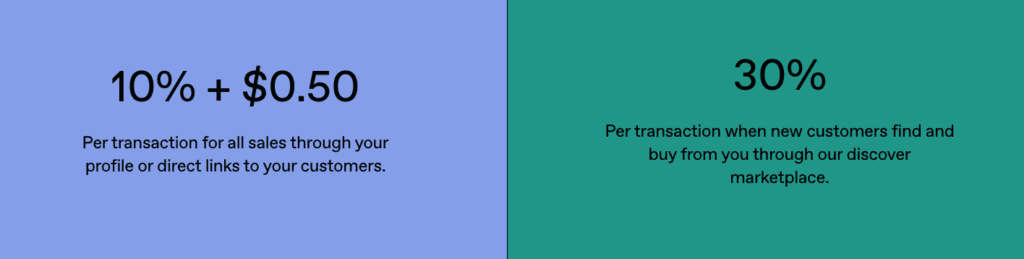
Solo founders juggle pricing and margins based on the model they run. SaaS often looks great on paper, with gross margins between 75% and 90%. Net income swings with ad spend and support costs. Bootstrapped operators who keep paid acquisition low usually land between 40% and 70% net. Transaction platforms like Gumroad may show big topline numbers, but payment processing can take over 10%, and platform fees cut further into what’s left.
- SaaS businesses see high gross margins (75 – 90%) with net margins around 40 – 70% for solo founders who avoid heavy ad spend.
- Transaction-based platforms keep a smaller share after fees; effective net varies by volume and pricing tier.
AI tools such as HeadshotPro price per batch, typically $29 to $49 per set. Compute costs sit around 5% to 20% of each sale, influenced by resolution and prompts. Revenue looks strong upfront, but profit depends on tight control of those backend costs.
Education subscriptions like Boot.dev pull average monthly revenue per user of $15 to $40. Retention comes from more than lessons. Streaks, quests, and small wins help users stay longer, lifting lifetime value without extra acquisition.
Shopify apps such as WideBundle charge $9 to $49 a month. Churn spikes when users don’t see value in the first week. Clear trials and guided onboarding inside the app reduce early drop-offs and stabilize recurring revenue.
License-based products like ShipFast post very high gross margins, often 80% to 95%. Cash flow can be unpredictable though. Sales bunch around launches and promos instead of arriving in a steady stream. Affiliate deals ease the swings by sending a reliable trickle of buyers.
Service-productized offerings such as ThirstySprout run at lower gross margins, about 30% to 60%, because labor soaks up more of the pie than software. Larger contracts and retainers bring steady cash flow, which gives solo founders breathing room to scale carefully.
Distribution channels that consistently move the needle
- SEO compounding: Starter Story focuses on long-tail searches like “how to start X business.” It builds an evergreen funnel that keeps pulling in curious entrepreneurs over months and years. Those organic visitors turn into steady subscribers, so the founder isn’t chasing every lead.
- App marketplace discovery: WideBundle rides the Shopify wave by optimizing for app store ranking factors, including review velocity, user retention, and fast support replies. Getting seen where buyers already shop reduces ad spend and taps a ready audience.
- Social proof engines: Gumroad leans on creator word of mouth and viral launches. Public dashboards make seller earnings visible, which sparks curiosity and trust among people who want to join in.
- Community-led growth: Boot.dev’s Discord and YouTube aren’t just content feeds. They act like feedback loops where learners invite friends, ask questions, and celebrate wins. This tight-knit atmosphere lowers acquisition costs and raises lifetime value through ongoing engagement.
- Cold outreach at scale: Castanet shows LinkedIn automation works when it targets a narrow ideal customer profile with personalized messages and case studies that demonstrate real outcomes. Cold prospects convert into paying users at a healthy rate.
- Partnerships: Bounce expands by teaming up with hotels and luggage storage locations in many cities. These partnerships grow supply fast, while city landing pages capture local demand from travelers who search for nearby options.
- Content mini-demos: ShipFast and Automated Content Tool post short clips on Twitter/X that show quick product outcomes. These bite-sized demos trigger impulse buys from viewers who see the value without reading long explanations.
Work from home realities, time tradeoffs, and stress management
Most solo SaaS founders split their time across a few core buckets. About 40% goes to product and engineering – shipping features, fixing bugs, tightening code. Growth and content take roughly 30% once traction appears and new users matter more. Support eats around 20% with troubleshooting and calming upset customers. Operations pulls the last 10% for billing, bookkeeping, and legal. As the business matures, the mix tilts toward growth.
Home offices trim overhead but blur work and life. Async tools help. Notion for project tracking, Linear for issues, Loom for quick walkthroughs. These keep deep-focus blocks intact even with a kid asking for help or a mid-day chore.
Seasonality trips up many. Travel marketplaces like Bounce surge in summer and holidays when people move around. Education platforms spike in January and September with new-cohort energy. Smart founders build cash buffers so slow months don’t trigger panic.
Stress changes shape when calendars clear. Fewer meetings means more weight on one person. Incidents roll in at odd hours. Escalations show up on a Saturday night and push on personal boundaries.
Contractors plug the gaps. Designers for polish, writers for content, tier-1 agents for basic support. A flexible bench keeps the company “solo” while stretching coverage beyond one person’s limits.
Burnout prevention turns into process. Office hours for support protect evenings. Saved replies and status pages cut repetitive work. Feature freezes during peak demand keep chaos contained when resources stretch thin.
Income smoothing helps steady nerves. Subscriptions cover the baseline. Occasional one-time sales offset churn and seasonal dips, as seen with ShipFast’s license sales. It’s about shaping cash flow so pressure stays manageable when unpredictability shows up.
Who is winning as a solo founder across gender and education
Women now run more solo ventures in digital products and services. Coaching, paid newsletters with tight communities, and small SaaS tools with polished UX suit founders who listen closely to customers and sweat design details. These fields reward insight over raw engineering.
Education shapes outcomes. Over half of solo founders hold a bachelor’s degree or higher. Degrees correlate with higher-ARPU work like developer tools and B2B SaaS. Technical literacy goes beyond code – it means mapping complex workflows and turning them into offers that justify premium pricing.
Tech chops aren’t mandatory. Many non-technical founders launch with no-code stacks, like Webflow for sites, Zapier for automation, and Stripe for payments. They ship an MVP without hiring engineers, lower upfront costs, and test ideas faster.
Income data shows a wide middle. Plenty of solo founders earn $100K to $300K a year with no employees. Results depend on a focused niche, firm pricing, and reliable recurring revenue that evens out cash flow.
Career pivots add momentum. Agency owners package their service know-how into SaaS or template products. Indie developers move from freelancing to their own products to escape hourly limits and earn while they sleep.
Bootstrapping still sets the tone. Many start with under $10K from savings or early customer payments instead of raising venture capital.
Mentorship and peers matter. Indie hacker forums and private Slack groups offer feedback, shortcuts to first sales, and guardrails that prevent expensive mistakes.
How AI is reshaping solopreneur income
AI changed how solo founders cut costs and scale output. HeadshotPro shows the shift well. Studio sessions, lighting setups, and scheduling got replaced by software. Production costs drop, and the team ships far more portraits without hiring.
Speed decides wins for one-person teams. Tools like Automated Content Tool let indie developers ship features in days, not weeks. Automated coding and content generation open room for more bets each month, so more ideas reach users sooner.
Personalization drives retention. Founders tailor onboarding emails to behavior, surface in-app tips at the right moment, and adjust pricing offers in real time. Small tweaks lift activation and keep customers around longer.
Micro-SaaS ideas now spring from GPT-powered internal helpers built for narrow jobs. Recruiters use summarizers, and agents slot into specific workflows. Focused tools hit $1K to $10K MRR fast because they solve a sharp pain with low overhead.
GPU and compute costs can sink margins. Clear input limits and tiered usage pricing protect unit economics as demand grows. Without these guardrails, profits disappear.
Foundational models look like commodities now. Solo founders win by leaning on unique datasets, engaged audiences, or smart integrations instead of trying to outdo base models.
Trust decides deals. Buyers expect plain privacy policies that explain data handling, controls for retention, and transparent opt-outs. Even solo B2B sellers need these safeguards before procurement says yes.
What to do next to reach your first $1K MRR as a solo developer
Income for solo developers varies widely, from nothing to well over a million dollars a month. Your business model and distribution strategy shape those results. The examples here show ranges from $50K to $1.74M per month. Success comes from choosing a path that matches your skills and sticking with it long enough to see results.
Start simple.
- Pick a business model that fits. SaaS brings steady recurring revenue. One-time licenses give upfront cash. Platform fees take a cut per transaction. Productized services use retainers. Weigh the day-to-day support load before deciding.
- Set pricing targets. Aim for 70 – 80% gross margin and 20 – 50% net margin as a baseline. Track customer acquisition cost versus lifetime value, and push for at least a 1:3 CAC:LTV ratio before turning on big paid spend.
- Choose one distribution channel and focus for three months. SEO content, app marketplaces, social demos, partnerships, or targeted outreach all work. Commit to steady output each week, like two blog posts, three demo videos, or fifty personalized emails.
Keep tools light. Stripe for payments, Typedream or Webflow for landing pages, Plausible for analytics, HelpScout for support, Discord or Slack for community. Avoid extra complexity early.
Set milestones that keep momentum. First paying users by week four to six. Reach $1K MRR by weeks eight to twelve. Bring on contractors around $3K – $5K MRR to free up time and scale in a controlled way.
This path turns ideas into revenue without drowning in tools or busywork. Pick a lane, move fast enough to see real signals, then adjust with data instead of endless tweaks.
Leave a Reply