

Anthony Casalena sat in a cramped dorm room at the University of Maryland, staring at a mess of tabs and half-finished blog posts. The tools he tried felt broken in small but painful ways – clunky interfaces, confusing setups, and constant switching between hosting and templates. He pictured something cleaner. One place to build a good‑looking website without tech headaches.
No team. Just savings and long nights. He started coding. The goal wasn’t another blogging tool. He wanted everything in one place – hosting, editing, templates – so it worked out of the box. No manual. No degree required. The web already had plenty of options, yet most forced people to stitch together services or wade into code.
Every line mattered. Time was short and distractions loud. He went to classes during the day, and at night he answered support emails and watched people struggle through early versions. Those notes shaped the product. He avoided splashy ads and growth stunts. Word spread through design forums and blogging communities that cared about polish – thoughtful typography, clean layouts, details most builders skipped.
This isn’t only a software story. Early choices set the tone for Squarespace’s path from a solo side project to a platform used by millions. Frustration turned into a focused product with stubborn follow‑through. That shift explains a lot of what came next.
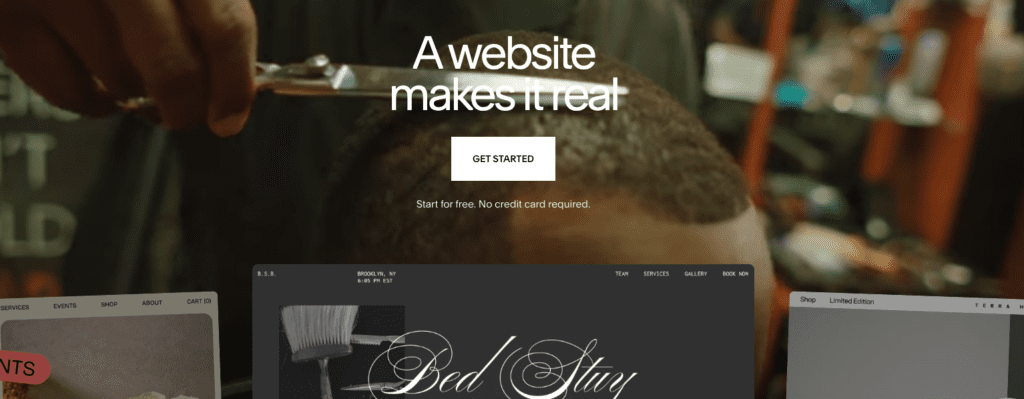
How a solo build became a paid product with real users
Anthony Casalena obsessed over the design details early users cared about most. He spent long hours fine-tuning templates and typography because those were the first things people noticed, and the reason they stayed. Tiny CSS tweaks weren’t just for looks – they built trust. Clean lines, balanced spacing, and thoughtful fonts made sites feel professional with no extra work for users.
He kept features in one place. Hosting, editing, and templates worked together as a single system. The goal wasn’t to offer every feature under the sun – it was to make each part work well with the others. Fewer moving parts meant fewer glitches and fewer confusing setups for new builders.
He worked alone at the start, so community features waited. Fast site creation and publishing became the priority because everyone needed those first. Simplicity cut bugs and sped up improvements.
One codebase kept things manageable. He avoided early abstractions and added complexity only when the same problem kept showing up. That choice saved time and headaches later.
Uptime goals matched this practical approach. Simple cron jobs sent email alerts when something broke. More advanced monitoring came later.
He built internal tools for template versioning and safe rollouts to protect live sites during updates – careful, methodical work that many teams don’t tackle until they’re much bigger.
Customer support tickets set the roadmap. Widespread issues moved to the front of the line. Rare edge cases waited. Development stayed focused where it mattered most.
The tech stack stuck to languages he knew well. Solo work moved faster without waiting on specialists.
- Prioritized polished templates over plugin flexibility for reliability
- Integrated hosting, editor, and templates to reduce failure points
- Deferred complex social and community features due to capacity limits
Design-led choices that worked under solo constraints
Bootstrapping Squarespace meant every dollar mattered. Cash from monthly and annual subscriptions covered servers and bandwidth, so debt didn’t pile up. Stable income created room to build instead of chasing funding.
Hosting wasn’t only a price decision. Managed hardware cost more, yet it saved sanity. No frantic late-night fixes, fewer outages, and reliable uptime. Peace of mind beat shaving a few bucks when reliability was on the line.
Payments ran through mainstream gateways to reduce fraud and chargebacks from day one. Recurring billing renewed subscriptions by default unless users opted out, which cut churn with a simple, low-friction setup.
Tiered plans gave users clear steps. Start with basic storage, then unlock better templates and features on higher tiers. Average revenue per user rose as people moved up, and choices stayed straightforward.
Cost discipline set the roadmap. High-support features like custom code and third‑party integrations waited until revenue could fund them. The goal wasn’t more bells and whistles but sustainable growth and product quality.
Key metrics kept priorities sharp:
- Monthly Recurring Revenue showed signups beating cancellations.
- Churn rates revealed how many users left each month and where to focus retention.
- Support response times caught issues before they stacked up.
- Server utilization signaled when to scale capacity before users felt slowdown.
- Average revenue per user reflected upsell impact from tier moves.
- Profit margins marked when to reinvest in templates or infrastructure without outside cash.
Early discounts stayed off the table. Deep cuts pulled in bargain seekers who strained support and avoided full-price plans. Firm pricing kept growth and profitability in balance during the first years.
Bootstrapping with subscriptions, hosting discipline, and cash flow
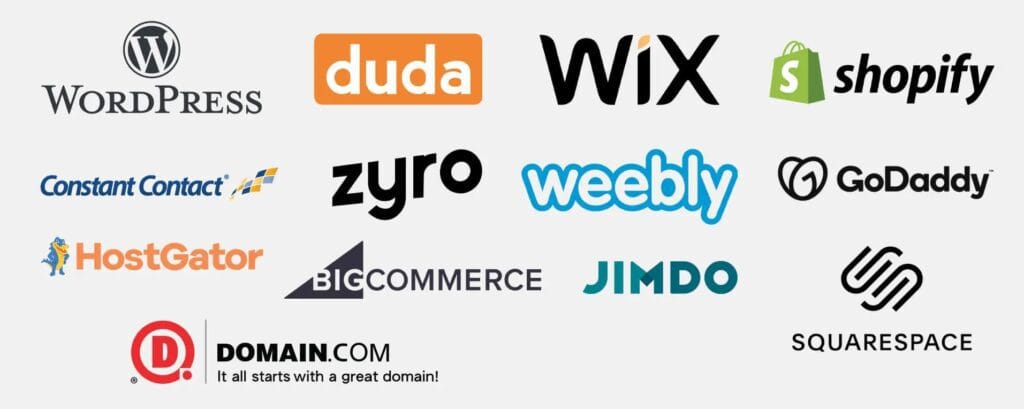
Squarespace stepped into a field packed with WordPress, Blogger, and TypePad. It didn’t copy every feature or chase a maze of plugins. It picked a lane: premium design that works out of the box. No fuss. No long setup.
Users carried the message, not splashy ads. Designers and bloggers who moved over shared honest stories, and that steady word of mouth built trust. Real examples beat noisy claims.
The product delivered integrated simplicity. Hosting, editing, templates, all in one place, so a new user could go from signup to a live site in minutes. Skipping plugins kept sites fast and stable for everyone. Small businesses valued the uptime and the lack of maintenance tasks. No web host drama. No constant patching.
Tight partnerships added polish without bloat. Deals with domain registrars and font providers supported the high-end feel while staying focused on the core product.
Key moves included:
- Prioritizing seamless integration over feature parity
- Relying on genuine user stories instead of loud advertising
- Avoiding marketplace clutter for consistent performance
Competing in a crowded market by focusing on reliability and design
Growing beyond a solo act took careful timing on when to add people. Early hires targeted support and front-end design to keep the product sharp while freeing Casalena to focus on core architecture. Users still got the quality they expected as the company grew.
Full teams didn’t pop up everywhere. Legal, accounting, and niche operations went to outside partners – lean, efficient, and expert where needed. There was no reason to bring in full-time roles for tasks trusted partners could cover.
Hiring moved with revenue. Salaries and infrastructure expanded only when monthly recurring revenue covered them comfortably. That discipline stopped cash crunches and made sure each new teammate added real value instead of extra weight.
Systems came before headcount. Ticketing software smoothed support workflows. Deployment scripts made releases safe. Solid documentation sped up onboarding. These guardrails kept things calm as more people joined.
Clear product principles set the tone early: design quality, a unified tech stack, and measured extensibility. Decisions across the team aligned without constant oversight. New hires stepped into roles with a shared sense of priorities.
Interviews focused on craftsmanship and ownership. With few management layers, everyone had to take responsibility for their slice of work.
Support volume per user acted like a warning light. A spike in tickets relative to active users pointed to root causes that needed fixing before adding more staff.
Roadmap control stayed tight. Centralized product decisions stopped side projects from drifting into disconnected mini-products as contributors multiplied.
- Hired support and front-end design first
- Outsourced non-core functions early to stay lean
- Expanded only when revenue hit clear milestones
When to hire and what to outsource as you outgrow a team of one
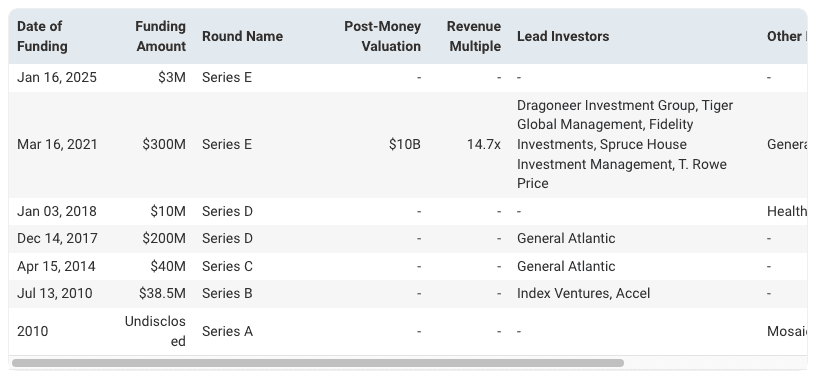
He didn’t rush into outside funding. He waited until Squarespace had real product‑market fit and steady recurring revenue, keeping control in those fragile early years. It wasn’t about avoiding money. Timing mattered, and every dollar needed a clear purpose that pushed the vision forward.
When he finally raised capital, the plan was specific. Speed up hiring in design and engineering. Strengthen infrastructure with faster content delivery networks and reliable database scaling. Expand marketing channels with care, and keep the brand’s premium feel. Ownership dilution and board influence were real tradeoffs, so each round had to move core metrics in the right direction, especially converting trials into paying customers.
Marketing spend grew, but shortcuts were off the table. He passed on splashy growth hacks that juice signups and then spike churn. He also said no to launching a plugin marketplace before the core product was ready. Investors pushed for it at times. He protected the integrated, simple experience instead.
Runway planning stayed conservative. Paid acquisition assumptions leaned cautious so hiring didn’t outrun durable growth. Post‑funding work wasn’t only people and servers. Analytics became a priority to track retention cohorts and weigh lifetime value against acquisition costs before turning campaigns up.
The balance between fresh capital and protecting what made Squarespace special shaped resources, culture, and long‑term results. Smart timing didn’t just fund the business. It set the tone for how it would grow.
Funding on his terms, timing capital without losing focus
Templates evolved quickly. Early versions were simple and static, but as people wanted more flexibility, especially on phones and tablets, the system moved to responsive design. Templates now adjust across screen sizes without breaking custom tweaks. Updates got safer too. Behind the scenes, changes roll out carefully so existing sites don’t suddenly look wrong or lose features.
Speed mattered as much as style. To keep pages loading fast worldwide, Squarespace leaned on content delivery networks, or CDNs. These networks put site data closer to visitors everywhere, from New York to Nairobi, and cut wait times. Fancy features risked slowing things down, so performance budgets set hard limits. No template should get sluggish because of extra bells and whistles.
Millions of live sites created database headaches old setups couldn’t handle. The fix was smart sharding and replication. Data gets split into chunks and spread across multiple servers. Load stays balanced during traffic spikes without crashes or lag.
Deployments moved from manual scripts to automated pipelines with rollback options. If a new release causes trouble, it gets reversed fast. Downtime drops, and user trust stays intact.
Monitoring grew beyond simple uptime checks into multi-layer observability. Teams combined application performance monitoring, synthetic tests that mimic user actions, and real-time error tracking. Engineers get early warnings before customers notice.
Security kept pace with growth. Two-factor authentication protects accounts better than passwords alone. Regular penetration testing hunts for vulnerabilities ahead of attackers. Payment processing stays locked down through compliant providers, so transactions stay safe.
Automation took over global domain registration and SSL certificate provisioning. Tasks once done by hand, which caused delays and support tickets, now run in the background for every new site worldwide.
Internal targets like service-level agreements pushed teams toward 99.9%+ uptime. Structured on-call rotations and detailed incident response playbooks back those goals. That shift was necessary when scaling from a small shop to a platform serving millions daily.
Key infrastructure improvements included:
- Responsive template frameworks supporting safe updates without breaking customizations
- CDN adoption enforcing strict performance budgets for fast page loads globally
- Database sharding and replication strategies balancing heavy traffic demands
- Automated deployment pipelines with instant rollback capabilities reducing downtime risks
- Advanced monitoring layers combining APM, synthetic tests, and error tracking for proactive issue detection
- Enterprise-grade security practices like 2FA, pen tests, and secure payments protecting a growing user base
- Automation of domain and SSL provisioning cutting manual steps and support overheads
Scaling the platform with safer templates, faster pages, and higher uptime
Squarespace grew from a tiny dorm project into a platform millions rely on, and the path offers founders clear lessons. A single, integrated product beat chasing every new plugin or edge-case feature. Users got something simple and dependable. Simplicity came from deliberate tradeoffs that made onboarding faster and cut support load. Premium design turned into a real moat in a crowded market. Thoughtful aesthetics and speed weren’t decoration – they drove trust and kept people around.
Patience on fundraising kept control tight and tied growth to strong unit economics instead of hype. Metrics acted like guardrails for hiring, scaling infrastructure, and tooling. Each decision tied back to concrete outcomes such as revenue per employee and churn. Internal safeguards, including versioned templates and automated deployments, protected user trust and kept the product coherent as it expanded.
Founders can apply the same approach:
- Focus on integration over feature sprawl: If users want simplicity, measure time from signup to first publish and track support tickets per user.
- Lean into premium design and speed: Break out template satisfaction by device through NPS and pair it with page load times to target gains.
- Hold off on big funding rounds until you know your numbers: Target an LTV:CAC ratio above 3:1 before scaling paid acquisition.
- Run a 4-week experiment to improve onboarding: Cut trial-to-publish time by 30% and watch for a lift in conversion.
Every startup works within real limits, including cash flow, team size, and technical debt. Pick one area to tighten this month and commit to clear metrics. Price with discipline, speed up onboarding flows, or shore up reliability with monitoring and automated deploys. One focused win compounds and turns ambition into steady progress.
Leave a Reply