

Looking at the latest chatbot stats, people’s feelings about chatbots clearly lean toward real human contact. Nearly half of those surveyed still want a live person for support – that natural conversation and empathy AI hasn’t matched yet. Still, plenty don’t mind chatting with bots, especially for quick answers or simple tasks.
Age makes a big difference. Younger people are more open to chatbots since they’ve grown up surrounded by tech. It feels normal to ask a bot questions right away. Older users tend to prefer humans – maybe because they trust them more or just want that personal touch when problems get tricky.
Gender and income also shape opinions on chatbots. Men and higher earners usually show more willingness to use automated help compared with women and lower-income groups, who might worry about missing nuance or feel uneasy trusting AI systems.
For businesses like us thinking about adding chatbots, these preferences matter: automation works well for speed and handling volume, but many customers still expect someone ready to listen carefully if things get complicated.
Do People Prefer Chatbot Or Human Support For Help?
Most people still prefer talking to a real person when they need help. The personal touch, real empathy, and the feeling that someone actually listens make all the difference. About half of those asked say they’d rather chat with a human than deal with a chatbot. That tells me chatbots haven’t earned full trust yet.
Around one in eight folks prefer using AI chatbots for customer support. They like getting quick replies and find it convenient to get instant answers without waiting on hold or repeating themselves.
Then there’s a group who say it depends – things like checking order status or finding simple info work well with bots, but tougher problems need humans who can think creatively.
Younger people jump into chatbot chats because tech is just natural for them. Men also tend to feel more comfortable with automated help compared to women, who want emotional connection when asking for assistance. Income matters too; higher earners are usually more open to chatbots while others worry about missing details if they skip talking to someone real.
From running businesses that use both kinds of support, what works best is balance. Automating easy tasks frees your team up so they focus on tricky issues where customers want genuine understanding.
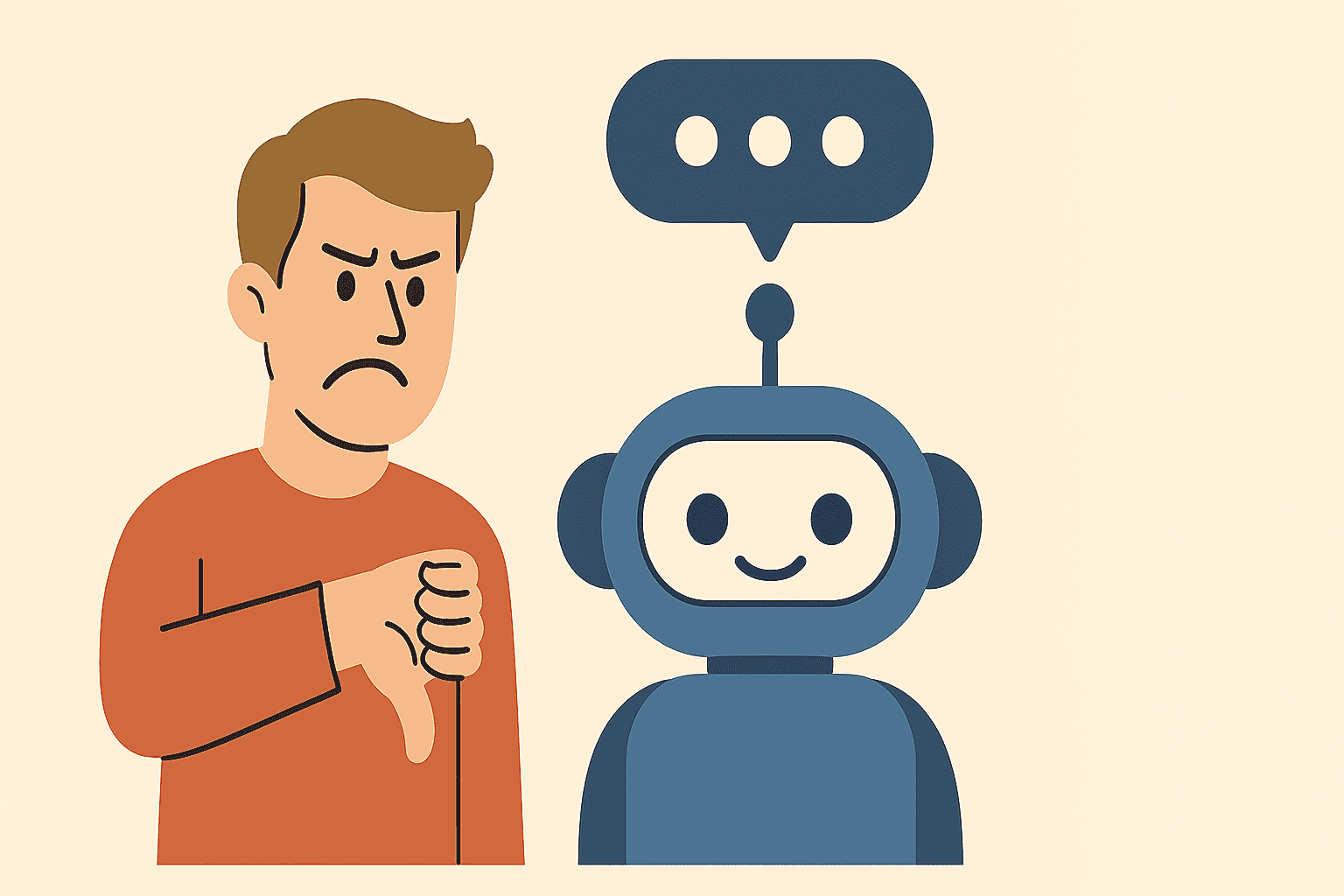
Top Reasons Users Like Or Dislike Chatbots
People who like chatbot support often mention how fast and easy it is to get quick answers without waiting on hold or digging through menus. It’s perfect for simple tasks like checking order status or store hours. Younger folks especially value this speed since they expect instant replies in many areas of life. But not everyone feels the same way. Many get annoyed when chatbots don’t understand their questions or repeat generic answers with no real empathy. This tends to bother older customers and women more, who prefer talking to a human.
Lower-income users worry chatbots might miss important details or fail to solve complex problems, so they’d rather speak directly with someone from the start. The best approach lets bots handle straightforward issues but quickly pass tougher ones over to live agents. Designing conversations that feel less robotic keeps chatbot fans happy while easing frustration for others.
Why Chatbots Fail And How To Make Them Work Better
Chatbots miss the mark when they don’t really get what users want. When a bot can’t take in the question or sticks too tightly to rigid answers, it feels like talking to a brick wall. That kills trust fast and pushes people toward human support.
It gets worse when chatbots can’t handle follow-ups or fail to notice when it’s time for a real person. Then users get stuck – or just ignored. I’ve seen bots give up completely once things get tricky, leaving customers more frustrated than helped.
What failed chatbot experiences have taught me is simple: don’t rely on automation alone. Let bots hand off chats smoothly, and keep training your AI with real conversations. Speed matters but so do empathy and flexibility.
Chatbot success depends on:
- Understanding different ways people ask questions without tripping up
- Quick, clear routes to live agents for complex issues
- Remembering previous talks so you’re not repeating yourself
- A tone that fits your brand – friendly yet straightforward
- Regular tweaks based on user feedback and behavior
People want answers fast but also someone who truly listens when things aren’t simple. Younger or tech-savvy folks might forgive bot glitches more easily, but most expect smooth help whether it’s from AI or an actual human.
Best Practices For Designing An AI Chatbot That Engages Users
When setting up an ai chatbot, start by knowing exactly what you want it to do and who you’re helping. Clear business goals keep your bot focused – whether that means answering common questions fast or guiding people through a purchase without frustration. Think about your users’ needs too: what problems are they facing? What tone fits best? This makes the chatbot feel useful instead of just another robotic wall.
Balancing automation with empathy is key. Your ai chatbot should handle quick tasks smoothly while still sounding warm enough to avoid pushing people away. If your brand stands for friendliness or trust, let that shine in how the bot talks and responds. Customers engage more when they feel like they’re chatting with someone who cares – not a cold machine.
Personalizing conversations changes everything. When your ai chatbot remembers past chats or tailors answers using user info, it shows attention to detail. Small moves like using someone’s name or offering choices based on their interests boost engagement and satisfaction.
Testing doesn’t stop after launch; it’s ongoing work to make your ai chatbot better over time. Pay close attention to how real users interact and spot where they get stuck or annoyed. Use those insights to tweak responses, improve flow, and add features that actually help instead of making things worse.
Building an engaging ai chatbot requires clear goals plus genuine care for user experience – and being ready to change as you learn from every interaction.
Avoid The Trap Of Personas Over People In Chatbot Design
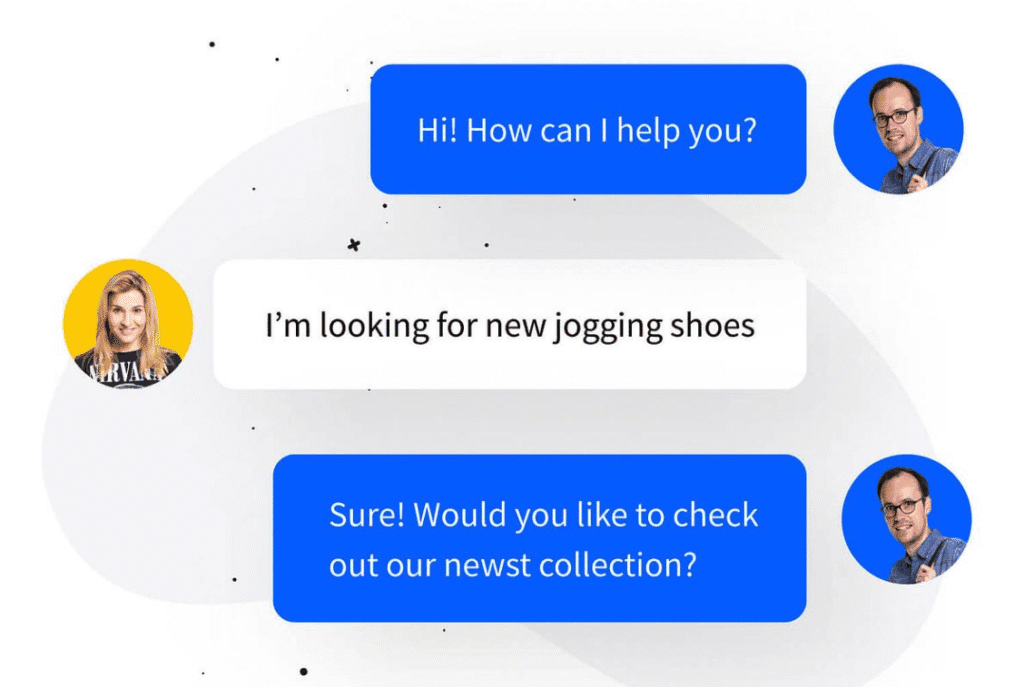
When building a chatbot, relying on generic personas often leads you astray. These broad user sketches fail to capture the real messiness and variety in customer needs. Picture a chatbot assuming everyone wants quick answers but missing that some users need more detailed explanations or reassurance during tricky problems. Without real feedback, your bot might push scripted options when someone just wants a straightforward chat, making interactions feel cold and off.
Bots built around neat personas flop because they don’t follow how customers actually move through their issues – from initial questions to final solutions. One business had a bot stuck asking the same question repeatedly since its persona didn’t consider users who’d already tried self-service; customers ended up feeling ignored.
Chatbots shaped by genuine user input adjust naturally: recognizing frustration, offering fast ways to reach humans, or shifting tone based on context. That shift makes conversations feel personal instead of robotic – and that keeps customers engaged and satisfied.
How Psychology Impacts Trust And Acceptance In Chatbots
Trust plays a huge role in whether people feel comfortable using chatbots. When bots respond too robotically or miss what someone really needs, frustration sets in fast. People expect chatbots to be clear about their limits – when that isn’t obvious, suspicion builds quickly. Transparency matters: if a chatbot openly shares what it can and cannot do and offers an easy way to reach a real person, users are more likely to stick around instead of bouncing out annoyed. Chatbots need human-like responses; when they sound cold or pushy rather than helpful and understanding, trust breaks down instantly. Even small touches like natural language or admitting when the bot can’t answer smooth out the interaction. The goal is making customers feel heard and respected – even through AI – which means designing chatbots that communicate honestly, avoid overpromising, and pass tough questions over without hesitation.
When Should A Chatbot Interrupt The Conversation
Interruptions in chatbot design go beyond random pop-ups – they need a clear purpose and timing. Bargability measures how willing users are to accept chatbot interruptions during their chat session. Too many or badly timed prompts get annoying fast, while the right nudge at just the right moment keeps things flowing.
Picture chatting with a helpful colleague who jumps in only when you really need guidance – not someone butting in after every sentence. A chatbot that knows when to step up feels supportive instead of pushy.
Interruptions work best when they guide users through tricky steps or offer quick choices before frustration kicks in. If someone hesitates on a form or types something confusing, a gentle prompt can save time without breaking focus.
On the flip side, constant pop-ups or random offers mid-conversation break concentration and turn people off quickly. Imagine trying to explain an issue while your bot cuts in with unrelated questions – that kills momentum.
User tolerance varies – some want more nudges, others prefer minimal interference. Loading conversations with too many prompts erodes trust faster than technical glitches ever could.
The key is balance: letting bots jump in enough so users feel supported but never overwhelmed turns chatbots from interruptions into genuine helpers.
How Chatbot Language And Expectations Shape User Experience
The way a chatbot talks shapes the entire experience for users. When language feels friendly and clear, people stick around and feel comfortable sharing questions or problems. If the chatbot sounds stiff, confusing, or full of jargon, folks quickly lose patience – they might give up before getting help.
Tone sets how someone feels while chatting. A warm and approachable style makes users feel understood even when talking to AI. Picture a chatbot saying: “Hey! I’m here to help you find exactly what you need.” That’s inviting compared to something like: “Please specify your query in detail,” which comes off cold or demanding.
Clear language cuts through tech talk that can confuse people. Instead of “Your request is being processed,” try “Got it! I’m working on your question now.” It sounds natural and keeps things smooth without being robotic.
Consistency matters too. If your brand is casual and friendly, your chatbot should always match that vibe – no sudden jumps into formal speech unless it fits naturally. This steady voice builds trust so customers know what to expect.
Choosing the right tone isn’t just about sounding nice; it shapes how people feel about your service from the first word they type.
Sources
- https://katanamrp.com/blog/customers-prefer-a-real-human-over-an-ai-chatbot/
- https://kinsta.com/blog/ai-vs-human-customer-service/
- https://www.zendesk.com/blog/ai-customer-service-statistics/
Leave a Reply