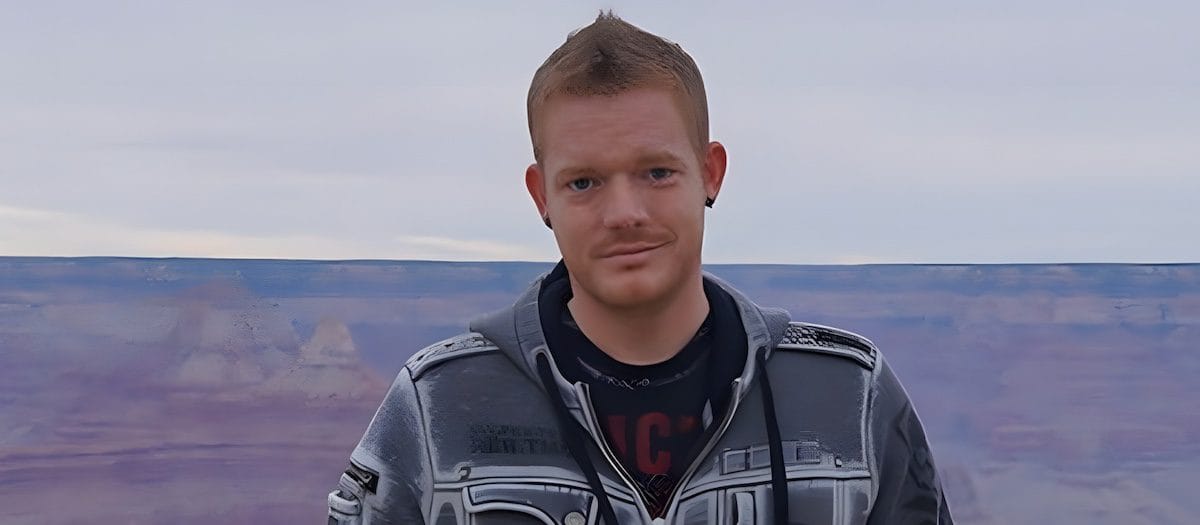
You don’t need a grand plan to start. Andrew “Redigit” Spinks began by tinkering with code after hours. He loved modding games and pushing them in odd directions just to see what happened. That hobby snowballed when he decided to make Terraria. He taught himself C# and worked in the early XNA framework, built scrappy prototypes, and shaped the core loop that defined the game: craft, explore, survive.
As the project grew, he brought a small team together at Re-Logic. The pitch was simple and direct from day one. You build, you fight monsters, you explore endless, procedurally generated worlds. It’s a 2D sandbox that invites curiosity fast, then keeps you hooked with depth.
They didn’t chase investors or quick wins. Independence mattered. Growth came from player interest, not big funding. Updates weren’t rushed patches, they were thoughtful drops built for long-term fun.
The shift from a modder tweaking pixels to the creator behind a world loved by millions carries a clear takeaway for indie devs. Start small. Learn as you go. Stay close to players. Keep shipping changes that make the game better over time. No secret map to lucky breaks – Just steady work and smart choices.
On this page
Re-Logic’s origin and early growth
Re-Logic started as two people. Andrew Spinks wrote the code. Whitney “Cenx” Spinks made the art. They worked with what they had and kept scope tight. As Terraria took off, they looped in friends like Jeremy “Blue” Guerrette and Jesse “Kazzy” Coonrod for community and content work. It felt like a small crew, not a formal studio.
They built on Microsoft XNA on Windows. It fit 2D, worked with their pixel art, and let them ship fast. Simple assets meant fewer tools to wrangle and fewer blockers. No pricey 3D models. No heavy animation pipelines. Updates went out often.
Launch-day bloat wasn’t the goal. The loop stayed focused: mine resources, craft gear, fight bosses. Tight systems made the world feel coherent, not messy. With the base game stable, new biomes and bosses rolled out in steady waves. Players kept finding new goals without the design turning into noise.
Hiring stayed careful. Full-time roles waited until the timing made sense. Specialists stepped in where needed. Composer Scott Lloyd Shelly delivered the soundtrack remotely long before the team grew in other areas. Costs stayed in check while quality climbed.
Growth followed a clear cycle. Sales fed free updates, updates sparked media coverage and word of mouth, and ports brought Terraria to more platforms without overloading the core team. That loop powered the Re-Logic origin story and growth.
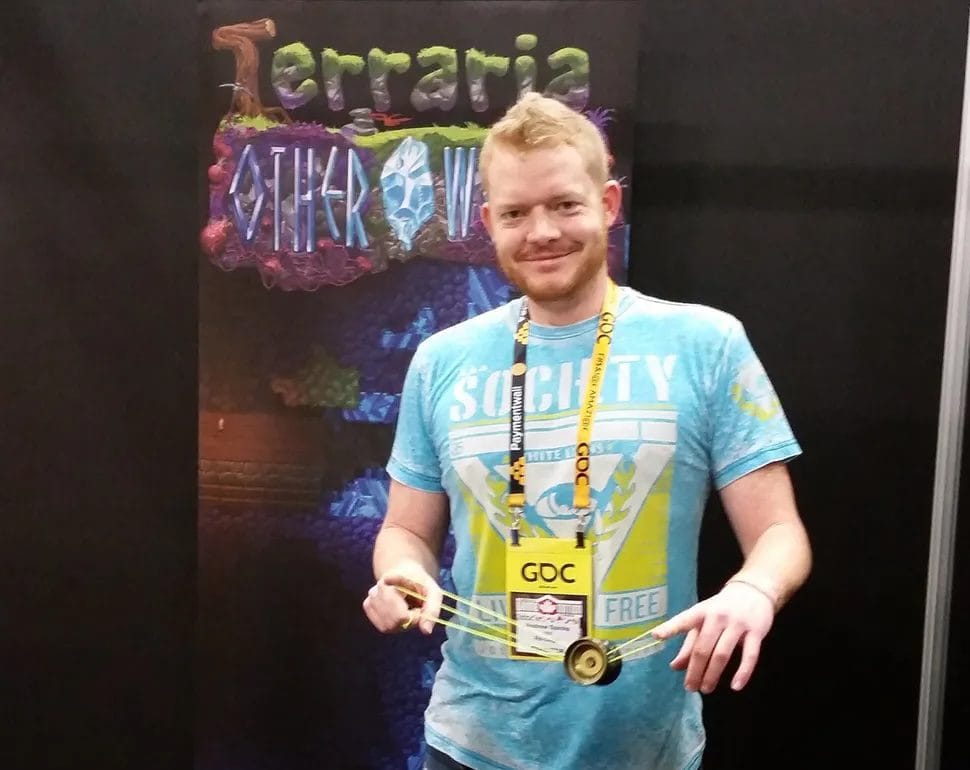
That loop deserves its own telling, which is what we do in the full account of how Terraria became successful.
The Terraria founder’s launch plan
Terraria hit at the same time interest in Minecraft was rising, but it stood out with 2D worlds and faster combat. Instead of copying the blocky sandbox leader, it offered clear boss progression that pulled players forward without piling on stress. The moment worked well, tapping into demand for new challenges while still feeling familiar.
A low Steam price made the first purchase feel safe. That small ask drew in curious players, and frequent post-launch updates turned them into fans who recommended it to others. Hype wasn’t the goal. Consistent value was.
Reach came from smart placement, not big ad spends. A Steam front-page slot helped, sure, but early keys to smaller YouTube creators sparked real interest in tight-knit communities. Those videos spread fast through word of mouth, and the audience grew from there.
Multiplayer wasn’t an afterthought. Co-op was there on day one so friends could jump in together. Shared sessions pushed more copies, raised concurrency, and gave groups a reason to stick around and chase bosses and loot.
Launch wasn’t flawless. The team shipped rapid patches in the first weeks, fixing crashes and adjusting balance before frustration set in. Players noticed. It showed strong commitment to smooth play from day one.
Key launch tactics:
- Low price point Lowered entry barriers and encouraged trial.
- Small/medium YouTube creators Seeded authentic discovery beyond big-name channels.
- Co-op multiplayer at launch Tapped social play that drives multiple purchases within friend groups.
- Steam front-page exposure Provided broad visibility without heavy spend.
- Rapid hotfix cadence Built trust through quick bug fixes and balance updates.
Inside Andrew ‘Redigit’ Spinks’ release decisions
You boot up Terraria, and something memorable should happen. That’s the heartbeat of Andrew Redigit Spinks’ approach. Every session aims to spark a story, whether you stumble into a brutal fight, dig up a rare find, or finally pull off a build that’s been in your head for days. It isn’t only about mechanics. It’s about moments you want to tell friends about before the day ends.
Spinks’ release plans follow the same idea. Instead of tossing everything at you or burying you in options, the game sets clear boss gates like Eye of Cthulhu and Skeletron. These milestones give you a path forward and prevent sandbox fog. You know the next challenge, so you don’t freeze up with too many choices.
You shaped the game too. Community threads on forums and the Terraria subreddit fed real features into development. Grappling hooks and new biomes came from patterns in those discussions, not random whims. Quality-of-life tweaks climbed the list when enough players pushed for them, turning scattered chatter into focused updates.
Monetization stayed plain and honest. No loot boxes, no sneaky paywalls that slow progress. Updates remained free for years, which respected your time and money. It built trust the slow way, through long-term value instead of quick cash.
The team showed restraint after launch. Flashy items that crowd attention got cut if they messed with pacing or broke the satisfaction loop. Balance took priority. Saying no kept the core experience tight, rewarding, and worth coming back to. This steady hand explains Andrew Redigit Spinks thoughts behind release and why the game still hooks you today.
Terraria’s early reception and reviews
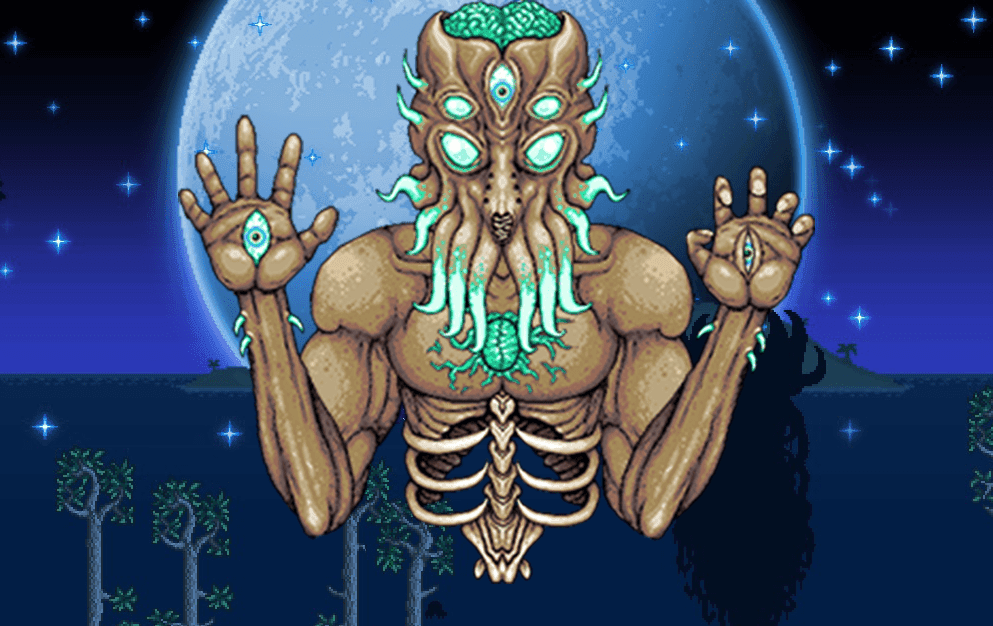
Launch-week buzz spread fast on Steam as big creators posted videos and pulled huge audiences. You saw day-one player counts spike, then early reviews roll in calling Terraria “deep for the price” and a more combat-heavy twist on the block-building formula. That language stuck. The team leaned into it in later marketing, which drew even more curious players.
Press coverage backed that story up. PC Gamer and Rock Paper Shotgun highlighted the mix of exploration and boss fights, and treated it like its own thing instead of a Minecraft copy. Those pieces helped you judge it on its strengths, not someone else’s template.
Holiday updates kept interest high long after release. Halloween brought spooky drops. Winter updates added festive gear. Each event pulled old players back, sparked fresh coverage, and gave communities a reason to regroup.
Ports didn’t feel like quick jobs. On mobile, touch controls felt natural. On consoles, remapped inputs fit the controller. You could jump between platforms and it still felt right. App store ratings climbed as these versions matured.
Milestones went public, not private. Sales numbers posted on Steam and social feeds acted as proof for new buyers and fed recommendation systems. Momentum built on itself.
Media coverage highlights:
- Major outlets praised the exploration-plus-boss-fights hook
- Articles positioned Terraria apart from Minecraft-style clones
- Seasonal events boosted retention again and again
If you’re looking into Terraria early reviews and reception, that mix of creator hype, press framing, steady updates, strong ports, and open sales figures explains why interest didn’t fade.

A Terraria marketing plan indie devs can copy
Skip big ad spends and chase something steadier. Study how Terraria built a loyal audience with a simple message, tight scope, and steady updates. Start by boiling your game into a short, sticky one-liner. Twelve words max. It should tell players exactly why your game stands out. Andrew Spinks used “build, fight, explore.” Plain, direct, and easy to remember.
Keep launch small so you polish the core loop. Ship what’s tight, then roll out a planned stream of updates. Share a public schedule and stick to it. Players learn to expect drops, and trust grows when dates don’t slip.
Reach out to mid-sized YouTubers and Twitch streamers who already love your genre. Don’t chase the biggest channels. Send demo keys and a short feature list so creators know what to show. That prep turns awkward previews into real coverage.
If co-op fits the vision, make it stable on day one. Smooth party play nudges groups to buy together and return often. Social sessions push playtime and sales without extra ad spend.
Treat feedback like a core feature. Open a forum or board where ideas and issues live in public. Post monthly reports comparing player requests with shipped work. Clear follow-through builds loyalty even when a request gets a “not now.”
Momentum here comes from repeatable habits, not luck. Simple pitch, scoped launch, creator outreach, working co-op, transparent updates – Woven together they lift every phase of the campaign.
Action Steps For Your Indie Game:
- Write a 12-word hook that explains the core appeal so friends repeat it.
- Find 50 mid-tier creators in your niche, send timed demos, and highlight key features.
- Publish a six-update roadmap with QoL fixes, new areas or content drops, and seasonal events.
- Ship stable co-op if it fits, then track party purchases versus solo to prove impact.
- Open a public feedback hub and post monthly “what we shipped vs what we heard.”
Choose steady, smart habits over quick hits. Build real relationships, and the revenue follows. Now draft your hook, or outline your first creator list and outreach message.



Leave a Reply