
Being a founder with handicap means stepping into business while handling challenges most don’t face. It’s about showing new ways to think and work. Disabilities don’t limit entrepreneurship at all. Take Satoshi Tajiri, creator of Pokémon – his unique view built something millions love.
Disabilities vary widely – from mobility issues to invisible ones like autism or hearing loss – and founders with handicap are breaking ground across every field. The rate of disabled entrepreneurs is higher than many realize, proving determination isn’t tied to ability alone.
The world is slowly opening up business spaces to be more welcoming, not just because it’s fair but because fresh perspectives spark innovation. Supporting founders with handicap builds stronger communities where everyone gains.
On this page
- Famous Handicapped Entrepreneurs Who Inspire Success
- Successful Handicapped Tech Startup Founders
- Disabled Entrepreneurs Success Stories Overcoming Obstacles
- More Than 20 Percent Disabled Entrepreneurs Are Innovators
- Support For Disabled Entrepreneurs Building Strong Networks
- Funding Opportunities For Disabled Entrepreneurs And Startups
- Assistive Technology Loans Empower Entrepreneurial Growth
- Plan To Achieve Self-Support PASS Program Explained
Famous Handicapped Entrepreneurs Who Inspire Success
Famous handicapped entrepreneurs light the way for many others, proving disabilities don’t hold you back from making a big impact or building something meaningful.
- Temple Grandin reshaped livestock handling with her deep understanding of animal behavior – her autism gave her insight most lack. Satoshi Tajiri’s childhood passion for collecting bugs and his autism experience led to creating Pokémon, a global phenomenon still going strong.
- Anthony Hopkins overcame dyslexia and personal struggles to become one of the greatest actors alive while also producing and directing. Dan Aykroyd turned his Tourette syndrome into fuel for creativity in comedy and business ventures like Crystal Head Vodka.
- Chris Packham channels Asperger’s as strength, championing nature conservation through media and writing that mixes passion with purpose. Anne Hegerty uses the sharp mind shaped by autism to become one of Britain’s top quiz champions and TV faces.
- Dr. Vernon Smith fought hearing loss to win the Nobel Prize in Economics with experimental economics and market theory insights.
These stories show how unique experiences didn’t limit these founders – they carved paths only possible because of their differences. Their achievements aren’t just fame; they bring fresh thinking that drives real change.
Successful Handicapped Tech Startup Founders
Handicapped startup founders are shaking up the tech world with fresh ideas and unique problem-solving skills. Their different viewpoints turn challenges into opportunities that drive technology forward in surprising ways. These founders prove that limitations don’t block innovation – they often ignite it.
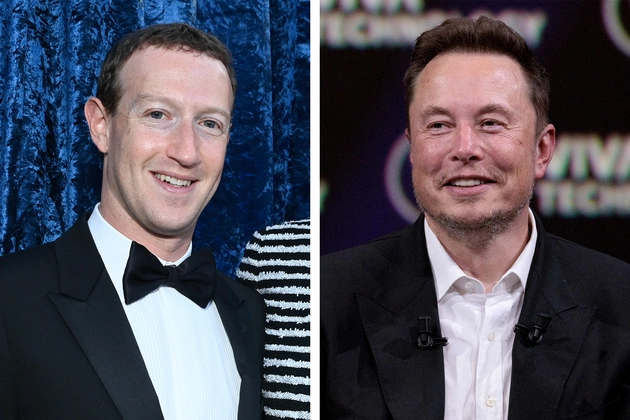
- Elon Musk offers a prime example. Though not always talked about, he’s mentioned living with Asperger’s syndrome, a type of autism spectrum disorder. His ability to hyper-focus on tough problems pushed Tesla and SpaceX toward game-changing breakthroughs in electric cars and space travel despite intense odds.
- Mark Zuckerberg also teaches us a lot. Diagnosed with prosopagnosia, or face blindness, he created Facebook to connect people worldwide – likely influenced by his own struggles recognizing faces and social signals. This challenge gave him a fresh take on building social networks through technology.
Neurodiversity is vital because it values minds working differently instead of forcing everyone into one mold. Conditions like autism or ADHD bring creativity, pattern recognition, and out-of-the-box thinking – key ingredients for tech startups.
For fellow founders watching these stories unfold: focus on your strengths while adjusting around hurdles rather than battling them directly. Progress happens when you use what makes you different as fuel – not something hidden away.
Disabled Entrepreneurs Success Stories Overcoming Obstacles
More than 20% of disabled people take the plunge into entrepreneurship, showing a powerful drive to build something their own way despite hurdles. These disabled entrepreneurs success stories teach grit, creativity, and self-advocacy every founder needs.
- Take Tim Harris – born with Down syndrome, he started a restaurant where everyone’s welcome and staff includes people with disabilities. Tim didn’t let others define his limits; instead, he focused on what mattered most to him – connecting with customers and running a business that shatters stereotypes about ability.
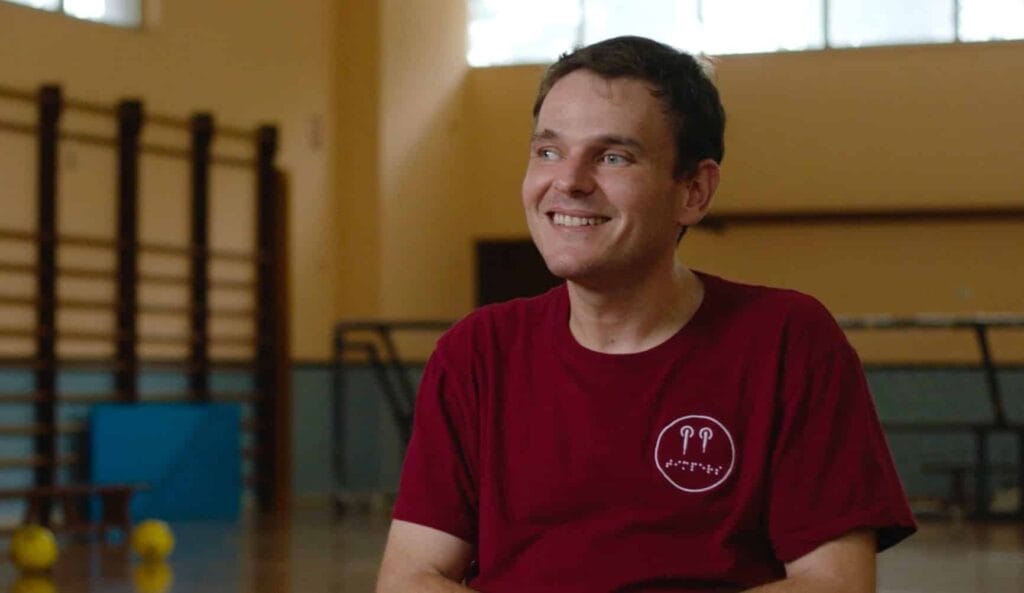
- Diego Soliveres lost his sight but launched multiple startups in tech anyway. He didn’t just adjust tools; he advocated fiercely for himself when seeking investors who believed in his vision beyond disability.
- Stephen Hawking is known for science, yet few realize how much physical limitation shaped his path. Diagnosed with ALS early on, he used technology not only to communicate but also to push physics forward. His story shows challenges can spark innovation alongside determination and support networks.
What ties these journeys together is powerful self-advocacy – speaking up clearly for your needs while locking onto your goals changes everything. Whether it means finding resources or educating others about your strengths, this mindset turns obstacles into stepping stones toward lasting success.
More Than 20 Percent Disabled Entrepreneurs Are Innovators
More than 20 percent of disabled entrepreneurs show something powerful: these founders don’t just launch businesses – they bring fresh solutions that change far beyond their own stories. The innovations from this group prove they aren’t waiting for change; they’re driving it. Some create apps that boost accessibility in tech everyone uses, while others craft products fitting needs most overlook.
Think of Satoshi Taijiri, the creator of Pokémon, whose unique perspective fueled one of the biggest gaming hits ever. Or Temple Grandin, whose ingenious designs reshaped animal handling and showed how thinking differently leads to real breakthroughs. Founders like these turn challenges into original ideas and new paths forward.
If you’re facing your own hurdles, let their success inspire you: your unique view isn’t just a hurdle – it’s a source of strength to build something meaningful. Your innovation can not only serve you but reshape industries and communities alike.
Support For Disabled Entrepreneurs Building Strong Networks
Support for disabled entrepreneurs changes everything when you’re building a business. Having someone who gets the unique challenges firsthand makes a real difference. Governments, nonprofits, and business groups now offer more spaces where founders with handicap don’t feel invisible or stuck.
Mentorship programs often connect you with folks who’ve been there – founders navigating similar journeys. And those grants tailored for handicapped startup founders go beyond just cash; they open doors that once seemed closed.
Companies focused on inclusivity also matter. They create environments where disabled entrepreneurs thrive and encourage hiring people with different abilities.
Strong networks aren’t only about resources – they boost confidence and bring fresh ideas from shared experiences. Leaning on each other shrinks obstacles quickly because nobody’s forging ahead alone here.
Mentorship And Online Communities For Disabled Founders
Support for disabled entrepreneurs often comes down to mentorship and online communities that genuinely get it. Having someone who’s faced the same hurdles can push you from feeling stuck to finding practical solutions. Digital platforms make those connections easier than ever, no matter where life takes you.
Founders with handicap gather online, swapping tips on everything from pitching investors to handling accessibility in product design. These spaces provide straightforward advice mixed with real encouragement. I’ve seen how joining these groups sparks new ideas and opens doors that once felt completely shut.
What makes these networks stand out are the ongoing conversations – honest stories about wins and setbacks – that slowly build your confidence and sharpen your decisions. This kind of support doesn’t just hype you up; it gives you the insight needed to grow steadily.
Funding Opportunities For Disabled Entrepreneurs And Startups
Finding funding opportunities for disabled entrepreneurs can feel like unlocking a new level in the game of building your business. There are grants made just for founders with disabilities, competitions that celebrate inclusive innovation, accelerators welcoming diverse startups, and investors who value different perspectives.
When seeking funds at first, it became clear it’s not only about having a great idea but showing how your unique experience shapes your vision and solves real problems. Grants require clear impact statements explaining what sets you apart and why support matters. Competitions want stories that connect emotionally while proving market need.
Accelerators targeting inclusivity don’t just hand out money; they guide founders through growth with mentorship focused on handling accessibility challenges. Investors here look beyond numbers – they seek founders ready to build lasting partnerships based on trust and transparency.
Research programs carefully to find those aligned with your mission. Prepare documents thoughtfully – craft a pitch deck and impact narrative highlighting both business potential and personal story. Reach out early with questions before applying. Follow up politely but persistently; staying engaged shows dedication without being pushy.
Assistive Technology Loans Empower Entrepreneurial Growth
Assistive technology loans open doors for entrepreneurs needing specialized tools to run their businesses smoothly. These loans cover costs for devices or software that make everyday tasks easier, leveling the playing field and boosting productivity.
From screen readers and speech recognition programs to adaptive keyboards and hearing aids, assistive tech supports business activities like communication, data entry, customer service, and marketing by tailoring environments to individual needs.
A great example is a design studio led by a founder with limited mobility who used an assistive tech loan to invest in voice-controlled software. This helped manage projects more efficiently without physical strain, speeding up delivery times and keeping clients happier.
Applying for these loans works best when you clearly explain how specific technologies will improve your workflow or expand your market reach. Pairing this with examples of expected results strengthens your case. Once you get access, integrating these tools daily takes some trial – tweaking settings or mixing apps – to truly maximize what they offer.
Plan To Achieve Self-Support PASS Program Explained
The plan to achieve self-support PASS program offers powerful support for entrepreneurs with disabilities aiming to build or grow their businesses. It lets you set aside money and resources for work goals without risking your Social Security benefits – crucial when covering startup costs or investing in assistive technology.
You qualify if you’re receiving Supplemental Security Income (SSI) and have a clear goal showing how funds will help you reach financial independence. The application requires a detailed plan about what you want to do, the costs involved, and your timeline for success. Approval depends on proving that your idea is realistic and directly helps improve your ability to support yourself.
Jennifer’s story stands out: diagnosed with multiple sclerosis, she used PASS to save for assistive tech and marketing her freelance writing business. This helped her steadily grow clients while keeping her SSI intact – a tricky balance many handicapped founders face.
Think of the PASS program as part of your bootstrapping toolkit rather than a one-time fix. Combining it with mentorships or grants aimed at disabled entrepreneurs builds momentum from different angles. Keeping careful records of expenses covered by PASS is key during growth phases.
Using PASS daily – for buying gear or attending workshops – turns potential roadblocks into stepping stones toward lasting independence.
Leave a Reply