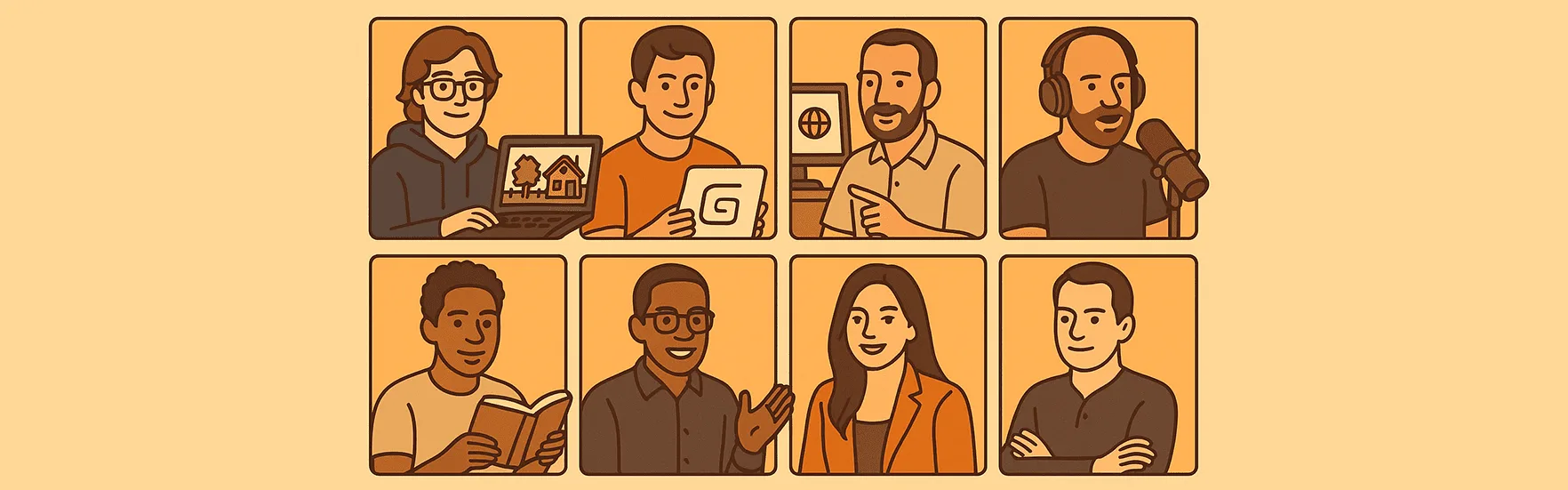
Some of the best solopreneur success stories started with just a simple idea and endless determination. Markus Persson, or Notch, created Minecraft from his bedroom before it blew up into a gaming giant. His journey proves you don’t need a big team to build something massive – focus and passion can carry you far.
Eric Barone built Stardew Valley entirely on his own, spending years perfecting every detail. His experience shows patience can beat speed; slow-growing meaningful work outlasts quick launches. Sahil Lavingia stands out too, turning Gumroad into an essential creator platform without rushing for outside funding.
What’s inspiring about these solopreneurs is how they all began small but stayed flexible. Wearing many hats and picking up new skills fast kept them moving forward. Success comes not from sudden wins but steady effort paired with smart decisions.
Other notable names include Pieter Levels who crafted multiple niche products solo, Pat Flynn famous for honest online business advice, Joe Rogan’s rise through podcasting alone, Courtland Allen’s indie approach with Indie Hackers, Sophia Amoruso building empowerment through Nasty Gal and Girlboss, Justin Jackson mastering SaaS solo rides – and of course Tim Ferriss, my personal favorite solopreneur who turned life hacking into an empire.
These founders embody what By Solopreneurs stands for: clear vision mixed with real-world hustle that any of us can learn from.
On this page
- Top Solopreneur Success Stories and How They Started
- Solopreneurs You Might Know and Their Best Achievements
- Hyped Solopreneurs and Fresh Trends in the Solo World
- They Changed Tech Business and Media
- Why Tim Ferriss Stands Out as My Favorite Solopreneur
- Top Solopreneurs Examples to Inspire Your Journey
- Modern Icons Most Successful Solopreneurs Today
- Famous Solopreneurs From Tech to Creative Industries
- How to Join the Ranks of Notable Solopreneurs
Top Solopreneur Success Stories and How They Started
Solopreneurs come from all kinds of backgrounds but share one thing – a fierce drive to build something on their own terms. From indie game creators to educators working online, these founders start with little more than grit and creativity, turning small ideas into amazing results.
Markus Persson
Known as Notch, built Minecraft in his spare time while juggling other jobs. He faced the challenge of turning a personal passion project into a full business without losing control of his vision.
Eric Barone, aka ConcernedApe
He spent years developing Stardew Valley entirely solo. Taking on art, music, and programming himself was tough but it paid off when the game became a massive hit.
Sahil Lavingia
He launched Gumroad so creators could sell directly to fans without needing funding from investors. His early days involved building trust while running everything alone.
Pieter Levels
Pieter made niche sites like Nomad List by wearing every hat – from coding to marketing – learning as he went.
Pat Flynn
Pat shared honest advice after being laid off. Battling self-doubt turned him into a trusted voice on making passive income work for real people. Balancing countless tasks at once – writing code one moment and handling customer support the next – is what makes many solopreneurs different. The slow grind tests patience; rushing only leads to burnout or wrong turns.
Joe Rogan
Joe’s rise through podcasting and Sophia Amoruso growing Nasty Gal show how personal branding combined with persistence can open doors beyond traditional routes.
Justin Jackson
Justin’s focus on SaaS proves niching down is powerful even solo.
Tim Ferriss
He stands out as my personal favorite. He transformed lifestyle experiments into bestselling books and top podcasts that changed how we think about work itself – showing solopreneurship goes beyond products to ideas that shift entire mindsets.
Solopreneurs You Might Know and Their Best Achievements
- Markus Persson, better known as Notch, changed gaming with Minecraft. He designed and programmed the entire blocky world alone, sparking a new genre of sandbox games. His personal brand reflects his passion for putting players first.
- Eric Barone, or ConcernedApe, spent years building Stardew Valley by himself. Handling everything from art to music gave the farming simulator its unique charm and deep focus.
- Sahil Lavingia started Gumroad to help creators sell directly without needing big investors. His story connects with solopreneurs who want full control over earnings and decisions.
- Pieter Levels made niche websites like Nomad List for remote workers and digital nomads. Doing coding, marketing, and support solo proved how lean operations can succeed online.
- Pat Flynn turned job loss into an honest platform about passive income streams. His transparency sparked trust and motivated many to pursue side hustles smartly.
- Joe Rogan’s podcast grabbed millions by mixing raw conversation with curiosity. Starting small without fancy gear shows how authenticity wins audiences now.
- Courtland Allen created Indie Hackers so solo founders could openly share stories – building community with real entrepreneurial transparency.
- Sophia Amoruso grew Nasty Gal from an eBay vintage shop into a fashion giant before launching Girlboss media, empowering women entrepreneurs worldwide.
- Justin Jackson found success focusing on SaaS products in specific markets; his discipline proves niching down helps solopreneurs compete even against larger teams.
- Tim Ferriss shines beyond bestselling books with podcasts that question traditional work styles. His lifestyle design experiments inspire rethinking productivity – and he’s my personal favorite solopreneur.
These solopreneurs offer more than inspiration – they bring lessons learned on their solo paths. Each shaped industries by trusting their vision and pushing forward alone.
Hyped Solopreneurs and Fresh Trends in the Solo World
A hyped solopreneur grabs attention fast by mixing creativity, tech skills, and a strong personal brand. These founders don’t just build products; they become voices that shape new ways of working solo. Their hype comes from tapping fresh markets or riding emerging waves before others catch on.
Look at digital artists using NFTs to sell unique pieces without galleries. They’re changing how art reaches buyers directly online, turning pixels into profit on their own terms. Solo developers launch apps built with AI tools, speeding up coding while staying lean.
Social media is huge here – platforms like TikTok and Instagram quickly spotlight creators. Short videos showing behind-the-scenes work or quick tips pull viewers in, making followers feel part of something fresh.
Right now, the buzz grows around automating tasks like design, marketing, or customer support with AI; building personal brands through consistent storytelling; creating exclusive communities via newsletters or Discord servers for direct fan engagement; selling digital goods such as courses and templates tailored to niche groups; and livestreaming product demos to answer questions instantly and build trust faster than ads.
This blend of technology and authentic human connection sets hyped solopreneurs apart today. Watching them use tools creatively often reveals which industries will boom next. Jumping in means watching social trends closely while sharpening your unique voice.
Many famous solopreneurs offer great examples: Markus (Notch) Persson created Minecraft solo and changed gaming forever. Eric Barone (ConcernedApe) developed Stardew Valley from scratch, proving one person can make an indie hit that stands out worldwide. Sahil Lavingia launched Gumroad to help creators sell directly – a game changer for indie businesses.
Pieter Levels built multiple successful websites solo – like Nomad List – that attract thousands weekly by focusing on remote work culture early on. Pat Flynn turned blogging into a thriving business teaching smart passive income methods people still follow today.
Joe Rogan became a massive podcast figure championing independent thinking with huge reach but stayed self-made all the way through his career path’s ups and downs. Courtland Allen grew Indie Hackers into a community where founders share honest stories about bootstrapping success – it’s raw yet inspiring every time.
Sophia Amoruso started Nasty Gal from eBay sales then pivoted it into a fashion empire before writing #GIRLBOSS that sparked millions wanting more female founder role models. Tim Ferriss is my personal favorite: he redefined lifestyle design with “The 4-Hour Workweek” and kept pushing boundaries in books, podcasts, investing – all full-on solo style.
Justin Jackson focuses on building software startups quietly but effectively – with transparency about what worked along the way – and has created loyal audiences around meaningful launches.
These top solopreneurs prove blazing your own trail combines vision plus deep grit plus learning curves nobody talks much about upfront but pay off big eventually.
👉 Considering reading: How To Become a Solopreneur
They Changed Tech Business and Media
Markus Persson, known as Notch, changed gaming by creating Minecraft all on his own. He turned a simple block-building idea into a worldwide hit without big studios backing him. Balancing development with rising demand was tough, but he leaned on online communities to spread the word and gather early feedback.
Eric Barone, or ConcernedApe, built Stardew Valley solo – handling art, music, coding, and story. His deep focus gave the game its charm but took years of intense work without help. Steam helped him reach millions directly, proving indie creators can thrive without publishers.
Sahil Lavingia launched Gumroad to make selling easier for creators who want control over their work and money. Doing it alone meant juggling product design, support, marketing – all while resisting pressure to take outside funding early. Smart social media use boosted trust among independent artists and writers.
Pieter Levels made niche sites like Nomad List by combining lean startup methods with automation tools. Running everything required sharp time management and constant learning across web tech and community building – a solid example for digital solopreneurs wanting to scale solo.
Pat Flynn turned personal setbacks into an honest business teaching passive income strategies that resonate widely today. Sharing failures openly built real connections through blogs and podcasts alike. Email newsletters kept his audience engaged consistently while growing organically.
Joe Rogan’s podcast blew up thanks to genuine conversations mixed with curiosity-driven content that felt fresh compared to traditional media formats. He started small with basic gear before reaching mass popularity; this DIY path inspires many in audio content creation.
Courtland Allen founded Indie Hackers as a space where founders share raw stories about building startups solo – breaking down isolation often felt by solo founders. The platform’s growth proves peer networks are vital when navigating entrepreneurship alone.
Sophia Amoruso grew Nasty Gal from an eBay vintage shop into a major fashion brand using grit combined with smart online marketing ahead of her time. Launching Girlboss media later extended her impact beyond products into empowering women entrepreneurs worldwide through storytelling and events.
Tim Ferriss blends experimental lifestyle hacks with practical productivity advice in books and podcasts influencing how people work smarter today. His hands-on testing mindset plus clear communication makes complex ideas accessible – that’s why he’s my personal favorite solopreneur here.
Justin Jackson builds SaaS products targeting specific audiences while openly sharing lessons via blogs and webinars – gaining loyal followers focused on real-world advice instead of hype or shortcuts.
Why Tim Ferriss Stands Out as My Favorite Solopreneur
Tim Ferriss made his mark by flipping old ideas about work and success upside down. With his breakout book “The 4-Hour Workweek,” he proved that working smarter, not longer, can get the job done. He showed how automation, outsourcing, and smart lifestyle design open up time without holding back business growth.
Beyond writing, Tim hosts popular podcasts where he chats with top guests from all kinds of fields. He shares real tips on productivity, health hacks, investing, and personal growth – no fluff, just tested ideas anyone can use to rethink their daily habits or balance between work and life.
What really stands out is how openly he talks about failure alongside wins. His honest stories feel like advice from a fellow founder instead of some untouchable guru.
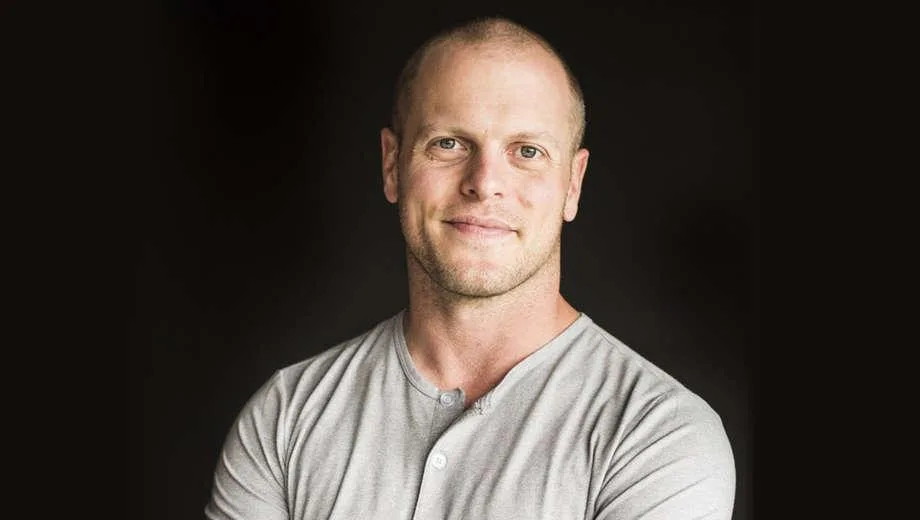
For me personally, Tim’s story hits home because it blends big-picture vision with practical tactics solopreneurs need: staying focused amid distractions, managing energy rather than clocking hours, and having the guts to question “how things have always been done.” His mindset pushes new solopreneurs to crack molds while keeping one foot in reality.
His influence goes beyond products or platforms – it shifts what being a solopreneur means today.
Top Solopreneurs Examples to Inspire Your Journey
Here’s a quick look at some top solopreneurs who started solo and made big waves:
Markus (Notch) Persson created Minecraft by sticking to his clear vision, showing the power of focus.
Eric Barone, also known as ConcernedApe, developed Stardew Valley with tons of patience, proving that quality work pays off over time.
Sahil Lavingia built Gumroad by taking control of his own growth path without relying on outside forces.
Pieter Levels launched Nomad List and other projects by wearing many hats and learning fast along the way.
Pat Flynn grew Smart Passive Income through transparency that builds genuine trust with his audience.
Joe Rogan’s podcasting success shows how authenticity grabs people’s attention and keeps them coming back.
Following their blogs or channels keeps motivation high because they share honest updates about struggles and wins anyone trying this path will get. They remind us all that setbacks are part of the deal.
The biggest takeaway from these famous solopreneurs is simple: focus on what you love, be open to learning every day, and accept failing as a step forward. Success doesn’t happen overnight – it’s built bit by bit with persistence and smart moves. Tim Ferriss remains my personal favorite, consistently blending practicality with inspiration.
Modern Icons Most Successful Solopreneurs Today
Looking at famous solopreneurs you might know, their strength isn’t just in early wins but how they keep adapting. Markus (Notch) Persson forever changed gaming with Minecraft; even after stepping back, his vision set the bar for solo creators everywhere. Eric Barone (ConcernedApe) keeps Stardew Valley alive by updating thoughtfully and building deep connections through patience.
Sahil Lavingia grew Gumroad by focusing on community and usability instead of flashy growth tricks. Pieter Levels built Nomad List and Remote OK, riding the wave of remote work trends while staying fully solo. Pat Flynn’s honest style around passive income continues to inspire people looking for reliable side hustles amid uncertainty.
Joe Rogan runs one of the biggest podcasts by keeping conversations raw and real – showing that authenticity beats polish every time. Courtland Allen created Indie Hackers as a space where solopreneurs connect over shared struggles, proving community matters when flying solo.
Sophia Amoruso went from fashion entrepreneur to media influencer who empowers women founders worldwide; her pivot shows personal branding can be more powerful than products alone. Justin Jackson quietly crafts niche SaaS tools while sharing lessons openly, making transparency a must-have currency among today’s solopreneur crowd.
Tim Ferriss stands out because he never stops experimenting – from books to podcasts to investing – and always shares honestly with his audience. That ability to shift gears without losing core values makes him my personal favorite example of modern solopreneurship thriving well beyond initial breakthroughs.
What sets these notable solopreneurs apart is how they keep learning and adjusting based on feedback and changing markets. These top solopreneurs blend passion with flexibility while aiming for long-term impact rather than chasing quick wins.
Famous Solopreneurs From Tech to Creative Industries
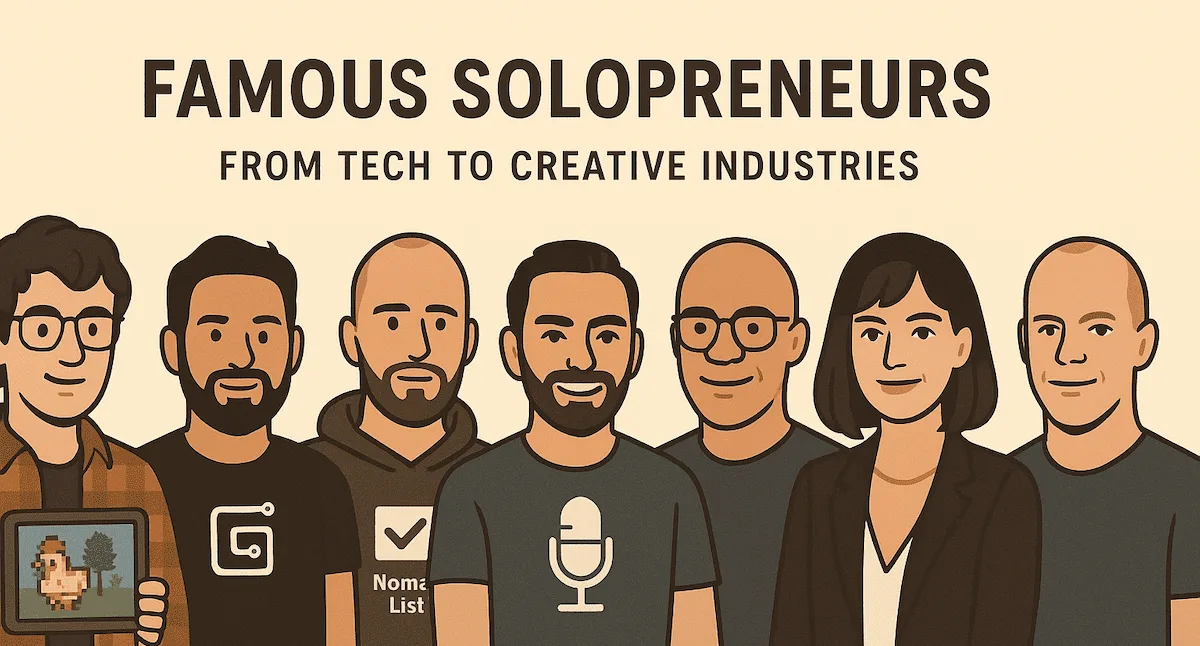
Solopreneurs who’ve made a mark come from all angles – tech pioneers like Markus (Notch) Persson and Eric Barone, media stars such as Joe Rogan and Pat Flynn, and creative powerhouses like Sophia Amoruso. Each carved their own path, shaped by their industries but united by solo drive.
Markus Persson built Minecraft alone before it blew up into a global hit. His tech approach focused on creating something huge with minimal resources but massive appeal. Eric Barone spent years on Stardew Valley, handling coding, art, and music himself. These examples prove deep focus on product quality can lead to lasting success without big teams or budgets.
Joe Rogan’s journey is different but just as inspiring. From simple recording gear to one of the most popular podcasts ever, he rides on real conversations and raw curiosity. His business thrives on authenticity and audience loyalty instead of flashy ads everywhere. Pat Flynn turned personal setbacks into a platform teaching smart passive income through blogs and podcasts. His honest approach builds trust that creates strong communities.
Sophia Amoruso started selling vintage clothes online before growing Nasty Gal into a fashion force by marketing with heart and building a brand that empowers women entrepreneurs worldwide. Her story shows how personal branding tied closely to community works especially well when emotional connection matters deeply.
Looking at these journeys highlights why solopreneurship isn’t one-size-fits-all: tech founders lean heavily on innovation mixed with user feedback; media creators win through genuine engagement plus consistent content; creatives use story and identity to build loyal followings around lifestyle or culture.
What ties them together is relentless self-reliance paired with quick learning while staying true to what makes their work unique. Watching solopreneurs like Tim Ferriss – my personal favorite – and others proves the solo route can thrive when passion meets persistence.
How to Join the Ranks of Notable Solopreneurs
Starting as a solopreneur means getting comfortable with uncertainty and trusting your own vision. Markus Persson (Notch) and Eric Barone showed this by experimenting, failing, adjusting, and pushing forward before landing their hits.
Carve out your unique space by building a personal brand. Sharing your story honestly like Pat Flynn or Joe Rogan pulls people in far better than polish ever will.
Early on, wear many hats – coding one day, customer support the next – just like Pieter Levels did while handling every part of his projects solo. It’s tough but sharpens skills you’ll rely on.
Find communities where others walk the same path. Indie Hackers, started by Courtland Allen, offers open conversations about real struggles without sugarcoating things.
Mentorship plays a huge role; seek chances to learn directly from experienced solopreneurs or join forums where advice flows freely.
Podcasts by Tim Ferriss are packed with practical insights around productivity and lifestyle design that help balance work with life demands – I consider him my personal favorite solopreneur for exactly this reason.
Launching your journey means picking an idea you care about deeply, testing it fast to gather feedback, then iterating quickly while keeping costs low. Justin Jackson’s focus on niching down SaaS products proves sharp focus beats broad scattershot efforts every time.
Persistence matters most. Learning openly from failures and wins brings you closer each day to those famous solopreneurs who inspire us all – including Sahil Lavingia, Sophia Amoruso, and other notable founders shaping what it means to build alone.


Leave a Reply