
Launching a successful release on Steam means understanding the platform and its crowd. Millions of gamers, from casual to hardcore, are always exploring new games. Every day brings tons of indie titles, so great gameplay alone isn’t enough – your game has to grab attention quickly.
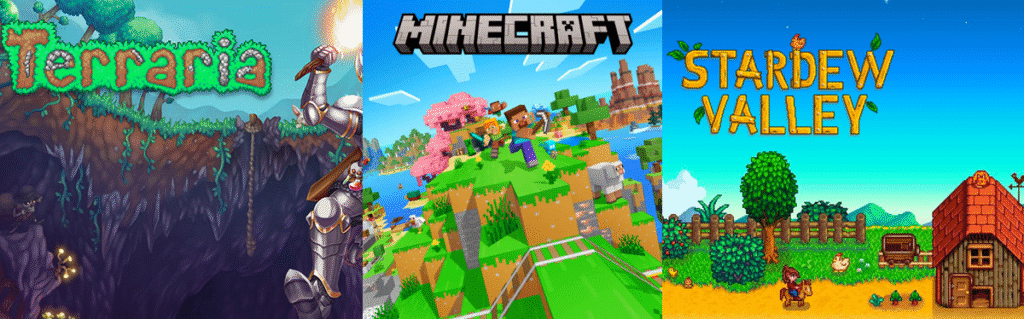
Take hits like Terraria, Stardew Valley, Minecraft, or Hollow Knight. Each one offers something unique: Terraria’s vast exploration, Minecraft’s creative sandbox, Hollow Knight’s stunning art and solid mechanics. Their success wasn’t luck; their creators found that special spark that made players curious.
There’s no perfect formula for a Steam hit. Many great games vanish in the noise or never reach their audience. Staying realistic with goals helps avoid disappointment – steady growth beats overnight fame.
Standing out means crafting visuals that stick and gameplay that feels fresh but familiar enough to hook players fast. Planning ahead is key: think hard about how your game fits this crowded market and pair it with clever marketing right from the start.
👉 Consider reading Why Stardew Valley Became so Popular
On this page
- Top Indie Game Development Tips For Steam Success
- Step By Step Guide To Release Your Indie Game On Steam
- Create A Game Steam Players Actually Want
- How To Describe And Pitch Your Indie Game
- Build An Indie Game Marketing Funnel That Works
- Networking For Indie Developers
- Optimize Your Steam Page
- Get More Indie Game Wishlists Using Festivals And Social Media
- Manage Your Indie Game Post Launch For Long Term Success
Top Indie Game Development Tips For Steam Success
Gameplay quality plays a massive role in successful indie game release on Steam. Hollow Knight proves how tight controls and smooth mechanics keep players hooked and coming back for more. Polishing your game goes beyond fixing bugs – it’s about refining every detail so the experience feels satisfying and clear.
Innovation doesn’t have to mean reinventing everything. Terraria nailed it by mixing exploration with crafting, giving players something fresh yet familiar enough to dive into without hesitation.
Whether you go solo or build a small team makes a huge difference in the development process. Flying solo means moving fast with full control but risks missing new ideas or blind spots. Bringing others in can boost creativity while keeping your original focus intact.
Listening closely to player feedback shapes your game better than any guesswork. Early access or community testing helped Hollow Knight refine levels and adjust difficulty smoothly over time.
No formula guarantees success since thousands of games drop on Steam each day. That’s why marketing is key alongside great gameplay – putting your work in front of players who’ll love it counts just as much as making a good game.
Post-launch updates keep that audience, and how to write a changelog for an indie game covers the notes players actually read.
Step By Step Guide To Release Your Indie Game On Steam
Releasing your indie game on Steam feels like climbing a mountain. Breaking it down makes it manageable.
First, get your Steamworks account set up with verified paperwork and tax info – missing or wrong details will slow you down.
Next, focus on creating a strong store page that grabs attention. Use sharp visuals and clear descriptions packed with keywords like “indie game” and “Steam.” Add trailers showing gameplay highlights without giving too much away. Vague text or low-quality images kill trust fast.
Pricing is tricky but crucial. Match the price to your game’s size and what players expect, while staying competitive among thousands of titles. Launch discounts work well but don’t sell yourself short – that sets how people value your game later.
When uploading builds via Steamworks, test everything thoroughly before launch; bugs hurt impressions immediately. Post-launch updates should fix problems and add content in steady waves so players stay engaged without feeling overwhelmed.
Games like Terraria, Minecraft, and Hollow Knight nailed great gameplay alongside smart marketing efforts that helped them rise above the huge flood of releases daily on Steam. There’s no perfect formula for success here, but focusing on gameplay quality plus wise marketing moves increases your chances dramatically.
Remember, lots get lost in the noise every day; standing out comes from persistence, polish, and connecting genuinely with your audience – the kind of advice I wish someone gave me when I started.
Create A Game Steam Players Actually Want
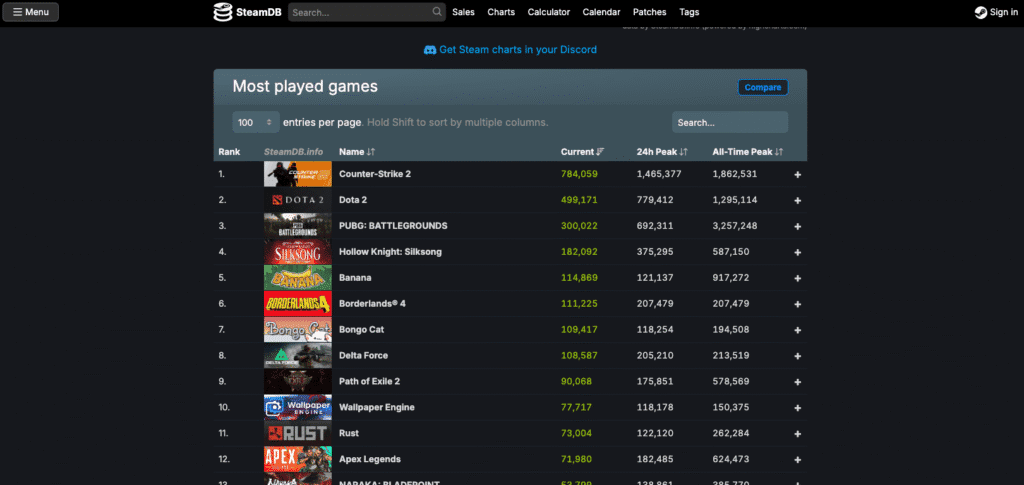
Knowing how to make a good indie game starts with understanding what Steam players really want. I dive into the platform – watching trending games, reading reviews, noticing which genres hold steady attention. Sometimes it’s roguelikes; other times cozy simulations or story-rich adventures. While trends shift, solid gameplay mechanics keep players coming back.
Players crave controls that feel tight and rewarding. Hollow Knight nails this with near-flawless gameplay: smooth controls paired with balanced difficulty. That kind of polish means more than flashy ideas because even the coolest concepts fail if they don’t play right.
Balancing familiar elements like exploration, progression, or crafting with fresh twists sets your game apart among thousands released daily on Steam. Early testing is crucial – real player feedback guides you away from guesswork and prevents issues piling up behind confusing design.
Listening carefully during tests goes beyond soaking in praise; spotting frustrations helps refine gameplay experiences into something players truly cherish – just like Hollow Knight did.
There’s no perfect formula for success here; tons of games flood Steam every day, so marketing matters just as much as quality gameplay. Remember Minecraft started small but hooked players through sheer creativity, while Terraria made waves by mixing classic adventure with sandbox freedom.
Focus on making your game feel great to play and find honest ways to reach your audience through tailored marketing strategies. It won’t be easy – but like those successful releases on Steam you admire, combining smart design with real promotion boosts your chances big time.
How To Describe And Pitch Your Indie Game
Preparing for an indie game Steam release means your game’s description and pitch matter just as much as gameplay quality. Clear, inviting text grabs attention fast. Short, punchy paragraphs that hit the core of what makes your game special keep things friendly and easy to follow.
Screenshots do more than look good – they tell a story about your game’s world or showcase moments players will love. Instead of random scenes, focus on shots highlighting unique mechanics or stunning visuals that make your title stand out among the many games released on Steam daily.
Videos are powerful but must stay tight and engaging. Quick glimpses of gameplay paired with well-timed music spark curiosity without giving everything away – like a movie trailer leaving viewers wanting more.
Sharing what inspired the game adds a personal touch that connects with potential players emotionally. Talking about why certain ideas mattered during development or experiences shaping your world invites players into something meaningful instead of just selling them a product.
Including positive feedback from early testers or community members builds trust quickly. Players rely heavily on opinions from others before buying, so genuine quotes sprinkled in create credibility without sounding salesy.
Effectively pitching your indie title blends honesty with excitement while keeping descriptions digestible and visuals purposeful. Simply listing features won’t cut it – you want visitors to feel drawn into an experience worth their time.
Remember, there’s no perfect formula for success. Think Terraria, Minecraft, Hollow Knight – all had strong gameplay but also smart marketing to rise above tons of daily releases on Steam. Focus on gameplay quality and use these tips to boost visibility because marketing truly shapes whether you make a successful release on Steam.
Build An Indie Game Marketing Funnel That Works
Indie game marketing is all about guiding players from first hearing about your game to becoming loyal fans. It’s not enough to just launch and hope for the best – you need a clear path that turns curiosity into wishlists, then purchases, and keeps players coming back.
Awareness starts everything. Potential players discover your game through teasers, social posts, or events like Steam festivals. Minecraft built early buzz by sharing its unique sandbox concept long before release. Getting eyes on your title means creating sharp visuals and engaging content that grabs attention without overloading.
Next is turning that interest into action – usually getting people to add your game to their Steam wishlist. Wishlists show intent and jumpstart momentum on launch day. Terraria nailed this with trailers showcasing exploration and crafting, convincing viewers the wait would be worth it.
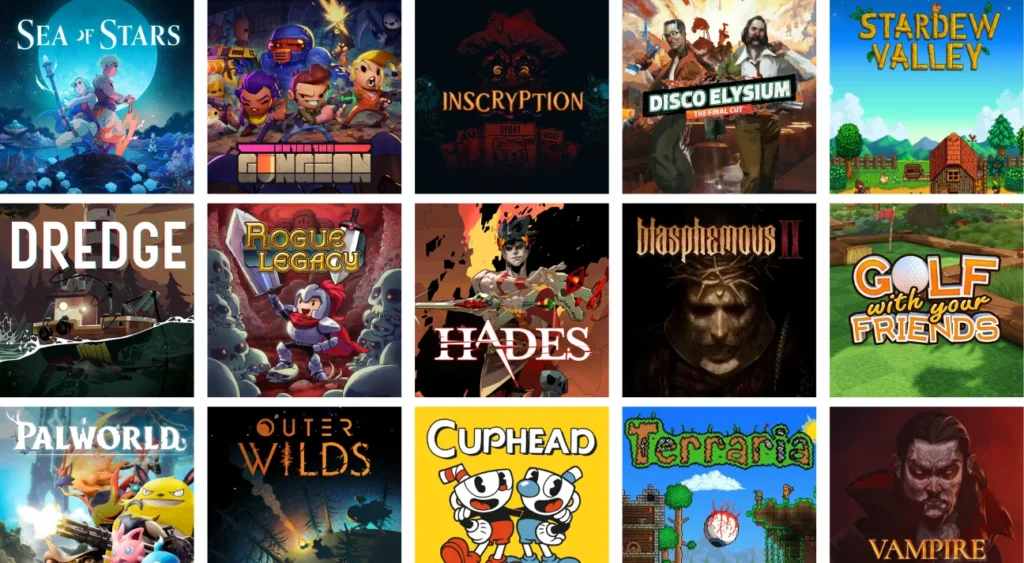
Long-term engagement makes sure players don’t just buy once but stick around for updates, expansions, or community events. Hollow Knight did this well by dropping regular new areas and challenges while building an active fanbase hungry for more.
Pre-launch awareness comes from sharing strong trailers, joining online festivals, and growing a social media presence. To convert interest into wishlists, you need an optimized store page with compelling descriptions and eye-catching images. Keeping engagement high means releasing steady updates and being active in forums or Discord groups.
No perfect formula exists since thousands of games come out daily on Steam, but combining solid gameplay quality with a smart marketing funnel gives indie developers real shots at success.
Solo Developer Tips For Marketing Your Game
Solo game developer marketing is a tough balancing act because you’re handling everything alone. Limited time and resources mean every action has to matter. Instead of trying every channel all at once, focus on creating real connections with your audience. Sharing your development story or daily progress on Twitter or Reddit pulls players into the journey and builds excitement.
The best marketing doesn’t have to cost much. Indie game social groups and Steam communities connect you directly with players interested in what you’re making without spending a dime. Regular updates, honest answers, and behind-the-scenes peeks build trust far better than flashy ads.
Managing your time well is key. Focus on outreach that brings the biggest impact – like teaming up with influencers who get your style or joining online festivals where you can demo live. Skip tasks that don’t bring you closer to potential fans.
Games like Terraria grew slowly through word-of-mouth before becoming huge hits – a reminder that success starts small but needs steady effort from someone passionate, often the solo dev themselves.

While there’s no perfect formula for a successful release on Steam, combining strong gameplay quality with smart marketing efforts increases your chances of standing out among the thousands launched each day.
Networking For Indie Developers
Networking as an indie developer means building real connections that help your game grow and find players. Early on, joining online indie game communities opened unexpected doors. Forums and Discord servers where creators share wins and struggles brought me fresh ideas, honest feedback, and sometimes collaborators who pushed my project forward.
Industry events bring a different vibe. Local meetups, conferences, or Steam festivals let you meet people you’ve only known online. At one event, a chat with a platform rep revealed how Steam features games – nothing like just reading docs. These moments often spark partnerships or early feature opportunities.
Talking with other developers is invaluable for swapping lessons on gameplay design and marketing tricks that really work. Teams behind hits like Terraria and Hollow Knight often credit their networks for refining ideas before release. Being around people who understand what you face during development keeps motivation up when things get tough.
Building relationships also includes influencers, streamers, or small press writers who can boost your game’s visibility in busy places like Steam. I’ve seen solo devs land feature stories by engaging authentically instead of sending generic press emails.
Consistency matters most – many connections won’t pay off right away but nurturing them brings shared knowledge and support over time across the indie ecosystem. Strong networking combined with top-notch gameplay quality and focused marketing gives your indie game the best shot at standing out among thousands launching daily.
Optimize Your Steam Page
Your Steam page is your game’s front door and getting it right makes all the difference between a quick glance and someone actually hitting wishlist or buy. Indie game marketing tips often focus on boosting visibility, but keeping that attention alive means constant optimization.
Testing screenshots isn’t just picking pretty pictures. Swapping shots of different gameplay moments or art styles can reveal what clicks with visitors. For example, intense action scenes might pull in one crowd while calm exploration appeals to another. Keep experimenting until something sticks.
Trailers are powerful but easy to mess up if too long or unfocused. Shorten the length or tweak the opening sequence to hook players faster. The right soundtrack timing adds emotion and keeps viewers hooked longer.
Descriptions need freshening regularly too. As you get feedback and add features, update clearly so newcomers see the latest story. Cut out complex phrases and swap keywords based on analytics showing what people search for most.
Tracking visitor behavior on your Steam page provides gold-mines for smart choices – watch conversion rates from visits to wishlists or purchases over time. If tags aren’t drawing clicks, try ones focused on popular genres or player interests.
Games like Terraria, Minecraft, and Hollow Knight show how quality gameplay coupled with smart marketing drives success – even though every game faces fierce competition alone steam’s huge library daily releases demands standing out aggressively.
Here’s an example of simple A/B tests refining key elements:
- Headlines: “Epic adventure awaits” vs “Explore vast worlds today”: 15% higher wishlists for second.
- Screenshots: Combat scenes vs puzzle-solving moments where puzzles held attention 20% longer.
- Trailer lengths: 90 seconds vs 60 seconds; shorter clips boosted play rate 10% more.
These ongoing tweaks can turn casual browsers into excited players without a perfect formula but with clear steps gained through testing experience.
Get More Indie Game Wishlists Using Festivals And Social Media
Tapping into Steam festivals stands out as one of the best moves for indie game marketing. These events put your game directly in front of players who are already eager for new experiences. When I joined a festival early on, it wasn’t just about showcasing the game but forging genuine connections with players who could spread the word fast. The secret is making your demo shine – smooth gameplay, clear goals, and a memorable hook that sticks after only a few minutes.
Press outreach still packs a punch in this crowded space. Personalized emails to journalists and bloggers focusing on indie games cut through noise better than generic press releases ever will. Sharing why your game matters or what sparked its creation adds real authenticity that captures attention. A solid press kit with sharp screenshots, trailers, and key facts makes media coverage easier without extra work.
Social media goes beyond simple updates – it builds community. Sharing behind-the-scenes peeks or developer thoughts invites players into your world outside the screen. Platforms like Twitter and Discord offer direct chats where you can answer questions or soak up feedback that fires up development while growing buzz naturally.
Streamer partnerships deliver great impact when creators align with your style. Streamers bring personality that connects viewers emotionally to your project instead of just showing gameplay clips. Offering early access or exclusive content gives them unique angles to share, creating genuine excitement among fans itching to be first in line.
All these efforts fuel momentum turning casual curiosity into wishlists – a must before launch day traffic surges hard. Think Terraria’s slow rise powered by word-of-mouth or Minecraft’s grassroots boom driven by player passion. Combining festivals, smart social pushes, media presence, and streamer support multiplies visibility massively without needing any perfect formula.
Manage Your Indie Game Post Launch For Long Term Success
After your indie game release, the real challenge begins. Keeping players hooked means being close to your community and truly listening to them. Feedback reveals where bugs hide, which features shine, or what frustrates players. Responding fast builds trust and drives momentum long past launch day.
Regular updates show you care. They don’t have to be huge – small fixes like balancing changes or quality-of-life improvements keep things fresh without overwhelming you as a solo developer. Hollow Knight kept its fans engaged by slowly adding challenges and new areas, proving steady support pays off.
Promos matter too. Sales or events can bring back old players and grab newcomers who hesitated at full price. Tying these deals to milestones or seasonal themes adds meaning beyond just discounts, reminding people why they fell in love with your game.
Being active on forums, Discord servers, or social channels isn’t just marketing; it’s joining the story your game tells. Sharing sneak peeks of upcoming updates and recognizing player creations tightens bonds and sparks word of mouth naturally.
Your visibility won’t vanish if you nurture it properly. Refresh store page assets based on player feedback or tweak tags regularly so search keeps working for you months later. There’s no perfect recipe – as we see with hits like Terraria, Minecraft, or Steam favorites – but consistent effort combined with solid gameplay ensures your indie title avoids getting lost in Steam’s flood.
Leave a Reply