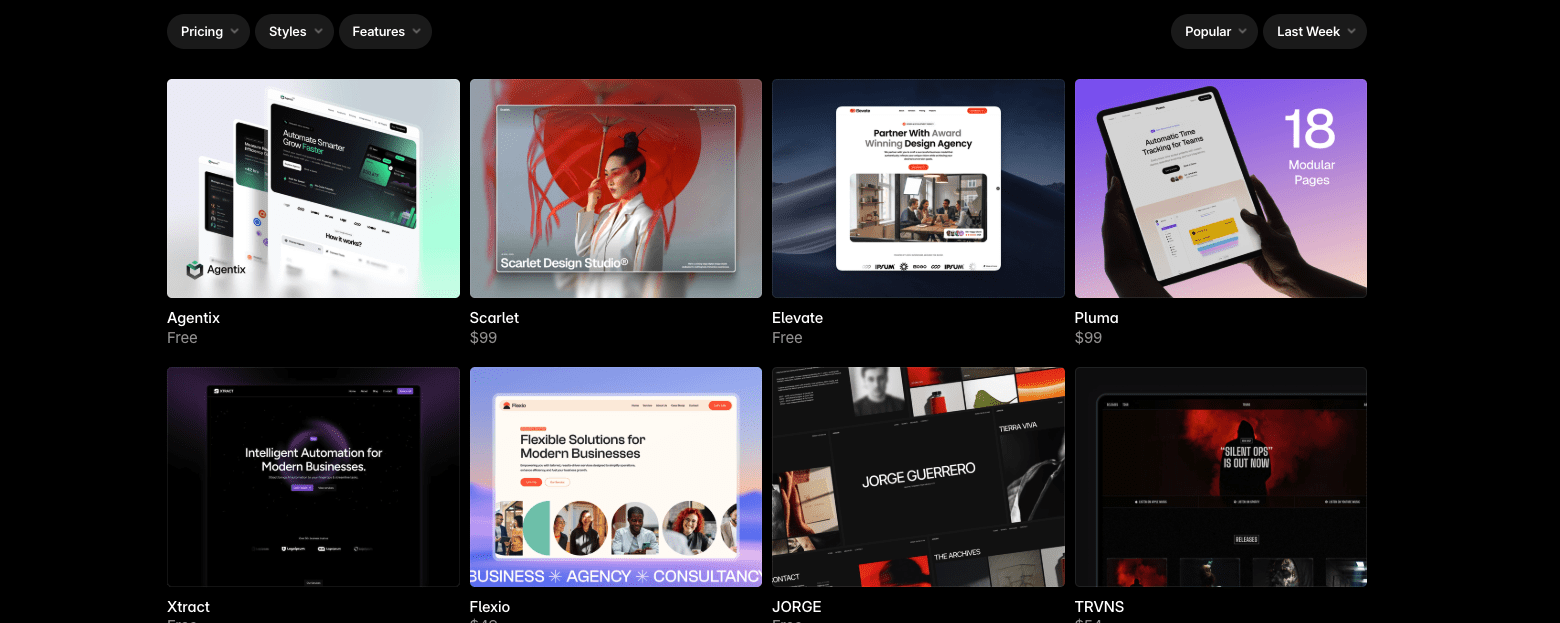
Most Framer templates won’t sell without a plan. Buyers want a clear purpose and a fast setup. Templates built for specific jobs, like an AI SaaS landing page with pricing and a blog, convert two to four times better than generic portfolio themes. People searching on Framer usually want commercial projects. Match those needs in your titles and tags to get noticed.
Speed matters. If someone can turn your template into a working site in about an hour, it tends to pull in more reviews and buzz. Rushing the build won’t get you there. Plan for 40 to 80 hours per template. Research, design, build, write docs, make demos, prep assets, set up the listing, launch, and promote. Skip any of these and you’ll end up with refunds or support headaches.
This article shows practical steps. Pick niches that sell, design templates people can ship right away, structure sections for quick edits, price in a way that doesn’t scare buyers, and promote beyond the marketplace.
On this page
Pick one profitable niche and design for a real use case
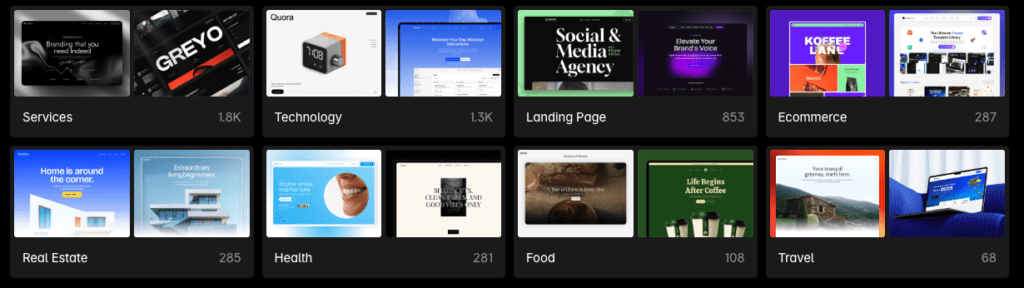
Pick one niche. It sharpens your focus and makes your Framer templates more appealing. When you build for a single market like SaaS or agencies, you design what buyers actually need instead of adding random elements.
Map the key pages and components for your niche. For SaaS or AI startups, plan landing pages with pricing toggles for monthly and annual, feature grids, integrations lists, docs or knowledge bases, blogs, and changelogs. Agencies look for services pages, case studies with clear metrics blocks, team bios, contact forms that act as quote requests, and CMS project showcases.
Gather real examples next. Find 10 – 15 live sites in your niche, check BuiltWith, and scan Twitter or Product Hunt launch threads. Note the repeated patterns you see. Expect trust bars to reassure visitors, GDPR cookie banners on first load, and occasional SOC 2 mentions to reduce risk concerns. Bake these into your template and you’ll address common concerns upfront.
Don’t try to serve every buyer. Depth beats breadth. Pick one ideal customer profile and build deep for them. If you choose “AI writing SaaS,” craft three hero options: one stacked with testimonials and logo walls, one that leads with core features, and one with a short demo GIF in motion. This focused approach outperforms generic catch‑all SaaS templates that spread thin and feel shallow.
Commit to a proof asset before full design. Ship a live demo URL with believable company data and real screenshots instead of lorem ipsum or gray boxes. Buyers want to picture their brand in your template right away.
If you’re a beginner and want to earn from Framer templates as a solo creator, pick a profitable niche early and stick with it long enough to see results.
Getting that niche in front of people is its own problem, and our LaunchPanda review looks at whether directory launches earn the backlinks they promise.
Structure for fast edits with smart CMS and solid performance
Make editing your Framer template painless. Fast changes mean faster sales and fewer refund requests. Buyers want to open the file, spot what to edit, and move on.
Add an edit map inside the project. Treat it like a simple guide that points to the right places. Use one shared style panel for color tokens, type scales, and spacing. Click once, see updates everywhere. Include a components page with clear names and variants like Button/Primary, Secondary, and Ghost. No guessing. Drop a short starter checklist on the canvas with under ten obvious edits. Buyers breeze through setup.
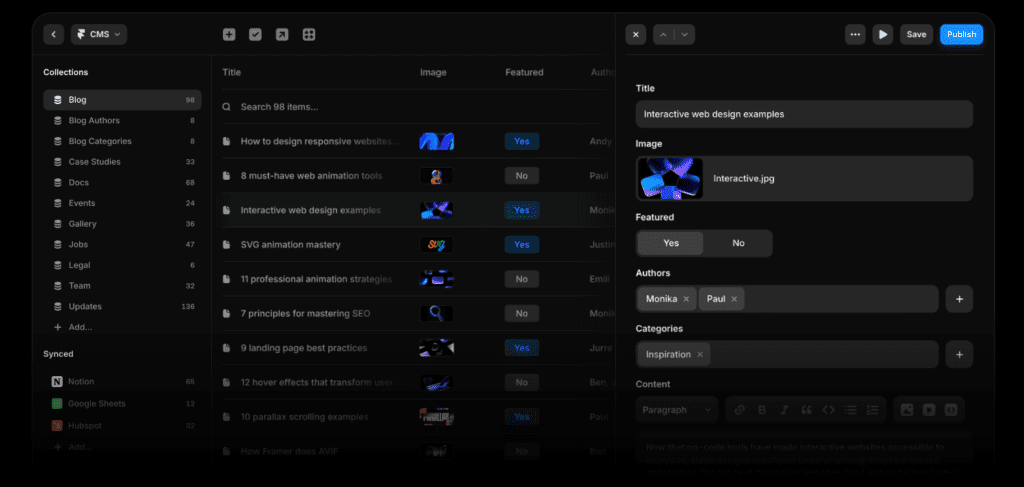
Repeatable content needs structure. Use a CMS collection for case studies, testimonials, or blog posts instead of hardcoding everything. Seed it with 6 – 8 believable sample items so swaps feel natural. Add filters or tags to keep it organized. Provide quick instructions on duplicating and relinking to avoid broken references. This speeds up customization and makes scaling content simple.
Speed shapes first impressions. Keep hero images around 200 – 300 KB to load fast and still look sharp. Lazy-load media below the fold so offscreen assets don’t block rendering. Avoid heavy effects that tank frame rates on phones. Aim for an LCP under 2.5 seconds so the demo feels snappy where most previews happen.
Accessibility prevents support headaches later. Use a logical heading order, H1 then H2, so screen readers track content cleanly. Keep visible focus states on buttons and links for smooth keyboard navigation. Hit a color contrast of at least 4.5:1 for body text so it stays readable in tough lighting. Add a skip-to-content link so users jump past repeated navigation fast.
Templates built this way don’t just look good. They work hard behind the scenes and help buyers succeed, which turns questions into positive reviews.
Price, list, and time your launch to get discovered
Price your Framer templates so buyers at every stage feel confident. Offer a clear ladder, from a free taste to premium depth. Hobbyists, solo creators, and teams know where they fit. Shoppers see value fast and pick a tier without second-guessing.
| Feature | Free | Entry ($29 – $39) | Core ($59 – $79) | Premium ($99 – $149) |
|---|---|---|---|---|
| Sections Included | Limited (basic pages) | Full landing + blog | Extended CMS + variants | Deep CMS, docs, multiple variants |
| Target Buyer | Lead magnet seekers | Solo makers | Most buyers | Niche pros needing depth |
| Support & Updates | Community only | Basic updates | Regular updates | Priority support |
Before you submit to the Framer marketplace, run a thorough preflight check. Use only unique assets with the right licenses. Test responsiveness from 320px phones up to 1440px desktops. Lock in SEO basics with editable title and description tags. Add a live docs URL for quick help. Keep version numbers and changelogs visible for transparency. Reviews usually take a few days, or up to two weeks during busy periods.
Your thumbnail is your storefront window. Make it count. Lead with a crisp headline that states the niche quickly, like “AI SaaS Landing.” Grab an above-the-fold screenshot at a clean 16:9 ratio so it renders sharp across surfaces. Add two or three small proof badges for essentials such as page count, CMS-ready, or dark mode. Pair the listing with a live demo and a short Loom walkthrough to show exactly what buyers get.
Timing matters. Publish early in the week, Monday through Wednesday, aligned to US/EU morning hours. That’s when homepage rotations and social buzz tend to lift new listings. Have posts queued and creator shoutouts ready on the first day to ride the initial wave of attention.
Nail these pieces before launch and you set yourself up for strong discovery in the Framer marketplace and beyond.
Make distribution the plan with channels, affiliates, and extra marketplaces
Getting a Framer template ready is only half the job. If you don’t promote it, it’ll sit while others pass you by. Sales come from visibility. Share where buyers hang out – Twitter/X, design forums, and affiliate networks. Do it with proof, not fluff, and trust builds over time.
Treat distribution like routine work that compounds. Post 5-7 helpful tweets before launch. Short build clips, quick pricing takes, and tiny lessons from your process work well. Pin a launch thread with a clean demo video at the top. Keep it fresh with updates that show real customer sites and small wins. Indie Hackers, r/Entrepreneur, r/Design, and Framer’s Discord respond to specific insights paired with screenshots. No spam. Add context, show the “why,” and take part in replies.
Don’t stick to one marketplace. Gumroad or Lemon Squeezy help you collect emails and sell direct. ThemeForest’s Framer section and niche directories add extra discovery paths. More shelves, more chances to be picked up.
Affiliates move the needle when the offer is clear. Give 20-30% commissions and a cookie window up to 60 days through Lemon Squeezy or Gumroad. Share ready-to-go UTM links, promo images, and short copy so they can start fast. Track every source and double down on partners that convert.
Here’s a tight plan to keep momentum:
- Ship polished templates with demos, docs, and buyer-ready assets
- Announce with value-first posts before launch, then share updates on Twitter/X and the right communities after launch
- Follow up often with customer examples and improvements based on feedback
- Focus on one niche line instead of spreading across many markets
- Run a 30-day sprint of publishing and promotion, track clicks, visits, and conversions
Pick a niche today. Clear focus makes it easier to grow an audience that trusts your work. Start the sprint now. Post, measure, adjust, repeat. Every share creates another path for someone to find the exact Framer template they needed.
Leave a Reply