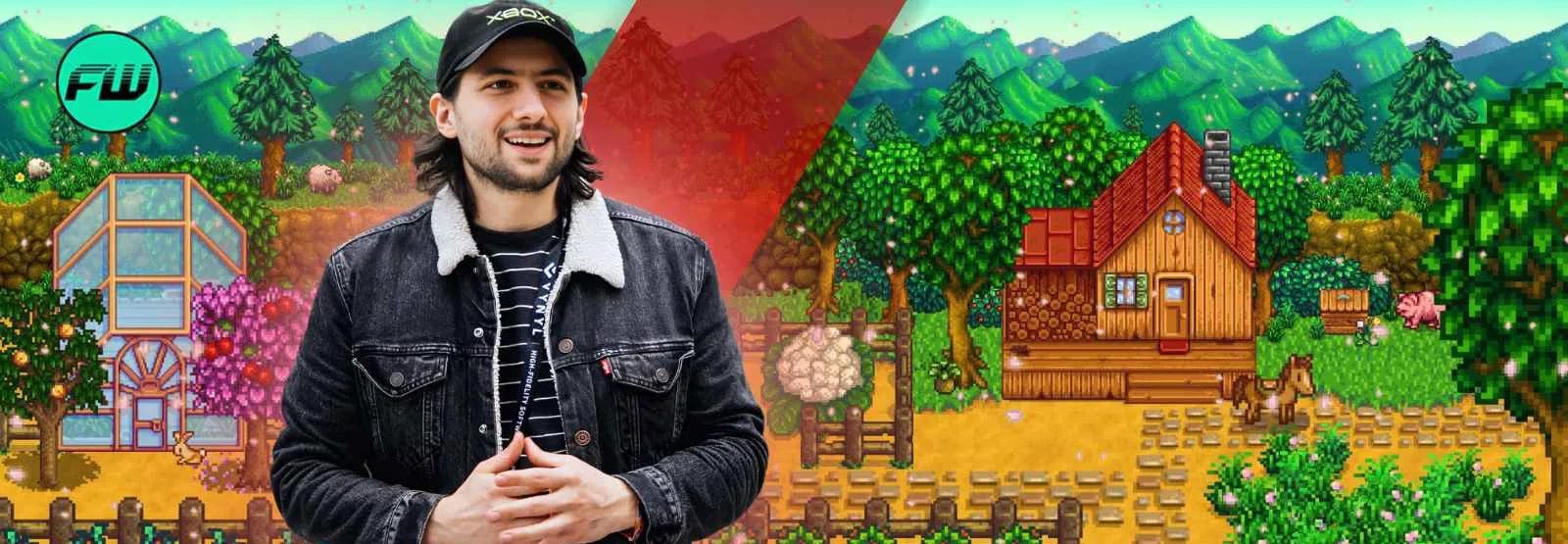
ConcernedApe, aka Eric Barone, turned Stardew Valley into a hit by going into every part of the game. He was the designer, programmer, artist, and composer – making sure the game fully matched his vision. This kind of personal effort built trust because players felt they were getting something truly authentic.
He didn’t rush things either. Spending over four years refining gameplay and fixing bugs showed real dedication. His regular dev updates weren’t just reports; they sparked steady buzz that pulled fans in and made them feel involved. That openness kept early supporters engaged and eager to share the game.
Knowing one person crafted everything gave Stardew Valley charm that studios rarely have. Players connected with a real human behind their favorite farming simulator instead of a faceless company pushing out quick releases. It created loyalty and natural growth over time.
Eric’s careful listening to feedback pushed constant improvements throughout development. The result was how polished Stardew Valley felt when it launched – smooth, fun, and addicting compared to rougher indie titles.
These moves laid solid groundwork – not just crafting an excellent game but growing a tight-knit community even before release.
On this page
- Generating Hype with Pre-Release Buzz and Smart Marketing Tactics
- Blueprint for Indie Game Success: Lessons From Stardew Valley
- YouTube Let’s Play Stardew Valley and Its Viral Growth Impact
- Harvest Moon Alternative: How Stardew Valley Filled the Farming Sim Gap
- Addicting Gameplay Loop and Accessibility in Stardew Valley
- Cozy Games Trend and Stardew Valley’s Market Timing
- Beloved Visuals and Storytelling in Stardew Valley
- Key Indie Dev Lessons: Why Did Stardew Valley Get So Popular
- Frequently asked questions
Generating Hype with Pre-Release Buzz and Smart Marketing Tactics
Eric Barone knew early on that getting people excited before Stardew Valley launched was essential. He didn’t just finish the game quietly; he shared regular updates that felt personal and honest – as if a friend was showing you their passion project.
These genuine progress drops built real anticipation without hype or pressure. Fans followed each tweak and new feature, feeling part of the journey rather than just waiting for another product to drop.
Eric tapped into indie gaming communities with natural conversations instead of bombarding ads everywhere. This helped word spread naturally among players hungry for fresh farming sims after years without a major hit.
The affordable price lowered the entry barrier, making it easy for curious players to take a chance. Once they experienced how fun and immersive the gameplay was, they became unpaid promoters.
By respecting his audience, sharing openly, and delivering quality on time, ConcernedApe created buzz that felt earned and authentic – setting Stardew Valley up for rapid growth right from day one.
Blueprint for Indie Game Success: Lessons From Stardew Valley
Stardew Valley shines not just as a farming sim but for its sharp design choices and deep attention to detail rare in solo projects. Eric Barone focused on polishing features that truly enhanced player experience, avoiding overload while keeping quality high.
This indie game’s success lies in thoughtful simplicity beating complexity when resources are tight. Every mechanic feels deliberate, inviting players to explore at their own pace with no rush or pressure, building lasting engagement.
For fellow indie founders, this story offers clear lessons about balancing ambition with practicality and aiming for polish. Focusing your energy on what delights players creates something memorable without massive teams or big budgets.
Prioritize features adding real value instead of doing everything. Refine core gameplay loops until they’re smooth and addictive. Stay open and honest with your community early and often. Keep pricing accessible to lower barriers and boost word-of-mouth growth. Embrace your unique creative voice – it builds genuine connection with players.

YouTube Let’s Play Stardew Valley and Its Viral Growth Impact
YouTube Let’s Play Stardew Valley videos pushed the game into the spotlight fast. When creators shared their gameplay, viewers got a front-row seat to what made this farming sim so special. These videos showed more than just mechanics – they captured moments of discovery, humor, and community that really hooked people.
Channels like Northernlion and CohhCarnage jumped in early, sparking waves of interest. Their deep dives revealed all the depth and charm beyond simple farming tasks. Watching those playthroughs helped future players picture building their own farm life.
Right after launch, visibility climbed as more YouTubers shared quests, explored features, or just goofed around on pixel farms. This wasn’t a one-time thing; fresh user content kept rolling out for months, fueling conversations everywhere.
This steady flood of content turned Stardew Valley from a cool indie title into an ongoing hit within gaming circles. New streams drew newcomers while veterans exchanged tips and stories through comments or fan forums.
YouTube Let’s Play Stardew Valley videos weren’t just hype builders; they kept momentum alive well past release.
Harvest Moon Alternative: How Stardew Valley Filled the Farming Sim Gap
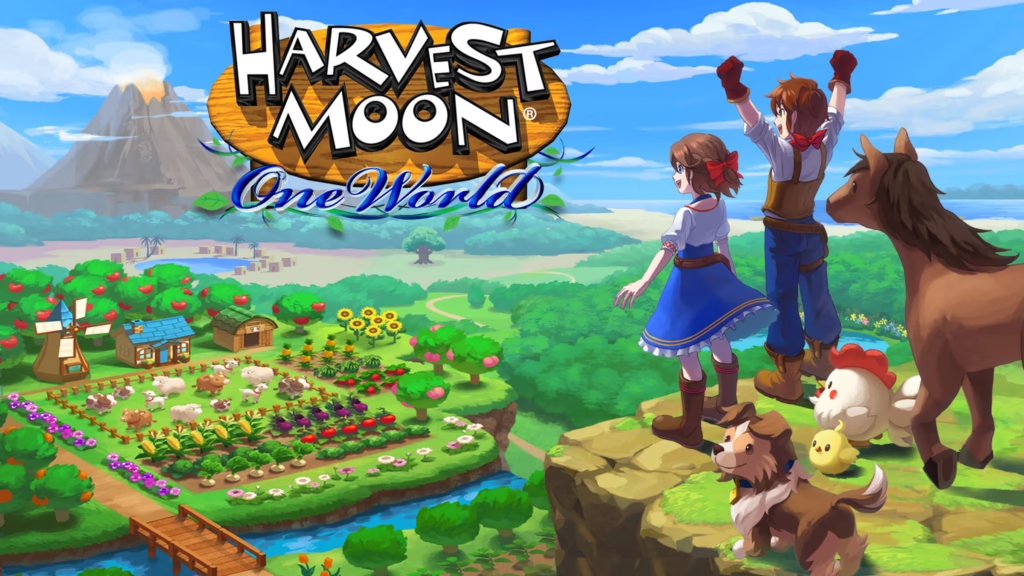
The farming sim genre had a solid following thanks to Harvest Moon, but over time it stopped hitting the mark for many fans. Players wanted something fresh yet familiar – a game with the charm of farm life and more freedom without feeling overwhelming. Stardew Valley stepped in as a true Harvest Moon alternative.
It took what made those old-school games beloved – simple town life, growing crops, raising animals – and added modern twists. Eric Barone’s pixel art echoed classic game nostalgia without feeling stuck in the past. Mines filled with monsters and treasures, crafting beyond just planting seeds, plus relationship-building that gave real meaning to friendships and marriage.
Unlike farming simulator games focused on repetitive tasks or limited choices, Stardew lets you set your own pace. Farm all day if you want; fish or explore mines instead. This flexibility drew longtime fans craving variety and newcomers looking for cozy gameplay without steep learning curves.
Accessibility played a big role too: low price and no pressure deadlines made jumping in easy regardless of skill or schedule. People intimidated by complex sims found Stardew welcoming and rewarding.
By mixing tradition with innovation, Stardew Valley didn’t just join the farming sim world – it refreshed it. It became an approachable yet deep experience loved across generations.
Addicting Gameplay Loop and Accessibility in Stardew Valley
Stardew Valley shines in farming simulator games because it’s simple to pick up without feeling buried in complexity. The controls are clear, so you focus on enjoying the experience instead of fighting clunky commands. This makes it perfect for casual players while giving enough depth for those wanting more.
The game hooks you by mixing chill tasks with real progress. Each day brings easy goals like planting crops or chatting with villagers – calming and rewarding things that still have purpose. Underneath, there’s a bit of challenge too, like managing your time well or exploring mines, keeping things fresh without stress.
This flow between daily chores and adventure builds an addictive cycle where you’re eager to see what unfolds next. Progress isn’t about rushing but steady upgrades – better tools, farm expansions, new friendships – that keep drive alive no matter how you play.
By balancing easy learning with satisfying payoffs, Stardew Valley invites both newbies and longtime fans into a space that’s relaxing yet engaging. It’s effortless to lose hours growing your virtual farm while feeling genuinely hooked.
Cozy Games Trend and Stardew Valley’s Market Timing
Cozy games bring warmth, comfort, and low-pressure fun. They let players slow down and enjoy simple things like farming, crafting, or chatting without the stress of fast-paced action or competition. This kind of game got more popular as people look for relaxing escapes in busy lives or need a mental break from stress.
Stardew Valley hit this vibe just as cozy games were catching on. Its easy pace lets you plant crops one day and explore caves the next with no rush. The pixel art feels nostalgic and handmade, not flashy or overwhelming. Players didn’t just play; they stepped into a calming world where daily tasks mattered but never drained them.
This timing wasn’t random – players wanted something different from blockbusters stuffed with nonstop action or complex systems needing big time commitments upfront. Stardew gave an easy entry to gaming for those craving calm engagement wrapped in familiar yet fresh gameplay.
Community buzz showed this shift well. Forums and social media flooded with fans sharing their farm sunsets and stories about friendships formed in the game’s small town. Many said Stardew helped them unwind after long days or connect socially through shared experiences online.
Stardew Valley’s success pushed cozy games further into view, inspiring other devs to focus on comfort and personal storytelling rather than only challenge or competition. It proved there’s strong appetite for games built around kindness, creativity, and connection – traits that deeply resonate across today’s changing gamer crowd.
Beloved Visuals and Storytelling in Stardew Valley
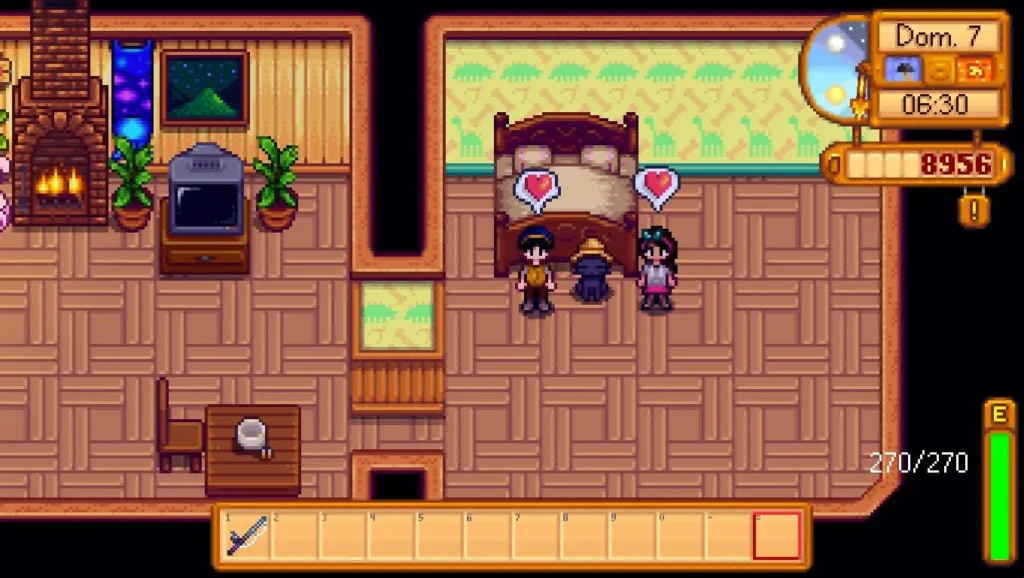
Stardew Valley’s charm comes from its handmade pixel art that feels simple but full of life. This style doesn’t just look nostalgic; it pulls you into a cozy world that’s easy to enjoy and rich with small details. Crops sway gently in the breeze, villagers go about their day – every sprite adds warmth and personality. It’s like stepping inside a storybook where every corner holds something worth exploring.
The visuals team up with storytelling to build real emotional ties. These characters aren’t just names or quest givers – they feel alive because their world reflects who they are. Weather shifts and seasonal colors add layers that make you feel part of a living place instead of watching from the outside.
Beyond farming tasks, heartfelt stories pop up through friendships, marriages, and town events that pull players deeper over time. Moments like helping a shy villager open up or uncovering hidden pasts give meaning beyond chores and stick long after logging off.
This mix creates an inviting vibe where players happily spend hours caring for their farm community. The slow pace lets you take it all in without stress while feeling connected at every turn.
One memorable moment is the Feast of the Winter Star festival – a scene filled with snow-covered streets, twinkling lights, and warm gift exchanges between townsfolk. It’s more than pretty sights; it showcases how Stardew Valley turns simple traditions into touching experiences where players really feel at home.

Key Indie Dev Lessons: Why Did Stardew Valley Get So Popular
Stardew Valley didn’t just come out as another farming game – it felt alive, personal, and inviting. One solo creator poured heart into every pixel, story detail, and line of code. That made the game stand apart in a world full of rushed or cold titles.
Marketing wasn’t about flashy ads. ConcernedApe earned trust by sharing honest progress updates that got players involved from early on – real excitement without overhype. Landing perfectly alongside the cozy games trend and filling the Harvest Moon gap helped Stardew carve its spot fast.
Popularity didn’t stop at launch either. Regular updates showed real dedication to quality and feedback. Players saw their voices mattered; loyalty grew deeper with time.
Here’s what shines from why did Stardew Valley get so popular: Building community early through open conversation creates genuine fans who turn into your best promoters. Keeping things authentic lets passion come through; people connect with real stories rather than sales pitches. Providing ongoing content shows you care long-term, pulling players back again and again.
These aren’t just ideas but practical steps any indie founder should follow to grow trust and momentum naturally. Being transparent while delivering meaningful gameplay turns curiosity into lasting devotion.
Frequently asked questions
Why was Stardew Valley so successful?
Stardew Valley succeeded because Eric Barone built it alone across more than four years, handling design, programming, art and music until the game matched his vision. Honest dev updates gathered a community before release. An affordable price, the cozy games trend and the Harvest Moon gap set it up for growth from day one.
Why is Stardew Valley so famous?
YouTube Let’s Play videos pushed Stardew Valley into the spotlight fast. Channels like Northernlion and CohhCarnage jumped in early, visibility climbed right after launch, and fresh user content kept rolling out for months. Forums and social media filled with fans sharing farm sunsets and stories from the game’s small town.



Leave a Reply