Picking between Fiverr and Upwork feels risky when money’s tight and deadlines are close. A rock-bottom price looks nice at checkout, but costs stack up later. Extra revisions, delays, or a full redo eat time and budget. Both sites have huge user bases, but that matters less than paying a fair rate for solid work and getting results fast.
Founders need reliable output, delivered fast, with no surprise hassles. The cheapest choice at checkout rarely stays cheap once scope creep and cleanup work roll in. The goal isn’t to pick a team yet. It’s to see why low bids often cost more by the end.
Here’s a straight look at Fiverr and Upwork from someone who’s watched where projects go sideways for founders. Learn the traps, skip the waste, and match each job to the right freelancer without blowing the budget.
How matching and pricing models shape project outcomes
Fiverr feels like a storefront. Freelancers list fixed “gigs” with clear packages and set prices. You browse, pick what matches your needs, and pay upfront. It’s simple. There’s less room to tweak once you order, and many sellers work from templates to move fast. If your project needs something unusual, the result might feel generic.
Upwork takes the opposite path. You post a detailed job, set a budget – hourly or fixed – and review proposals from freelancers who pitch themselves. You shape the scope, set milestones, and match the work to your timeline. It takes more time at the start. You’ll review profiles, interview, and compare options before hiring.
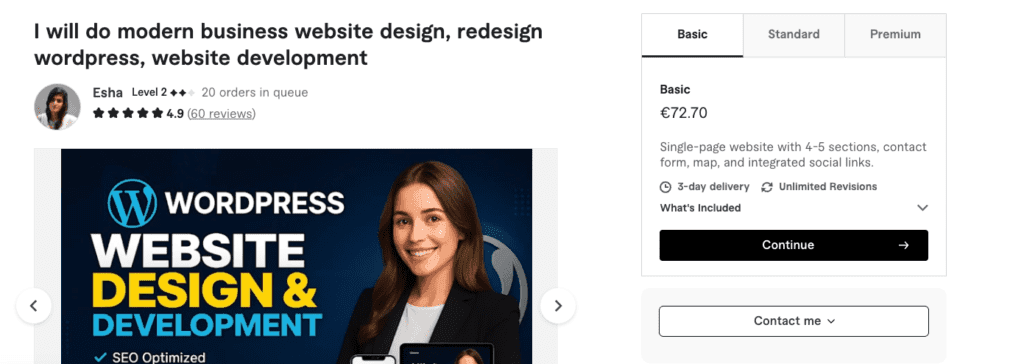
Pricing pushes people to work in different ways. Fiverr’s prepackaged gigs favor speed and volume. Many sellers rely on AI or tight processes to deliver fast, which suits straightforward tasks. Upwork’s hourly and milestone setup supports projects that change as they go, like feature rollouts or multi-channel campaigns with frequent tweaks.
Communication also works differently. On Fiverr, chats live inside the gig thread. That keeps messages tied to the order but feels cramped if the scope grows. Upwork uses fuller project rooms with file sharing, tracked hours, and milestone updates. It fits longer engagements where coordination and accountability matter.
Real cost on a tight budget, from hidden fees to rework
Tight budgets make every dollar count, but the listed price on Fiverr or Upwork rarely reflects the real cost. A deal on the surface often turns into delays, add-on fees, or work that misses the mark.
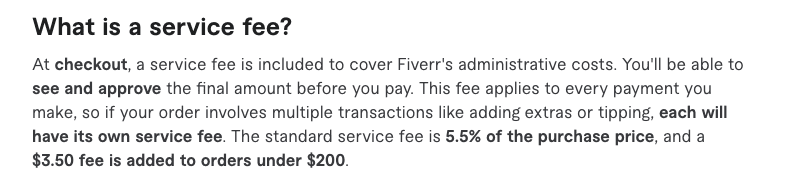
- Rework wastes more than cash. A $75 Fiverr gig looks cheap until two revision rounds eat 2 to 4 hours of your time reviewing, rewriting specs, and chasing fixes. Launches slip, opportunities pass, and the delay costs more than the gig.
- Add-ons stack up fast. Source files, commercial rights, or extra revisions aren’t always included on Fiverr. Those extras add 20% to 80% to the total. Check what’s bundled before you buy to avoid surprise charges.
- Generic output backfires. Many gigs rely on templates or AI outputs that look fine in a portfolio but fall flat with real customers. Expect weak click-through rates, tone mismatches, and even trademark issues that force costly do-overs.
Upwork brings a different set of headaches. Hourly hires take longer than expected to ramp up, or they deliver vague work with fuzzy outcomes. Use small paid test projects capped at 2 to 4 hours. Keep scope tight, define the deliverable in plain terms, and review the result before you commit more budget. It saves money and stress while you confirm fit.
How to verify real talent and avoid resellers on both platforms
Badges on Fiverr and Upwork don’t measure the same things, and they don’t always reflect real skill. Fiverr’s level badges mostly count how many gigs a seller completed and the ratings they got, not verified tests. High-volume sellers often rely on templates or pass work to subcontractors. Recycled mockups across different gigs give it away. Upwork’s Job Success Score and Top Rated status pull in more signals, including client feedback, contract history, and disputes, but profiles still get inflated. Watch for vague portfolios full of stock images or writing samples that don’t fit the claimed native language.
When you’re vetting talent on either platform, use concrete proof:
- Portfolios with real tool stacks, like Figma files that show version history for ongoing work, or GitHub repos with commit timelines showing active coding.
- Client artifacts such as live URLs for shipped sites, or App Store and Google Play links tied to the freelancer’s account.
- Screenshots from dashboards, for example Google Ads MCC with visible spend ranges, to confirm hands-on campaign work.
- Consistency between claims and evidence. If someone says they’re a React expert but only shows generic snippets with no context, be cautious.
Ask for short paid test work to cut through profile fluff. A 60-90 minute task tailored to your stack works well. Examples include implementing a React component with your design tokens or rewriting headlines aimed at improving a real landing page metric. This proves skill, shows communication speed, and highlights how well they grasp your goals.
How to hire on Upwork or Fiverr effectively with a simple process
Pick the platform based on the work, not the hype. Small, well-defined creative tasks – like a podcast cover or a set of ad variations – fit Fiverr’s fixed gigs. Work that shifts as it moves – product UI flows, CRM and email setup, analytics tagging across channels – suits Upwork’s flexible projects.
Write a brief that removes doubt. Spell out success in plain terms, like “Figma-ready components by Friday.” List the tech stack, such as Tailwind CSS or GA4. Share examples you like and dislike. Attach brand assets. Set decision dates. Clarity here slashes revisions and saves time.
Screen smart. Shortlist 3 to 5 candidates. Ask how they’d tackle your task, how long it’ll take, and what the deliverable will look like. Then run a small paid test tailored to the job – a quick React component or a headline rewrite – to see who follows the brief and turns work around fast.
Control costs before work starts. Cap hours or set firm milestones. Require source files and commercial rights in the price. Limit revisions to two structured rounds. After delivery, run a debrief. Log total hours for you and the freelancer, time to first usable draft, and issues found post-launch.
Use this checklist the next time you hire on Upwork or Fiverr. It reduces surprises and improves quality per dollar. Over time you’ll see patterns, match jobs to the right platform faster, and protect both budget and patience.

Leave a Reply