
Most Framer designers don’t stick to one income stream. They mix client projects, templates, and affiliate revenue to smooth out cash flow. Relying only on freelance gigs or only on templates doesn’t hold steady for solo operators who want stability. A common split looks like 60 – 70% from client work that pays upfront, 20 – 30% from templates that compound over time, and a small slice from affiliate links that generate passive income.
Money rarely shows up right away. Client projects often start within a few weeks if warm leads are in place. Templates take more time, usually one to two months of research, building, and polish before sales land. Affiliate income hinges on audience size and engagement – sometimes it starts fast, sometimes it needs months. Many solo Framer pros run 20 – 30 billable hours a week after sales and admin, and they see $3k – $12k monthly across the stack.
This path favors steady growth over quick wins. Portfolios, email lists, template catalogs, and case studies compound and make sales easier later. Designers tilt the mix based on goals – some want faster cash from clients, while others prefer leverage from products or audience first. Buyers tend to be startups, agencies, and indie founders, which shapes pricing and positioning throughout the work.
On this page
- Selling Framer templates, from validation to your first 50 sales
- How to join the Framer affiliate program and earn ethically
- Freelance Framer services, pricing, and time to first client
- Finding work on Contra and through communities with smart outreach
- Comparing templates, affiliates, and client work for effort and risk
- A 30 – 60 day plan to test each monetization path
- Framer monetization strategy for solopreneurs, built to last
Selling Framer templates, from validation to your first 50 sales
Smart market checks come first when selling Framer templates. Scrape categories, watch the top charts for a few weeks, and note price bands, usually $39 to $249. Pull traffic estimates from Similarweb or Ahrefs on demo domains to gauge demand. Build only after real interest shows up.
Niche choice drives results. Target buyers with recurring, urgent needs, like AI tool landing pages, coaching sites, or local services. Stick to one clear call-to-action layout to lift conversions. Fewer choices, tighter focus.
Design scope affects speed. Offer multiple colorways, 3 to 5 hero variations, built-in CMS collections, and tight copy placeholders. Flexible for buyers, still simple to customize. Less friction means faster sales.
Expect 25 to 60 hours per template from start to finish. Include QA across breakpoints, site setting tweaks, accessibility work like color contrast and focus states, and performance passes aimed at Lighthouse scores above 90.
Pricing sets momentum. Start with a short promo window, about a week or ten days, to collect early reviews, then move to the target price. Bundle tutorials or license extensions to lift average order value by 20 to 35%. More value for customers, more revenue per order.
Support needs light, steady effort. Budget one to two hours weekly per active template for install questions and small tweaks. A short getting-started video cuts repeat requests by about half and frees time.
Sales channels include the Framer Marketplace, with built-in demand and fees in the 15 to 30% range, plus self-hosted options like Gumroad or Lemon Squeezy for bundling and email capture. Track UTMs to find the channel driving the most sales, then double down there.
Templates scale well over time because sales continue after launch. Reaching that point needs front-loaded work and brings risk of copycats. Feedback loops move slower than client projects. Pair releases with content on YouTube or Twitter/X to roughly double the pace toward the first 50 sales milestone.
How to join the Framer affiliate program and earn ethically
Getting into the Framer affiliate program starts with a simple application. A basic site or content channel focused on design or web development usually works. Follow disclosure rules like FTC in the US or ASA in the UK. Say when links are affiliate links. Add payout details early to speed approval. Reviews often take a few days when content matches the program.
Commission terms change, so check current rates in the affiliate dashboard before planning revenue. Expect a cookie window that tracks referrals for several days.
Content that drives signups includes comparison posts, template tutorials with embedded links, and teardown videos that show how a template is built. These formats feel helpful, not like pushy ads.
Here’s a simple model for earnings. Picture 1,000 monthly visitors who are interested in web design tools. If 3 – 7% click trial links and 20 – 40 of those upgrade to paid at $30 commission each, revenue lands around $600 – $1,200 per month. Change visitor volume or conversion rates to project different outcomes.
Ethics matter. Place clear disclosures near affiliate links and avoid incentives that violate program terms. Keep screenshots fresh and pricing accurate to prevent refunds.
Email lifts results. Short educational sequences after a useful freebie like a “Framer launch checklist” raise conversions by about 30 – 50%. This warms up readers without hard selling.
Link placement matters. In-article links get two to three times more clicks than sidebars or footers. Put the first link above the fold. Repeat it after key sections, such as comparison tables or tutorial steps.
Evergreen posts pay off. Refresh content every quarter with feature and pricing updates. Steady updates keep commissions coming for one to two years without full rewrites.
Freelance Framer services, pricing, and time to first client
Framer freelance work pays off when offers point to outcomes clients care about: results. Lead with what they get, not features. Pitch clear wins like a conversion-focused landing page in 10 days, and back it up with case studies that show numbers, such as a 25% lift in conversions or cutting time to market by half. Results set expectations and build trust fast.
Packaging services into fixed scopes speeds decisions and delivery. A one-page MVP site priced at $1,500 – $3,500 wraps in a week, which fits startups testing ideas. Multi-page marketing sites take three to four weeks and land between $4,000 and $12,000, depending on depth. Monthly retainers for ongoing updates fall between $750 and $2,000. These steady gigs stabilize cash flow and keep relationships warm.
Scope comes first, or problems show up later. Define who writes copy, confirm assets like logos and brand guidelines, and list required integrations such as forms or analytics. Cap revisions at two rounds to prevent endless tweaks.
The path from discovery call to kickoff depends on lead warmth. Warm intros move fast, with deposits one to two weeks after the first chat. Cold outreach often stretches to four to eight weeks since trust takes longer to form.
Contracts protect against scope creep and late payments.
- Milestones split payments sensibly, often 50% upfront and 50% before launch.
- Kill fees cover early cancellations.
- Clear change-request rates deter constant small edits.
- Intellectual property terms define template reuse rights.
Quality shows beyond visuals. Load speed matters, so aim for Largest Contentful Paint under 2.5 seconds. Meet WCAG AA basics for accessibility. Write clean SEO titles, add Open Graph tags for share previews, and set analytics events so launch day data starts flowing.
Lead sources start close to home. Past clients convert fastest and often return. Founder communities like Product Hunt and Indie Hackers work well, and small startup Slack groups send warm prospects for Framer projects. Targeted posts on LinkedIn or Twitter with before-and-after demos attract buyers who are already looking.
Common pitfalls drain profit. Underpricing cuts margins. Unpaid discovery eats time with no upside. Tiny tweaks pile up and stall progress. Fixed scopes with paid strategy calls set firm boundaries, while weekly demo meetings keep communication clear and projects aligned.
Finding work on Contra and through communities with smart outreach
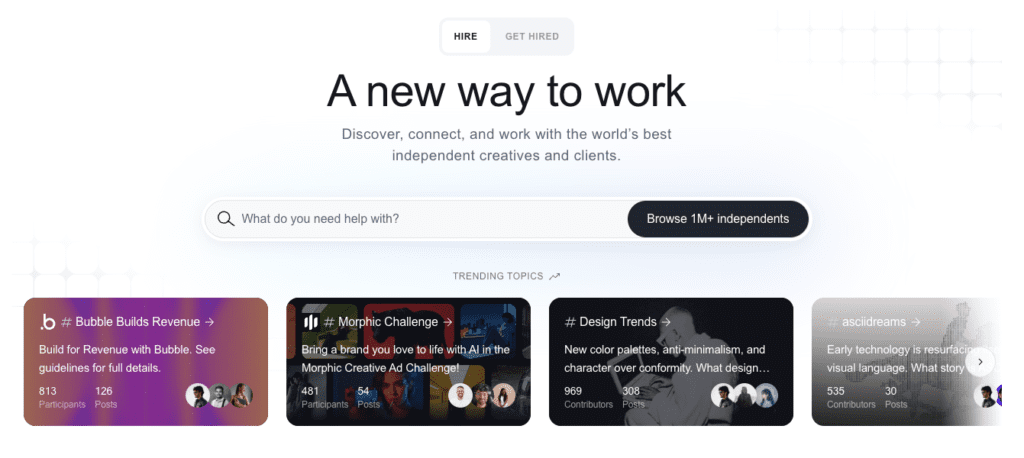
Freelance leads for Framer designers tend to start on platforms like Contra, where a profile acts as the first impression. A tight profile showcases three standout projects with short, 60-90 word stories that highlight measurable results. Clients want speed and impact, so request two testimonials from past clients that mention those outcomes. Skip hourly rates. List a clear starting price per project so prospects grasp scope fast. This transparency also helps the platform surface profiles more since it reduces guesswork.
A strong portfolio pulls weight. Mobile-first demos get attention because most browsing happens on phones. Link to live Framer projects so prospects explore real work, not static screenshots. Add Loom walkthroughs for a guided tour of design choices. Retire anything older than 18 months so visitors only see current, high-quality work.
Cold outreach works better with sharp, focused messages. A 120-180 word micro-audit of their site with three findings and two fast wins shows research without overload and sparks replies. Expect hustle. Landing one project may take 10-20 proposals early on. Save pitch snippets to move faster, and personalize the first paragraph every time because it drives response.
Communities beat big marketplaces for warm leads. Small Slack or Discord groups with founders and designers build trust, so posts get real attention. Weekly teardown posts keep visibility high and provide value without hard selling.
Protect margins by saying no to unpaid spec work. If a platform pushes free trials or sample tasks, offer a low-cost, paid discovery session, $150-$400, credited to the full project if approved.
After a project ships, stick around with a launch support add-on. Bug fixes, analytics checks, and minor tweaks help clients sleep easier and add 10%-20% to project value. It’s smart business and strengthens relationships that drive referrals.
Comparing templates, affiliates, and client work for effort and risk
Choosing between Framer templates, client work, and affiliate marketing comes down to effort now versus effort later. Client projects pay for active time – meetings, revisions, deadlines. Templates need a big upfront push – design, device testing, copy, sales setup, but after launch, they take less day-to-day work. Affiliate income is light if content already exists, but it relies on steady traffic.
First dollars arrive on different timelines. Client gigs often pay fastest with warm leads, sometimes weeks after a discovery call. Affiliates earn quickly with an existing audience that trusts recommendations. Starting cold takes time while trust grows. Templates take longest to break even. Research and production stretch for months before sales show up.
Revenue holds up differently. Templates and affiliate posts stack over time. More products and posts usually mean more income without more daily effort. Client revenue resets each month unless retainers or ongoing contracts smooth it out.
Out-of-pocket costs stay modest across all three. Time is the main expense. A simple stack – domain, email, analytics, and checkout – runs about $100 – $300 if selling direct instead of a marketplace.
Competition hits in different ways. Template markets fill fast, so a clear niche and responsive support help stand out as clones appear. Freelance work favors fast trust and quick delivery when many pitch the same founders and startups. Affiliate results improve with content that goes deep, feels useful, and earns clicks without reading like ads.
Operational risks center on platforms. Marketplace rules or algorithm changes can cut template or affiliate visibility overnight. Collect emails early to keep direct contact with buyers and followers.
Personal fit matters. Introverts who prefer heads-down work often lean toward templates or evergreen content that grows quietly. Extroverts who enjoy calls and fast feedback often prefer client engagements where relationships lead to quicker wins.
| Dimension | Framer Templates | Client Work | Affiliate Marketing |
|---|---|---|---|
| Effort Intensity | High upfront build; low ongoing | High-touch per project | Low build if content exists; needs traffic |
| Speed to Revenue | Slowest (months) | Fastest with network | Variable (fast with audience; slow cold) |
| Revenue Durability | Compounds over time | Resets monthly unless retainer | Depends on algorithm/program stability |
| Capital Needs | Low ($100-$300 mostly tools) | Low (time-heavy) | Very low if repurposing existing content |
| Competition | Saturated niches require differentiation | Trust & speed compete | Depth & helpfulness win |
| Operational Risk | Platform policy shifts impact | Lower risk outside platforms | Algorithm changes affect earnings |
| Personal Fit | Introverted builders | Extroverted communicators | Content creators with audiences |
Sample mixes show common blends:
- Starter: Mostly client work (80%), some content/affiliate side hustle (20%)
- Builder: Balanced split – half client projects (50%), templates at 30%, affiliates at 20%
- Audience-led: Fewer clients (30%), larger template catalog (40%), strong affiliate presence (30%)
A 30 – 60 day plan to test each monetization path
Earning money as a Framer designer feels overwhelming at first, but breaking it into short sprints keeps it clear and manageable. Commit to small goals, test fast, and double down only when results show up.
Line up 10 warm contacts for a client sprint. Ship a one-page offer with clear quick wins, then post twice a week on LinkedIn or X with short demo clips that show real work. This keeps visibility high and builds trust. The target is one paid project in 30 days.
Pick a template niche with proven demand and budget about 40 hours. Build version one with two hero variants to give buyers a clear choice without extra complexity. Record a 6-8 minute setup video to reduce support questions, then launch on the Framer Marketplace and a personal site.
Affiliate work needs content that helps first, sells second. Publish one comparison and one tutorial that focus on real outcomes buyers want. Add an email capture with a three-email mini-course to nurture readers, and place affiliate links near the top and bottom of posts.
Each path uses different metrics. Clients track booked revenue. Templates track units sold and new email signups. Affiliates track clicks, trials, and commissions.
Timebox work to protect energy and momentum. Two focused 90-minute blocks a day go to these sprints. A weekly review shifts time toward what’s moving and away from dead weight.
Think like an asset builder. Turn each sprint into something reusable: a case study from client work, a template ready for updates, or evergreen content that keeps bringing traffic.
Feedback loops drive the next round of improvements. Run five user interviews in the template niche to get buyer insights, plus three calls with founders interested in services to sharpen offers around real pain points.
After 60 days with no traction, don’t walk away immediately. Tweak the niche, adjust the offer, or try new channels. Only then decide whether to keep or cut the path.
Framer monetization strategy for solopreneurs, built to last
Steady income for a Framer designer comes from a mix of revenue streams that support each other over time. Client projects bring cash now, templates sell in the background, and affiliate links tied to helpful content add extra income. Results build month by month, not overnight.
Pick one main focus for the next 60 days, like landing client work or launching a first template. Pair it with one complementary asset such as an email list or evergreen affiliate posts. Set targets this week, track what actually moves the needle, and schedule quarterly reviews to double down on what works and cut what doesn’t. Save buyer emails from every channel to protect against platform changes that could wipe out momentum.
Growth multiplies effort. Turn repeat client patterns into templates with permission, and spin common questions into practical guides with relevant affiliate links. Set aside one or two days each month for upkeep – update templates, refresh content, and check in with past clients for referrals. When support requests per template stay low and conversions hold, increase output. If the client waitlist passes three weeks, expand capacity with care.
Slow and steady beats flashy shortcuts. Honest marketing and clear project scopes build trust. Consistent shipping prevents burnout and creates momentum that lasts quarter after quarter.
For a picture of what the ceiling looks like across all of these routes, we broke down Framer designer salary figures by employment type.

Leave a Reply